 Monday, October 12, 2026
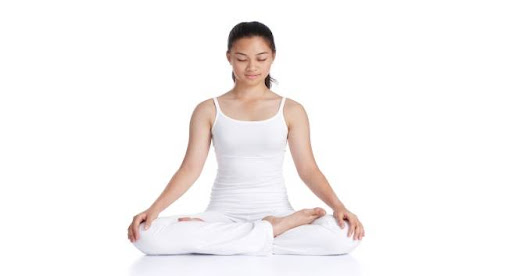
 This asana is also special because it is considered the best to sit in Padmasana posture while doing meditation and pranayama. You must have often seen your yogis sitting in Padmasana posture while meditating. We will know further about the benefits of Padmasana.





What is Padmasana?
Padmasana is a type of sitting yogasana. Padmasana is a combination of two Sanskrit words Padma and Asana. Here the Padma means lotus flower and Asana means sitting posture, thus Padmasana means lotus flower-like posture and that is why it is also called Lotus Pose.
It is believed that by the practice of this asana, the body and mind become clean and beautiful like a lotus flower and all the negativity going on in the mind starts getting removed.
Benefits of Padmasana
The practice of Padmasana is beneficial both physically and mentally. The benefits of Padmasana are as follows.
Increases Muscle Flexibility
The benefits of Padmasana are good for making the muscles flexible and strong. The practice of Padmasana stresses the muscles of the legs, pelvis, hips, abdomen, waist, and neck, due to which these muscles become strong and flexible. It is very important for the muscles to be strong for a fit and healthy body.
Provides peace of mind
Yoga is considered to be the most beneficial for relieving stress and anxiety. People suffering from mental illnesses are often advised to join yoga. There are many such asanas and actions in yoga that relieve stress and provide peace to the mind, Padmasana is also one of these asanas. By the practice of Padmasana, the exhaustion of the body is removed and the mind remains calm.
Negative thoughts go away
Negative thoughts make a person weak and weak. A negative thinking person can never be successful in life. In such a situation, the benefits of Padmasana are very good to remove negativity. To remove negativity, you can meditate by sitting in Padmasana, you can do this at any time in the morning or before sleeping at night.
Insomnia problem is overcome
The benefits of Padmasan are excellent even for those who do not sleep properly. Practicing Padmasana improves the quality of sleep and leads to a good night's sleep. By the way, there are many such asanas in yoga that are helpful in removing the problem of insomnia, of which Padmasana is also one. Good sleep keeps the body away from diseases, reduces stress, and develops energy in the body.
So, incorporate this is your daily life and enjoy a healthy lifestyle.





.jpeg)










.jpg)
.jpg)
.jpg)
.jpg)
.jpg)
.jpg)


.jpg)