 Thursday, October 08, 2026
 If you are recovering from Covid-19, then it is very important for you to consume diet, nutrition and fluids. This infection reduces your appetite as well as damages your test and swallowing ability. Therefore, while returning to normal life after covid-19, you have to keep all these things in mind as well as the need for nutrition.





According to Britain's National Health Service (NHS), if a person is recovering from a covid-19 infection, then he needs more building blocks, such as protein, so that his body can recover. Not only this, vitamins and minerals are also needed to feel completely healthy. During this, you will have a special need for a recovery diet, because it will not only give you back your lost strength but will also help in strengthening the immunity system. So that until you are completely healthy, other infections should stay away from you.
While recovering from Kovid-19, you have to follow the following rules related to nutrition, so that you can return to normal life as soon as possible -
Take Protein
Eating a protein-rich diet will repair damaged body tissue, compensate for muscle loss during illness, and help bring back your immunity. Protein is also considered to be an important source of energy and taking the proper amount of protein will also help you to overcome weakness due to illness. Your food should be rich in protein. This should include pulses, legumes, peanuts, milk, curd, cheese, soy, eggs, fish, and chicken. Your daily protein intake should be between 75-100 grams.
Eat Nutrition Rich Food
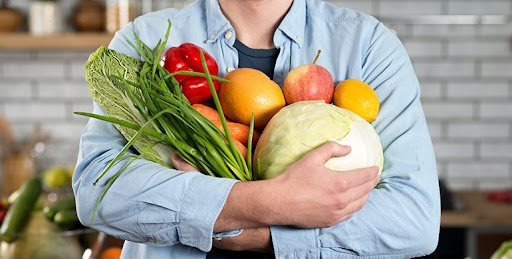
Be it Covid-19 or any other common infection, it weakens your immune system. During this time, your body needs a special recovery diet to meet the deficiency of vitamins, minerals, and antioxidants. Include lots of fresh and seasonal fruits and vegetables in your diet. Along with this, take nuts and seeds in your diet four to five times a day. While this recovery diet will replenish your body with vitamins, minerals, polyphenolic compounds and phytochemicals, you should also take 15-20 minutes of sunlight every day, so that vitamin D deficiency can be met.
Don't Ignore Calories
A low-calorie diet is the best option when you are losing weight, but you need more calories while recovering from COVID-19. The more calories you take, the better you will be able to fight this infection. Keep in mind that when you are taking calorie-rich food, it should contain healthy carbs. During this, you can eat cereals, potatoes, bread, pasta, rice, milk, avocado, jaggery, and roasted gram.
Drink plenty of fluids
Due to infection and fever, there is a lack of fluid in your body. So when you are recovering from COVID-19 you need to take in plenty of fluids so that you can recover as soon as possible. Drink 8-10 glasses of water daily. Apart from this, one can drink soup, broth, herbal tea, decoction, and caffeine-free drinks.
Be Safe
Your test and smell can be affected due to Kovid-19 and because of this, you will not feel like eating food. As you recover from the infection, the test will start returning to your tongue. Because of this, you must be thinking of ordering food from the restaurant of your choice. Keep in mind that your biggest priority at this time should be your safety. So focus on fresh, simple, and home-cooked food.





.jpeg)










.jpg)
.jpg)
.jpg)
.jpg)
.jpg)
.jpg)


.jpg)