UK becomes first country to approve Pfizer-BioNTech Covid-19 vaccine for use


Deprecated: strlen(): Passing null to parameter #1 ($string) of type string is deprecated in /home/medicircle/public_html/script_newsdetails.php on line 75
▴ UK becomes first country to approve Pfizer-BioNTech Covid-19 vaccine for use
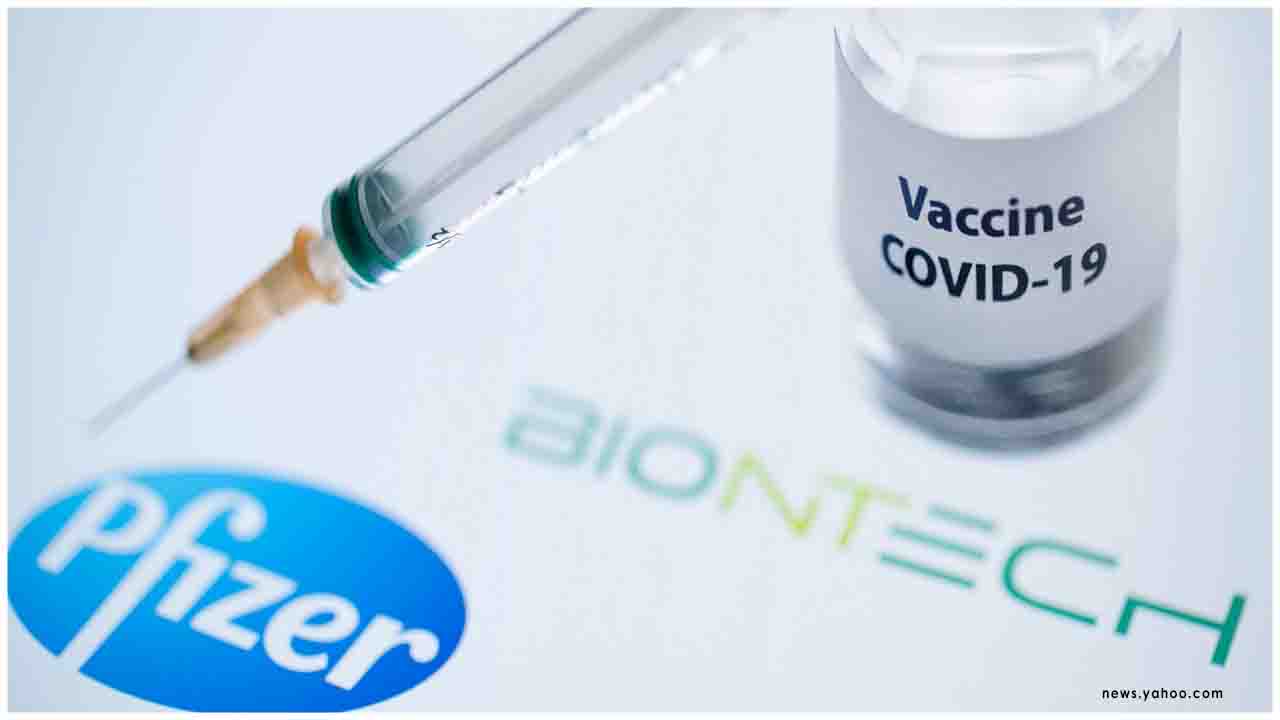
Britain became the first country in the world to approve the Pfizer-BioNTech Covid-19 vaccine today for use and said that it will be rolled out from early next week.


Britain became the first country in the world to approve the Pfizer-BioNTech Covid-19 vaccine today for use and said that it will be rolled out from early next week.

The British regulator Medicines and Healthcare products Regulatory Agency (MHRA) declared that the vaccine offers protection of up to 95 percent and is safe to be used for immunization against Covid-19.
 

According to a media statement, the Government has accepted the recommendation from the Independent Medicines and Healthcare products Regulatory Agency (MHRA) to approve the Pfizer-BioNTechs COVID-19 vaccine for use. The vaccine will be made available across the UK from next week.

 
The American pharmaceutical giant Pfizer and its German partner BioNTech last month concluded a phase 3 study of their mRNA-based Covid-19 vaccine candidate BNT162b2, meeting all primary efficacy endpoints.
 
The UK has ordered up to 40 million doses of the vaccine, which is being organized to vaccinate 20 million people with two shots each. Immunization is expected to start within days and will be delivered to high-priority groups first.

The company expects to produce globally up to 50 million vaccine doses in 2020 and up to 1.3 billion doses by the end of 2021.


Tags : #Pfizer-BioNTech #Covid19Vaccine #MHRA #BioNTech #Pfizer #CovidVaccine #Vaccination #FightAgainstVirus #Britain #BritainGovernment #UnitedKingdom

Related Stories

Loading Please wait...

-Advertisements-


Trending Now

Digital Identity Fraud in Healthcare: What India Must KnowNovember 18, 2026
Wearables in Clinical Care: When Should Doctors Trust the Data?November 18, 2026
Cybersecurity for Medical Startups: What Founders MissNovember 18, 2026
Remote Patient Monitoring: The Next Phase of Virtual CareNovember 18, 2026
Digital Health Wallets: Future of Medical Records in IndiaNovember 17, 2026
How Hospitals Can Prepare for a Transparent Healthcare MarketNovember 17, 2026
Childhood Nutrition: Understanding Micronutrient Gaps Beyond CaloriesNovember 16, 2026
Anaemia in Adolescent Girls: Connecting Prevention, Testing and Nutrition SupportNovember 16, 2026
Health Information Exchanges in India: Are Medical Records Finally Going Portable?November 16, 2026
Hospital Accreditation in 2026: What Is Changing Beyond the Checklist?November 16, 2026
Digital Insurance Platforms and India's Health Coverage FutureNovember 14, 2026
ABDM 2.0: India's Digital Health Ecosystem FutureNovember 14, 2026
Vaccine Cold-Chain Management: Protecting Immunisation Quality From Storage to DeliveryNovember 14, 2026
Foodborne Illness Surveillance: How Public Health Systems Track RisksNovember 14, 2026
Interoperability in Indian Healthcare: Why Patient Data Still StrugglesNovember 13, 2026
Tuberculosis Contact Screening: How Preventive Care Works Around ExposureNovember 13, 2026
COPD Care in India: Linking Diagnosis, Inhaler Education and Follow-UpNovember 13, 2026
Management of ANCA Glomerulonephritis: Induction & Maintenance ProtocolsNovember 12, 2026
Smart Hospital Command Centres Transforming IndiaNovember 12, 2026
Gamma Knife Surgery in India: What You Need to KnowNovember 12, 2026