 Sunday, October 11, 2026
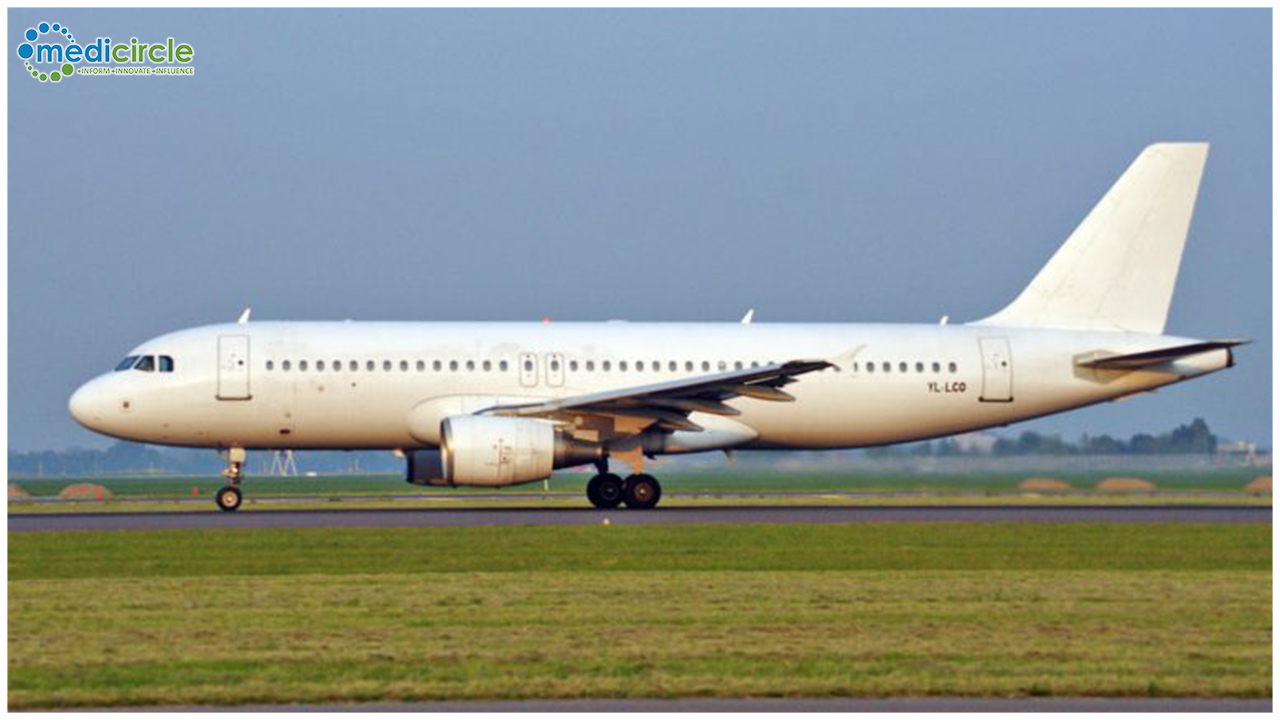
 The International Air Transport Association, IATA, is appealing to governments in Africa and the Middle East, as part of a worldwide campaign, to provide emergency support to airlines as they fight for survival due to the evaporation of air travel demand as a result of the COVID-19 crisis.




The International Air Transport Association, IATA, is appealing to governments in Africa and the Middle East, as part of a worldwide campaign, to provide emergency support to airlines as they fight for survival due to the evaporation of air travel demand as a result of the COVID-19 crisis.
"Stopping the spread of COVID-19 is the top priority of governments. But they must be aware that the public health emergency has now become a catastrophe for economies and for aviation," said Alexandre de Juniac, IATA’s Director-General and CEO.
He went on to note that the scale of the current industry crisis is "much worse and far more widespread" than the September 11 attacks, SARS, or the 2008 Global Financial Crisis.
"Airlines are fighting for survival," stressed de Juniac. "Many routes have been suspended in Africa and Middle East and airlines have seen demand fall by as much as 60 percent on remaining ones. Millions of jobs are at stake. Airlines need urgent government action if they are to emerge from this in a fit state to help the world recover, once COVID-19 is beaten."
Extensive cost cutting measures are being implemented by the region’s carriers to mitigate the financial impact of COVID-19.
However, due to flight bans as well as international and regional travel restrictions, airlines’ revenues are plummeting, outstripping the scope of even the most drastic cost containment measures, an IATA statement noted.
It added, "With average cash reserves of approximately two months in the region, airlines are facing a liquidity and existential crisis. Support measures are urgently needed."
On a global basis, IATA estimates that emergency aid of up to US$200 billion is required.
IATA has proposed a number of options for governments to consider, including the provision of direct financial support to passenger and cargo carriers to compensate for reduced revenues and liquidity attributable to travel restrictions imposed as a result of COVID-19.
Commenting on the situation, Muhammad Al Bakri, IATA Regional Vice President Africa, Middle East, said that several governments - UAE, Saudi Arabia, Egypt, Nigeria and Mauritius to name a few - have already committed national aid for COVID-19.
"Our ask," he added, "is that airlines, which are essential to all modern economies, are given urgent consideration."
Al Bakri explained that this will help keep airlines alive and ensure airline staff – and people working in allied sectors - have jobs to come back to at the end of the crisis. "It will enable global supply chains to continue functioning and provide the connectivity that tourism and trade will depend on if they are to contribute to rapid post-pandemic economic growth."
Africa’s air transport industry’s economic contribution is estimated at US$55.8 billion supporting 6.2 million jobs and contributing 2.6 percent to GDP. In the Middle East air transport’s economic contribution is estimated at US$130 billion supporting 2.4 million jobs and contributing 4.4 percent to GDP.
WAM/Nour Salman/Esraa Ismail






.jpeg)










.jpg)
.jpg)
.jpg)
.jpg)
.jpg)
.jpg)


.jpg)