 Thursday, October 08, 2026
 Results from CheckMate -9ER recently presented during a Presidential Symposium at the European Society for Medical Oncology Virtual Congress




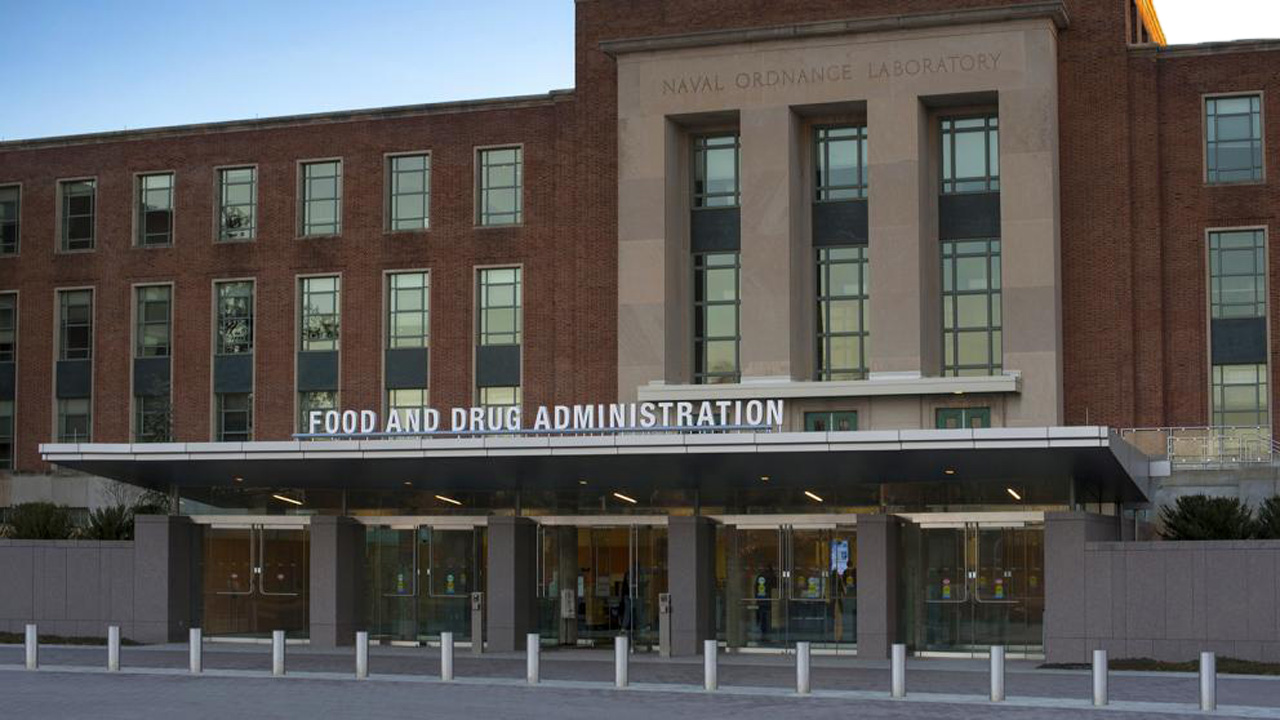
Bristol Myers Squibb and Exelisis, Inc. today announced that the U.S. Food and Drug Administration (FDA) has accepted the supplemental Biologics License Application (sBLA) and supplemental New Drug Application (sNDA), respectively, for OPDIVO (nivolumab) in combination with CABOMETYX (cabozantinib) for patients with advanced renal cell carcinoma (RCC). The FDA granted Priority Review to both applications and assigned a Prescription Drug User Fee Act (PDUFA) goal date, or target action date, of February 20, 2021.
These filings were based on results from the Phase 3 CheckMate -9ER trial, which evaluated OPDIVO in combination with CABOMETYX in patients with previously untreated advanced RCC versus sunitinib. In CheckMate -9ER, OPDIVO in combination with CABOMETYX demonstrated significant improvements across all efficacy endpoints, including overall survival (OS), progression-free survival (PFS) and objective response rate (ORR), versus the comparator, sunitinib.
“We have witnessed practice-changing advancements in the treatment of renal cell carcinoma in recent years, but we recognize the importance of providing patients and physicians with additional options that can help them take control of the disease,” said Mark Rutstein, vice president, development program lead, OPDIVO, Bristol Myers Squibb. “In the CheckMate -9ER trial, combining OPDIVO and CABOMETYX, two proven agents with strong clinical legacies in advanced renal cell carcinoma, led to superior efficacy across all endpoints. We look forward to working with the FDA to bring this potential treatment option to physicians and their patients who choose an immunotherapy plus tyrosine kinase inhibitor regimen.”
“With their complementary mechanisms of action and evidence that CABOMETYX may promote a more immune-permissive environment, we believe there is opportunity for additive or synergistic effects with this potential combination regimen,” said Gisela Schwab, M.D., president, product development and medical affairs and chief medical officer, Exelixis. “Based on strong supporting data from CheckMate -9ER, the acceptance of our application is important progress in our efforts to make CABOMETYX in combination with OPDIVO available to patients with advanced kidney cancer who need additional treatment options. We look forward to working with the FDA throughout the ongoing review process.”
The combination of OPDIVO plus CABOMETYX was well tolerated, with a low rate of treatment-related discontinuations, and reflected the known safety profiles of the immunotherapy and tyrosine kinase inhibitor components in patients with previously untreated advanced RCC. In addition, patient-reported outcomes data from CheckMate -9ER showed that OPDIVO in combination with CABOMETYX was associated with statistically significant improvements in health-related quality of life at most time points versus sunitinib.
Bristol Myers Squibb and Exelixis thank the patients and investigators who were involved in the CheckMate -9ER clinical trial.





.jpeg)








.jpg)
.jpg)
.jpg)
.jpg)
.jpg)
.jpg)


.jpg)
.jpg)
.jpg)