 Thursday, October 08, 2026
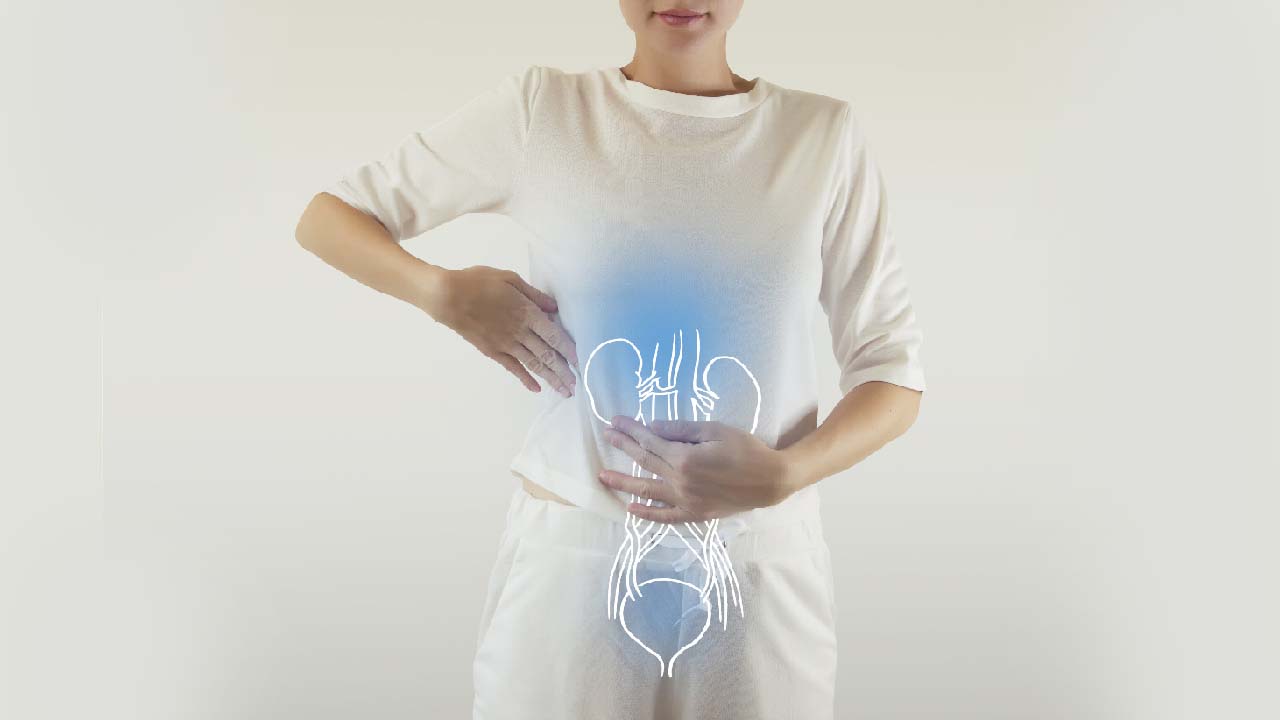
 All of us suffer from urinary tract infections (UTI) at some point in our lives. It can end up in severe complications if not treated or managed well. You can minimize the risk of contracting it by adopting some simple precautionary measures.





All of us suffer from urinary tract infections (UTI) at some point in our lives. You can minimize the risk of contracting it by adopting some simple precautionary measures.
Maintain hygiene with sexual habits – UTI is bacterial growth in the urinary tract that further causes infection. The infection can transmit from one partner to another or from one part of the genital area to another.
Be sure to wash your genitals or take shower or wash your hands with a mild cleanser before you do any kind of sexual activity. Urinating directly after sex washes off the bacteria that may have collected during intercourse. Rinse it thoroughly after urinating too.
Family planning method – Males can wear condoms to protect themselves from spermicides. You may switch your birth control method. Women can introduce IUD devices that prevent them from building up the nourishing lining that a fertilized egg needs for implantation and growth. It comes with contraceptive hormones and hormone-free versions. An IUD can stay in place for years without needing to be changed. An IUD is a reversible type of birth control, so whenever you want to be pregnant, you simply ask your doctor to remove it.
Hormonal contraception comes in the form of pills, injections, pellets, and vaginal rings.
Your basic hygiene habits – Holding urine for too long is not good. Urinate whenever you feel full or your bladder is full. Also, make sure to empty it completely. Women should only wipe from front to back after urination. Wiping back to front risks transferring bacteria from your anus to your vagina and urinary tract. At the time of menstruating, change your menstrual pad every few hours. Bacteria from menstrual blood proliferate on the pad. Changing the pad frequently prevents them from overgrowing and moving into your urinary tract.
Consider drinking enough water – Water hydrates your body fully, every cell of your body. Drinking adequate water flushes out the urinary tract so bacteria don’t get a chance to flourish. UTI can affect any part of the urinary tract be it bladder (stores urine), urethra (urine passes through this tube), ureters or kidney (produces urine).
You need to drink 8-10 glasses of water. If you are physically active, drink more water. Drink enough water when you are thirsty. Thirst resembles that your body is dehydrated. Restrict bladder irritating beverages like alcohol, coffee and certain juices.
If you see any of the symptoms of UTI or changes in your urinary tract, do consult the doctor for further diagnosis. Don’t delay the problem.
(Disclaimer: The content on this site is for informational purposes only, and should not be taken as professional medical advice. Always seek the guidance of your doctor or other health professionals for any questions you may have regarding your health or a medical condition.)





.jpeg)








.jpg)
.jpg)
.jpg)
.jpg)
.jpg)
.jpg)


.jpg)
.jpg)
.jpg)