 Thursday, October 08, 2026
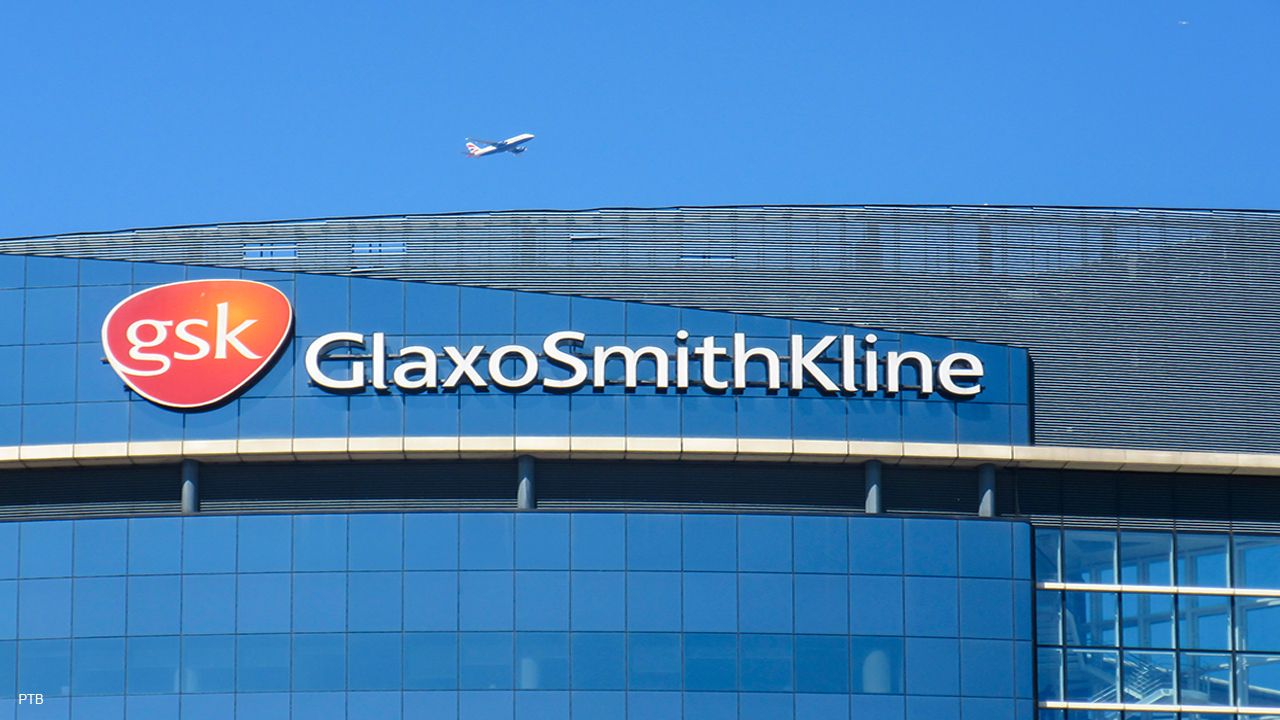
 Vir Biotechnology, Inc. and GlaxoSmithKline plc today announced an agreement with the U.K.-based AGILE initiative to evaluate VIR-7832 in patients with mild to moderate COVID-19 in Phase 1b/2a clinical trial




Vir Biotechnology, Inc. and GlaxoSmithKline plc today announced an agreement with the U.K.-based AGILE initiative to evaluate VIR-7832 in patients with mild to moderate COVID-19 in Phase 1b/2a clinical trial. VIR-7832 is a neutralizing COVID-19 antibody that preclinical data suggests has two distinguishing properties: an enhanced ability to clear infected cells and the potential to enhance virus-specific T cell function, which could help treat and/or prevent COVID-19 infection.
The AGILE trial platform, which will be the first to test VIR-7832 in humans, uses adaptable protocols and statistical models to enable the evaluation of candidate medicines for COVID-19 treatment. The initiative is a collaboration between the University of Liverpool, Liverpool School of Tropical Medicine, Liverpool University Hospitals NHS Foundation Trust, University of Southampton and Lancaster University and coordinated by the National Institute for Health Research Southampton Clinical Trials Unit across the UK Clinical Research Facility Network. The trial is due to begin in the first quarter of 2021.
George Scangos, Ph.D., Chief Executive Officer of Vir, said: “We are pleased to have the support of the NHS behind our efforts to evaluate and advance VIR-7832 for the treatment and potential prevention of COVID-19. This study will be critical to our efforts as we work to understand whether the modifications we have made to this monoclonal antibody increase its potency and stimulate a T cell response to not only provide therapeutic benefits but also potentially confer a vaccine-like effect that could be applicable to prophylaxis.”
Dr. Hal Barron, Chief Scientific Officer and President R&D, GSK, said: “While vaccine development has been very successful, current infection and hospitalization rates show that multiple vaccines and therapeutic options will be needed to combat and ultimately end this pandemic. We are grateful to everyone involved in the AGILE study for supporting this important research and expect initial results from the study to provide important insights into the use of VIR-7832 early in the course of infection with SARS-CoV-2.”
VIR-7832 is set to become the second monoclonal antibody from the Vir-GSK collaboration to be investigated as a potential COVID-19 treatment. The first antibody, VIR-7831, is currently being investigated in two global phase 3 studies; for the early treatment of COVID-19 in patients who are at high risk of hospitalization, and for the treatment of hospitalized patients with COVID-19.





.jpeg)










.jpg)
.jpg)
.jpg)
.jpg)
.jpg)
.jpg)


.jpg)