 Thursday, October 08, 2026
 Sustainable financing is crucial for the WHO to effectively carry out its mandate, which includes responding to health emergencies, providing essential health services, and supporting countries in their efforts to achieve health-related SDGs.




The World Health Organization (WHO) has embarked on a significant new fundraising initiative, launching an 'Investment Round' aimed at raising $7 billion. This effort was unveiled at the start of the 77th World Health Assembly, held at the WHO headquarters in Geneva, bringing together representatives from its 194 member states.
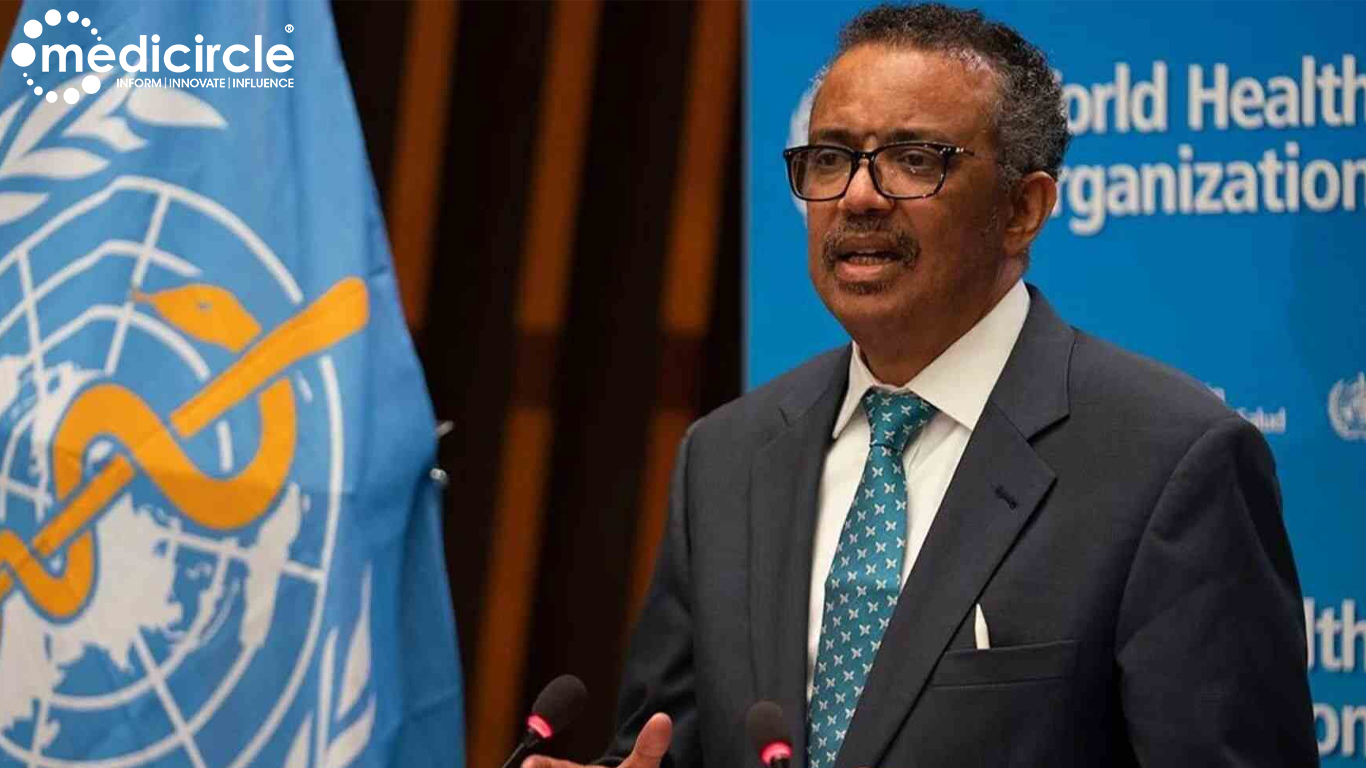
At a recent media briefing, WHO Director-General Tedros Adhanom Ghebreyesus emphasized the importance of the 'Investment Round.' He explained that the goal is to make the WHO’s funding more predictable, flexible, and sustainable. "Our new Investment Case outlines why and how supporting WHO is essential for progress in global health and saving millions of lives," Tedros said.
The WHO relies heavily on voluntary contributions, which make up the majority of its funding. The 'Investment Round' seeks to stabilize these contributions to ensure the organization can effectively manage global health initiatives.
The 77th World Health Assembly, running from May 27 to June 1, is centered around the theme “All for Health, Health for All.” This theme highlights the WHO's mission to ensure that health and well-being are accessible to everyone, everywhere.
The 'Investment Round' initiative has garnered significant support from various countries and organizations. Brazil, currently holding the G20 presidency, has committed to hosting high-level events to promote the Investment Round and encourage other nations to participate.
Qatar's Minister of Health, Dr. Hanan Mohamed Al Kuwari, announced a substantial contribution of $4 million in fully flexible funds. Dr. Al Kuwari highlighted the importance of continued investment in the WHO, stating, "Health care is a fundamental human right, and we must continue to invest in the World Health Organization to safeguard our health. Unity is the key to our success."
Additionally, France, Germany, and Norway have pledged their support by agreeing to co-host the Investment Round, further emphasizing the global commitment to this initiative.
During the Assembly, the WHO is also set to launch a new global health strategy, developed in collaboration with member states and partners. This strategy aims to accelerate progress toward achieving the Sustainable Development Goals (SDGs). The new strategy is a comprehensive plan to address various global health challenges, from infectious diseases to non-communicable diseases, and from emergency response to health system strengthening.
The 'Investment Round' is a result of the WHO Working Group on Sustainable Financing's recommendations, which were approved at the 154th Meeting of the WHO Executive Board in January 2024. Sustainable financing is crucial for the WHO to effectively carry out its mandate, which includes responding to health emergencies, providing essential health services, and supporting countries in their efforts to achieve health-related SDGs.
Supporting the WHO is critical for several reasons:
1. Global Health Security: The WHO plays a pivotal role in managing and responding to health emergencies, such as pandemics, epidemics, and natural disasters. Predictable funding ensures that the organization can respond swiftly and effectively to health crises.
2. Universal Health Coverage: The WHO is at the forefront of efforts to achieve universal health coverage, ensuring that everyone, everywhere, has access to quality health services without suffering financial hardship.
3. Health Equity: By supporting the WHO, countries can work together to reduce health inequalities and ensure that vulnerable populations receive the care they need.
4. Research and Innovation: The WHO drives global health research and innovation, promoting the development of new treatments, vaccines, and health technologies.
The broad support for the 'Investment Round' reflects a global commitment to improving health for all. Countries and organizations recognize that investing in the WHO is an investment in a healthier, more equitable world. The funds raised through this initiative will enable the WHO to continue its critical work, from combating infectious diseases to addressing non-communicable diseases, improving maternal and child health, and strengthening health systems worldwide.
With several nations already pledging their support, the WHO hopes to encourage more countries and organizations to contribute to the 'Investment Round.' The involvement of France, Germany, and Norway as co-hosts is expected to inspire other nations to join this crucial initiative.
The World Health Assembly serves as the decision-making body of the WHO, with delegations from all member states participating. It provides a platform for countries to discuss and make decisions on global health issues, set priorities, and establish policies. The 77th Assembly's theme, “All for Health, Health for All,” highlights the collective effort needed to ensure health equity and universal health coverage.
As the world faces ongoing and emerging health challenges, the WHO's role remains vital. The success of the 'Investment Round' will significantly impact the organization's ability to fulfill its mission. By securing sustainable funding, the WHO can continue to lead global health efforts, support countries in achieving health goals, and ultimately save millions of lives.
The launch of the $7 billion 'Investment Round' at the 77th World Health Assembly marks a pivotal moment in global health. With strong support from member states and organizations, the WHO is poised to enhance its efforts to promote health and well-being worldwide. As nations come together under the theme “All for Health, Health for All,” the commitment to sustainable financing underscores a shared vision for a healthier future for all.





.jpeg)










.jpg)
.jpg)
.jpg)
.jpg)
.jpg)
.jpg)


.jpg)