 Friday, November 20, 2026
 WindMIL Therapeutics and Stephenson Cancer Center announce collaboration to collect bone marrow from patients with renal and urothelial carcinomas





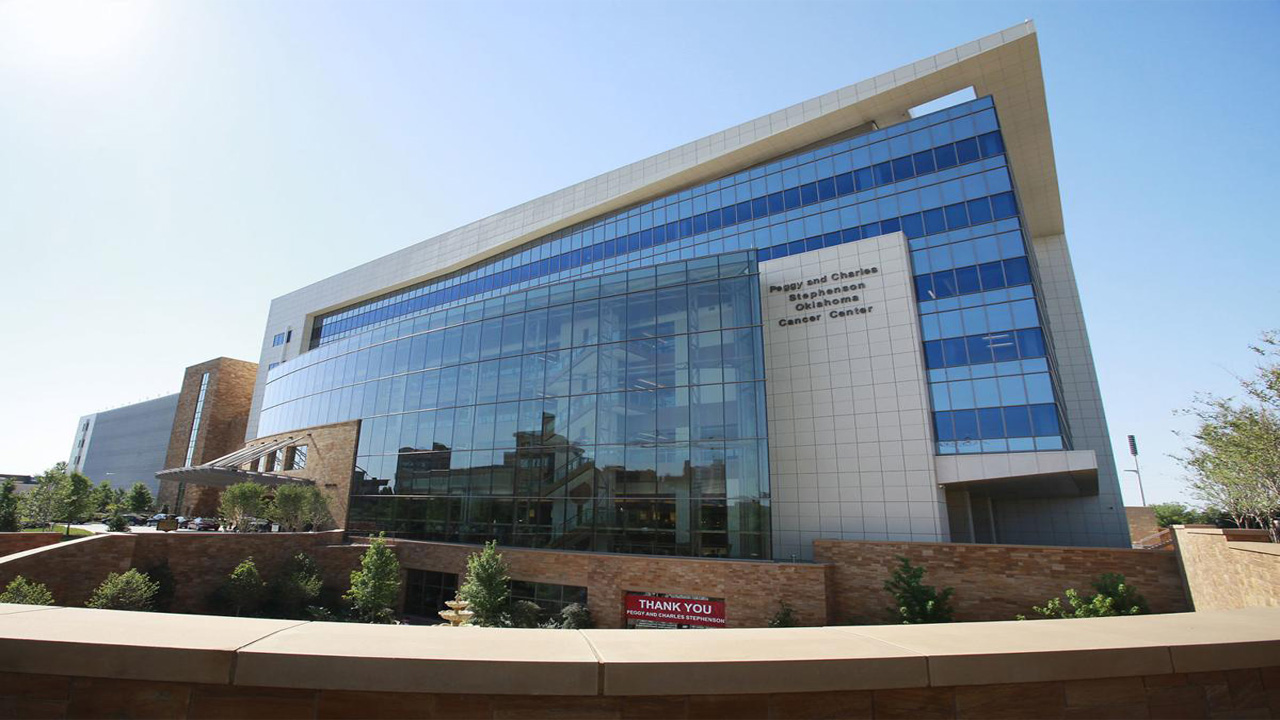
WindMIL Therapeutics and Stephenson Cancer Center announced that the first patients have been identified in an investigator-sponsored study for the collection of bone marrow from patients with renal (RCC) and urothelial carcinomas (UC). The study will evaluate generating marrow infiltrating lymphocytes (MILs) for these patients through WindMIL’s proprietary cellular activation and expansion process. The study is being conducted at Stephenson Cancer Center at OU Medicine in Oklahoma City, OK.
“While treatment options for RCC and UC have expanded, there still remains a great need for these patients,” said Abhishek Tripathi, MD, a genitourinary medical oncologist and Assistant Professor at Stephenson Cancer Center at OU Medicine. “We’re excited to work with WindMIL to explore the potential of MILs to treat patients with advanced kidney and bladder cancer as we seek safer, more effective ways to address these diseases.”
An estimated 65,000 new cases of RCC and 81,400 new cases of UC are diagnosed in the United States each year. Adoptive immunotherapy is a promising approach for RCC and UC and the use of MILs, a cell therapy that is naturally tumour-specific, is one such treatment option.
The bone marrow is a unique niche in the immune system to which antigen-experienced memory T cells traffic and are then maintained. WindMIL has developed a proprietary process to activate, transform and expand these memory T cells into MILs. Because memory T cells in bone marrow occur as a result of the immune system’s recognition of tumour antigens, MILs are specifically suited for adoptive cellular immunotherapy and directly eradicate or facilitate the eradication of each patient’s unique cancer. WindMIL is currently studying the use of MILs to treat patients with non-small cell lung cancer (NSCLC), squamous cell carcinoma of the head and neck, breast cancer, glioblastoma, and plans to expand into other solid tumours.
“We are proud to be collaborating with Stephenson Cancer Center to learn more about MILs as a potential therapy for patients with RCC and UC,” said Monil Shah, PharmD, MBA, Chief Development Officer at WindMIL. “This is an important milestone in WindMIL’s ongoing plan to evaluate MILs in solid tumours beyond NSCLC.”
Marrow-infiltrating lymphocytes (MILs) are developed through a proprietary process to activate, transform and expand T cells found in each patient’s bone marrow. Distinguishing features of bone marrow T cells include their memory phenotype, inherent tumour antigen-specificity, higher CD8: CD4 ratio and ability to persist long term when compared to peripheral blood lymphocytes. Because memory T cells in bone marrow occur as a result of the immune system’s recognition of tumour antigens, MILs are specifically suited for adoptive cellular immunotherapy and directly eradicate or facilitate the eradication of each patient’s unique cancer. MILs are being investigated in clinical studies as ‘non-gene-modified’ therapeutics and are under development as an alternative and potentially superior cell source to peripheral blood T cells for CAR-T therapy (CAR-MILs). WindMIL believes that the unique aspects of the respective profiles of MILs and CAR-MILs position them in distinct areas of the oncology treatment landscape. WindMIL is currently studying the use of MILs to treat patients with non-small cell lung cancer, squamous cell carcinoma of the head and neck, breast cancer, glioblastoma, renal cell carcinoma, urothelial carcinoma, and plans to expand into other solid tumours. To date, more than 100 patients have received treatment with MILs and ongoing studies continue to build upon the favourable safety profile and promising efficacy seen in early development.





-23-300x250.png)





















