 Saturday, November 21, 2026
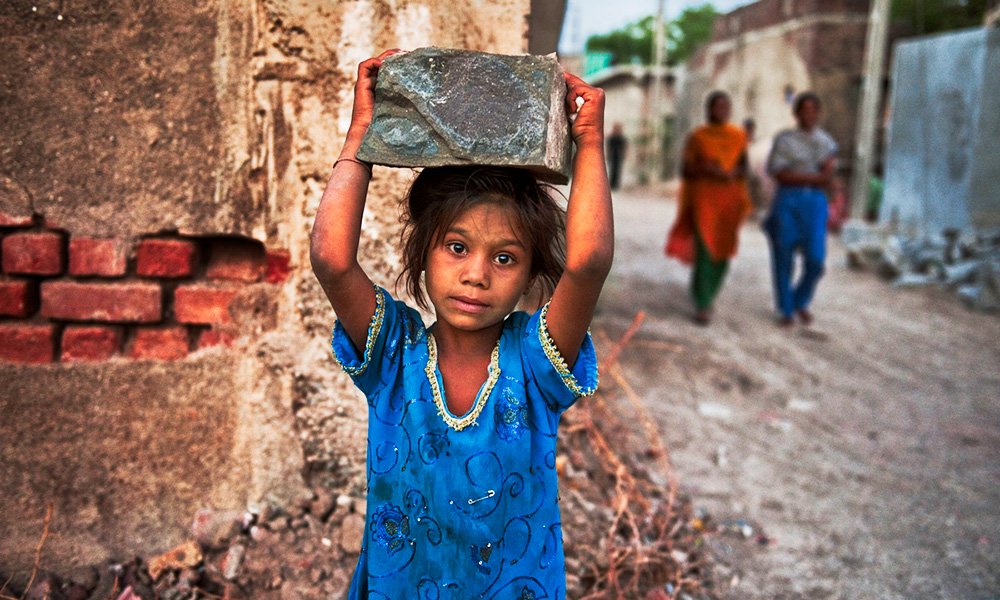
 It is a glaring fact that 1 in 10 children worldwide is in child labour. There has been commendable work on this front in the past due to which there has been a decline of 94 million children in child labour since the year 2000. However, the economic and social crisis due to the pandemic is bringing the momentum down. Let’s not allow this to happen





Impact of Covid19 on child labour
The root cause of child labour is poverty, lack of jobs of parents, social marginalization, discrimination and lack of education. Since the pandemic has badly hit families in terms of economic and social crisis, the impact is going to show up in figures and percentages for the worse. There has been a massive disruption to education on a global scale. Many countries do not have proper arrangements for distance learning in poorer segments of society pushing children to child labour. Job loss or demise of parents also force children to work. We as a society whether, it is at the individual, community, or organizational levels should do whatever we can within our capacity to stop children being prey to child labour either by direct interventions or by spreading as much awareness as possible so that everyone stands up for the cause of happy childhood and taking children out from the drudgery of child labour.
How prevalent is child labour?
According to UN reports, there are many non-harmful paid or non-paid forms of labour in which children across the globe are engaged. However, those are not really counted under child labour until and unless children are too young for that or the work, they are engaged in is hazardous in nature. In both these circumstances, the mental, physical, social, and educational growth of children is at stake. If we take percentage and number of children in child labour as presented by the UN’s report:
- Africa is at number 1 at 20% and 72million child labourers followed by the Asia Pacific at 7% and 62 million.
- The percentage of children in child labour is 3%, 4%, and 5% respectively in Arab states, Europe, and Central Asia and America accounting for 1 million cases in the Arab States, 6 million cases in Europe and Central Asia, and 11 million cases in America.
- There are 7% total child labourers in upper-middle-income countries and 9% children in child labour in lower-income countries
It is sad that child labour is still rampant. 2021s World Day Against Child Labour’s theme is International Year for the Elimination of Child Labour. Even if the Covid-19 pandemic has thwarted many progress initiatives, this is a cause that should not take a backseat. UN Sustainable Development Goal targets the end of child labour in the year 2025. Pandemic should not be a reason for not meeting this deadline.




-23-300x250.png)




















