 Thursday, October 08, 2026
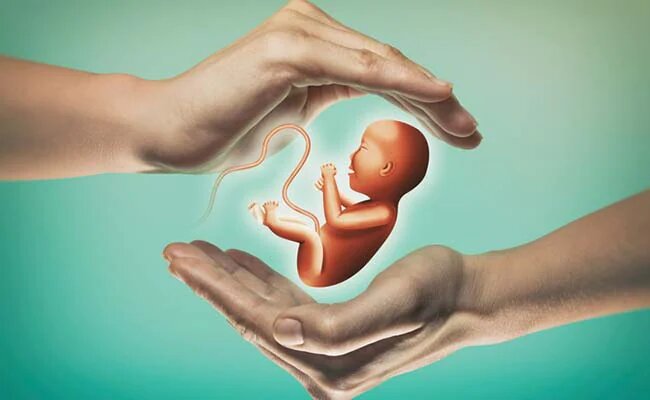
 World IVF Day celebrates the incredible impact of In Vitro Fertilization on the lives of countless couples across India. This revolutionary technique has brought joy, happiness, and hope to couples facing fertility challenges, turning the dream of parenthood into a beautiful reality.




On World IVF Day, we celebrate the remarkable advancements in medical science that have given hope to countless couples facing fertility challenges. In India, In Vitro Fertilization (IVF) has emerged as a ray of hope, offering a promising solution to couples struggling with infertility. This article dives into the world of IVF in India, presenting key statistics and exploring how this revolutionary technique has transformed the lives of many couples today.
IVF in India - A Beacon of Hope:
In Vitro Fertilization, commonly known as IVF, is a medical procedure that helps couples conceive when natural methods are unsuccessful. IVF offers new possibilities for couples dealing with various fertility issues, providing them with a chance to realize their dream of becoming parents.
Statistics on IVF in India:
Over the years, the adoption of IVF in India has witnessed a significant upsurge, driven by advancements in reproductive technology and increasing awareness. According to recent data, India has emerged as one of the leading countries in the field of Assisted Reproductive Technology (ART). Here are some key statistics:
1. Rapid Growth: India's IVF market has experienced remarkable growth, with an estimated annual increase of 20% in the number of IVF cycles performed.
2. Accessibility: IVF treatment centers have become more accessible across the country, making it easier for couples to seek fertility assistance.
3. Success Rates: With improved techniques and technologies, the success rates of IVF procedures in India have witnessed notable improvements, giving hope to couples with previously limited options.
4. International Patients: India has also become a preferred destination for medical tourism in IVF treatments, attracting patients from different parts of the world.
Benefits of IVF for Today's Couples:
Overcoming Infertility: IVF has opened doors for couples grappling with infertility issues, providing them with an opportunity to conceive and experience the joy of parenthood.
Addressing Medical Conditions: IVF can help couples affected by certain medical conditions or genetic disorders, allowing them to conceive without passing on hereditary concerns to their offspring.
Age No Barrier: IVF has extended the age window for women to conceive, enabling older couples to fulfill their desire to have children.
Single Parenthood: IVF offers an option for single individuals or same-sex couples to experience parenthood, breaking traditional barriers.
Emotional Well-Being: For couples experiencing the emotional burden of infertility, IVF can bring renewed hope and reduce the stress associated with fertility struggles.
The Difference IVF Has Made:
IVF has revolutionized the concept of family planning and has been a life-changing experience for many couples. With its growing popularity and success, IVF has become a beacon of hope, redefining the journey to parenthood for today's couples. It has transformed lives, providing newfound optimism and the realization of dreams for many hopeful parents.
World IVF Day celebrates the incredible impact of In Vitro Fertilization on the lives of countless couples across India. This revolutionary technique has brought joy, happiness, and hope to couples facing fertility challenges, turning the dream of parenthood into a beautiful reality. With increasing accessibility, improved success rates, and a brighter future for fertility treatments, IVF continues to empower couples with the gift of life and the fulfillment of their heartfelt aspirations.





.jpeg)










.jpg)
.jpg)
.jpg)
.jpg)
.jpg)
.jpg)


.jpg)