 Thursday, October 08, 2026
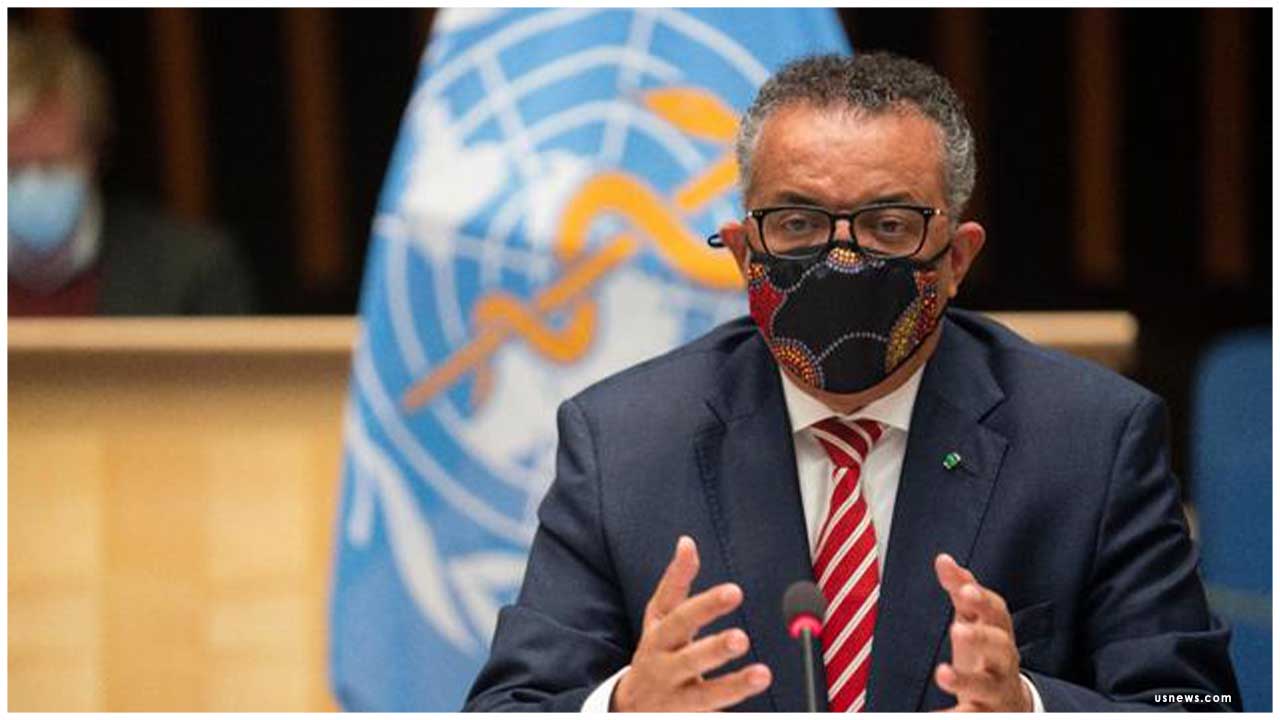
 A top official said the estimate meant "the vast majority of the world remains at risk".





One in 10 people around the world may have contracted Covid-19, the World Health Organization said, at a special meeting of WHO leaders.
Just over 35m people have been confirmed as being infected with coronavirus - the WHO's estimate puts the true figure at closer to 800m.
Experts have long said the real number of cases would exceed those confirmed.
The WHO is meeting at its headquarters in Geneva, Switzerland, to discuss the global response to the pandemic.
Ten months on, the crisis shows no sign of ending. Several countries are seeing second waves after easing restrictions and in some cases, numbers are even higher.
In the latest developments:
US President Donald Trump spent the weekend in hospital after testing positive for the virus. Doctors treating him suggested he could be released on Monday. The US has seen more cases and deaths than anywhere else in the world
Bars are being shut in the French capital Paris from Tuesday to try to combat a surge in cases of coronavirus
Iran on Monday announced 235 new fatalities from the disease and 3,902 new cases, both records in the country's outbreak. Over the weekend the authorities ordered the closure of schools, universities, libraries, mosques and other public institutions in the capital and its surrounding area.
The Spanish capital Madrid is under another lockdown, with residents banned from non-essential travel
Singapore's Changi Airport regularly voted the world's best, warned of a "daunting" future for air travel with flights at the lowest level in history estimate that 10% of the world's population has contracted the virus came from Mike Ryan, the executive director of the WHO's Health Emergencies Programme.
"This varies depending on the country, it varies from urban to rural, it varies between different groups," he said.
"But what it does mean is that the vast majority of the world remains at risk. We know the pandemic will continue to evolve but we also know we have the tools that work to suppress transmission and save lives right now and they are at our disposal."
Calling for solidarity and firm leadership from countries, WHO Director-General Tedros Adhanom Ghebreyesus said there had been marked differences in the number of cases around the world.
"Although all countries have been affected by this virus, we must remember that this is an uneven pandemic. Ten countries account for 70% of all reported cases and deaths and just three countries account for half," he said.
More than one million people have died from the virus, according to a tally from Johns Hopkins University. After the US, India and Brazil have seen the most infections.
Story Source - www.bbc.com






.jpeg)










.jpg)
.jpg)
.jpg)
.jpg)
.jpg)
.jpg)


.jpg)