 Thursday, October 08, 2026
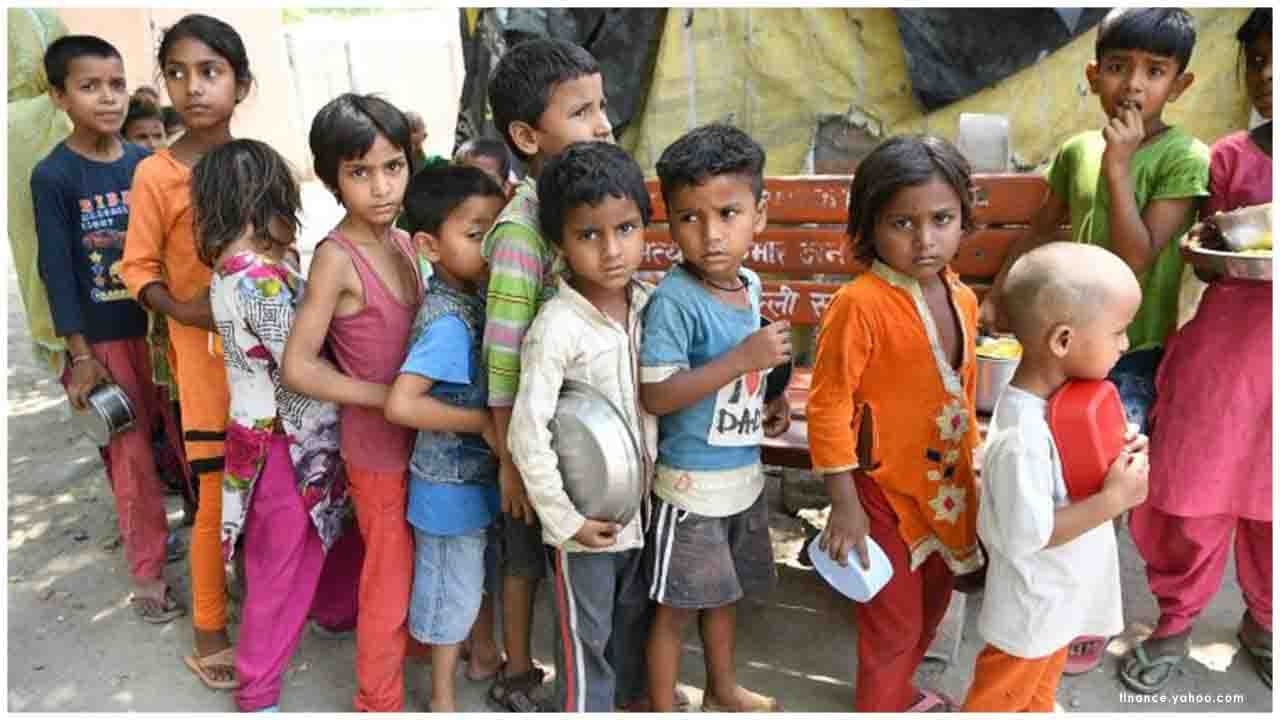
 In Bangladesh, UNICEF said it found that some of the poorest families could not afford three meals a day, while in Sri Lanka its survey showed that 30 percent




Beyond what 100 million youngsters in South Asia could slip into destitution because of the coronavirus pandemic, a UN report said Tuesday of the drawn-out effect of the emergency.
Cases over the thickly populated district - home to very nearly a fourth of the total populace - have ascended as of late even as the locale lifts its lockdown to restore economies gravely broke by the infection.
"While they might be less vulnerable to the infection itself, youngsters are by and large significantly influenced by the aftermath, including the monetary and social results of the lockdown," the report by the UN kids' organization UNICEF said.
South Asia - which incorporates India, Pakistan, Afghanistan, Nepal, Bangladesh, Sri Lanka, the Maldives, and Bhutan - is home to nearly 600 million youngsters, with around 240 million previously living in neediness, the organization said.
In the direst outcome imaginable, the infection could drive another 120 million into neediness and food uncertainty inside a half year, it cautioned.
"Without dire activity now, COVID-19 could demolish the expectations and fates of a whole age," UNICEF's South Asia local executive Jean Gough said in an announcement.
Progress in social insurance -, for example, vaccination, sustenance, and different administrations - were as a rule "seriously upset".
In Bangladesh, UNICEF said it found that probably the most unfortunate families couldn't bear the cost of three dinners per day, while in Sri Lanka its study indicated that 30 percent of families had cut their food consumption.
With schools shut, less fortunate youngsters have battled to stay aware of their training, especially those in provincial families without web get to - or even power.
"There are worries that some distraught understudies may join the almost 32 million kids who were at that point out of school before COVID-19 struck," the report included.
Other significant concerns incorporate the dangers of abusive behavior at home, misery, and other emotional well-being issues with adolescents investing more energy at home.





.jpeg)










.jpg)
.jpg)
.jpg)
.jpg)
.jpg)
.jpg)


.jpg)