 Thursday, October 08, 2026
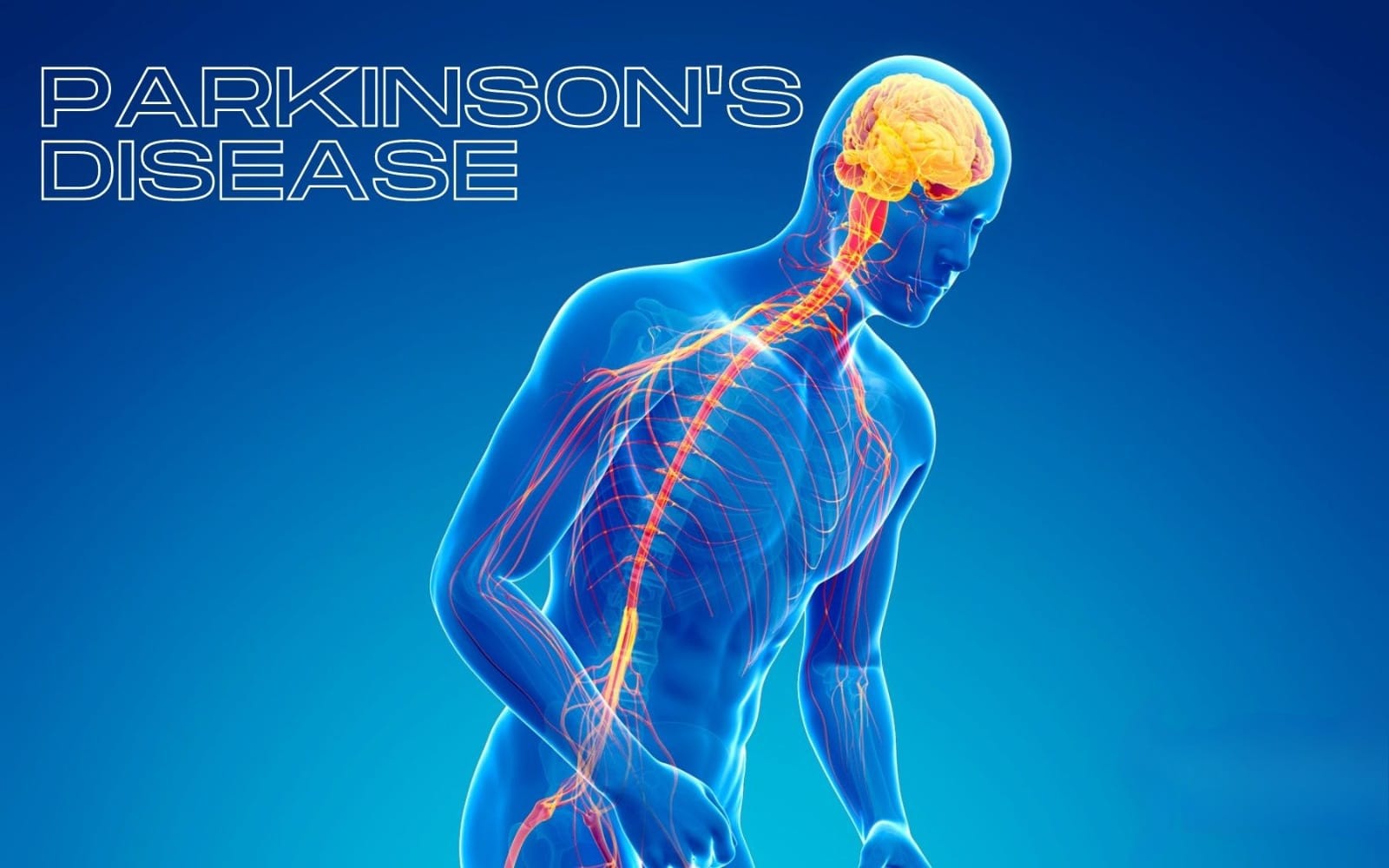
 Parkinson’s disease, once considered an ailment of the elderly, is increasingly affecting younger individuals in India, with early-onset cases rising at an alarming rate.




Parkinson’s disease, once considered an ailment of the elderly, is increasingly affecting younger individuals in India, with early-onset cases rising at an alarming rate. With no definitive cure of the disease, experts call for early detection and muti-prong approach to manage the condition vis-a-vis improving quality of life.
Parkinson's disease (PD), a progressive neurodegenerative disorder, has long been associated with the elderly. However, recent studies indicate a troubling surge in early-onset cases, particularly in India, positioning the nation as a potential hub for PD patients globally.
Alarming Projections and Early Onset Trends
A study published in the British Medical Journal predicts that by 2050, approximately 25.2 million individuals worldwide will be living with Parkinson’s disease, marking a 112% increase from 2021. Notably, South Asia, including India, is expected to account for 6.8 million of these cases. The study emphasizes that population aging is the primary contributor to this surge, followed by population growth and changes in prevalence rates. The projected prevalence is 267 cases per 100,000 individuals by 2050.
In India, PD prevalence rates range from 15 to 43 per 100,000 people. Alarmingly, the National Institute of Mental Health and Neurosciences (NIMHANS) indicated in 2022 that nearly 40-45% of Indian PD patients experience early onset of motor symptoms between the ages of 22 and 49, categorizing them as having early-onset Parkinson's disease. This trend indicates that Indians are developing PD nearly a decade earlier than global averages.
Understanding Parkinson's Disease
Parkinson's disease affects movement due to a deficiency in dopamine, a vital neurotransmitter in the brain. Symptoms typically develop gradually and may start with a barely noticeable tremor in one hand. While tremors are common, the disorder also causes stiffness or slowing of movement. Early signs include tremors, muscle rigidity, and difficulties with movement. Non-motor symptoms can encompass loss of smell, constipation, and sleep disturbances.
Causes and Risk Factors
The exact cause of PD remains unknown, but several factors contribute to its development:
Genetic Factors: Certain genetic mutations have been linked to PD. Having a close relative with the disease increases one's risk.
Environmental Factors: Exposure to toxins like pesticides and herbicides may slightly elevate the risk.
Age: The risk increases with age, typically affecting those 60 and older.
Gender: Men are more likely to develop PD than women.
"Parkinson’s is not a single entity but has other conditions which resemble PD. One is Typical Parkinsonism and the other is Atypical Parkinsonism. This distinction is vital as typical Parkinsonism responds well to medication, whereas atypical forms progress more rapidly." Dr. Praveen Gupta, Principal Director & Chief of Neurology, Fortis Hospital
Importance of Early Diagnosis
Health experts say early detection of PD is crucial for managing symptoms effectively and improving the quality of life.
"Parkinson’s is often misdiagnosed in its early stages because symptoms like stiffness and fatigue are mistaken for normal ageing or arthritis. Early detection through clinical evaluation and imaging can help initiate neuroprotective therapies that delay motor complications which include slowness in daily activities, tremors in hands and legs, and body rigidity. Advanced treatments like deep brain stimulation can offer significant relief when initiated promptly" Dr. Madhukar Bhardwaj, Director & HOD Neurology, Aakash Healthcare.
Experts highlighted the importance of timely medical consultation
"In neurological disorders, patients take delayed actions to reach out to doctors as compared to other physical illnesses. The delay increases the severity of the disease." said Dr. Gupta.
"The diagnosis of Parkinson's disease remains a clinical diagnosis with no confirmatory laboratory or imaging studies available. However, Deep brain is only available for those patient in which there is no cure from the medicine but the major treatment is medical management" Dr. Neha Kapoor, Associate Director & Head-Neurology, Asian Hospital.
Nutrition & psychological support
Nutrition and psychological support play a vital role in managing Parkinson’s disease and support overall brain health. Equally important is psychological care.
"A nutrient-dense diet rich in antioxidants, omega-3 fatty acids, and dietary fiber plays a crucial role in supporting brain health and managing symptoms of Parkinson’s. Equally important is strategic protein timing, particularly for patients on Levodopa therapy, as it can significantly enhance the medication’s absorption and effectiveness." Dr Rajas Deshpande, Consultant and Director - Neurology, Jupiter Hospital Baner, Pune.
"Depression and anxiety are common in PD patients due to the chronic nature of the disease. Counseling and support groups play a crucial role in helping patients and caregivers cope." Dr. Neha Kapoor, Associate Director & Head-Neurology, Asian Hospital.
Experts emphasize that exercise is often underestimated in Parkinson’s care.
"Many people underestimate the profound impact of exercise. It's not just beneficial for physical well-being—it also helps rewire the brain. For individuals with Parkinson’s, consistent and targeted movement can enhance brain function and motor control. One promising technique is LSVT BIG therapy, which focuses on exaggerated, large-amplitude movements to help counteract the stiffness and slowness that often accompany the condition.” Dr. Madhukar Bhardwaj, Director & HOD Neurology, Aakash Healthcare.
Treatment Options
While there is no cure for PD, treatments aim to alleviate symptoms:
Medications: Drugs like Levodopa can help manage motor symptoms by increasing dopamine levels.
Surgical Interventions: Procedures such as deep brain stimulation (DBS) have shown efficacy in reducing symptoms in advanced cases.
Lifestyle Modifications: Regular exercise, a balanced diet, and physical therapy can enhance mobility and overall well-being.






.jpeg)










.jpg)
.jpg)
.jpg)
.jpg)
.jpg)
.jpg)


.jpg)