 Saturday, November 14, 2026
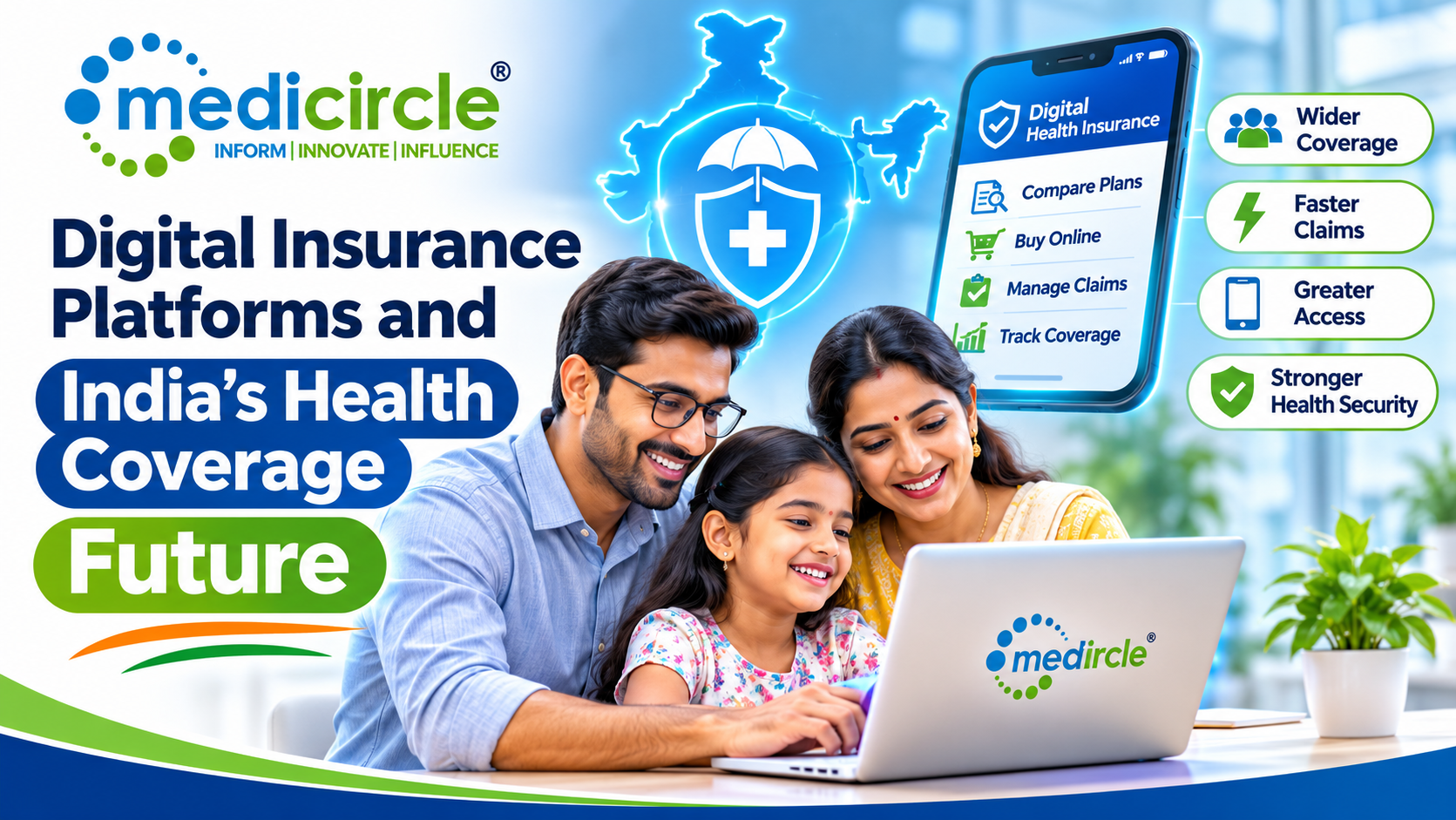
 Digital insurance platforms are reshaping health coverage access in India by reducing costs, expanding reach, and integrating technology to bring financial protection to millions of underserved citizens.





Introduction
India's healthcare financing landscape is undergoing a profound transformation. For decades, health insurance in India remained the domain of paper-heavy processes, long queues, complex jargon, and limited reach. A large section of the population either did not understand insurance products well enough to purchase them or simply found the process too cumbersome to complete. The result was a persistently low insurance penetration rate in a country carrying one of the world's highest out-of-pocket healthcare expenditures.
Digital insurance platforms are now changing this reality in meaningful ways. These platforms are not just digitizing existing insurance workflows. They are fundamentally rethinking how health coverage is designed, distributed, understood, and accessed. From tier 1 metros to tier 3 towns, the reach of digital health insurance is expanding at a pace that was previously unimaginable. For India, where healthcare costs can push families into financial hardship overnight, the promise of affordable, accessible, and transparent digital health coverage is more than a business opportunity. It is a public health imperative.
Understanding Digital Health Insurance Platforms
A digital insurance platform is an online or application-based system that enables users to compare, buy, manage, and renew health insurance policies without depending on a physical agent or visiting an insurer's branch. These platforms range from web-based insurance aggregators and insurtechs to mobile apps built by established insurance companies.
In India, some of the most recognized names in this space include PolicyBazaar, Digit Insurance, Acko, Niva Bupa, and Star Health's digital interface. Beyond these, newer insurtechs are building niche products for specific population groups, including gig workers, senior citizens, low-income households, and self-employed individuals.
What distinguishes these platforms from traditional insurance channels is not just their digital interface. It is their ability to process large volumes of data, simplify policy comparisons, automate underwriting decisions, and reduce the cost of distribution significantly. This reduction in distribution cost is one of the primary reasons digital platforms can offer competitively priced products compared to agent-led models.
The Insurance Regulatory and Development Authority of India (IRDAI) has also played a constructive role in enabling this shift. Its sandbox framework, e-insurance account mandate, and push toward paperless policy issuance have created a regulatory environment that supports digital-first insurance models without compromising consumer protection.
Why India Needs Digital Health Coverage Solutions
India's health insurance gap is a well-documented challenge. According to data published by the National Health Authority and various IRDAI annual reports, a significant proportion of Indians remain without any form of health coverage. Government schemes like Ayushman Bharat Pradhan Mantri Jan Arogya Yojana (PM-JAY) have made commendable progress in covering below-poverty-line populations, but the middle segment of the income pyramid, those who do not qualify for government schemes yet cannot comfortably afford private insurance, remains underserved.
Out-of-pocket health expenditure in India continues to be among the highest globally as a percentage of total health spending. Medical inflation has been consistently outpacing general inflation, making hospital bills for even moderately serious conditions financially devastating for uninsured families.
Digital insurance platforms are addressing this gap through several structural advantages:
- Significantly lower premium costs due to reduced distribution overhead
- Bite-sized or modular coverage options that suit varying budgets
- Instant policy issuance with minimal paperwork
- Transparent comparison tools that empower consumers to make informed choices
- Integration with government health schemes to bridge the coverage gap
The penetration potential is particularly strong in semi-urban and rural India, where smartphone access has grown substantially over the past five years but physical insurance infrastructure remains sparse.
Key Technologies Driving the Shift
The rise of digital insurance platforms is inseparable from broader technology trends that have reshaped consumer industries in India. Several specific technological enablers are at the core of this transformation.
Artificial Intelligence and Machine LearningAI is being used extensively across the insurance value chain. At the underwriting stage, machine learning models analyze health data, lifestyle inputs, and demographic factors to generate faster and more accurate risk assessments. This not only speeds up policy issuance but also allows insurers to price products more precisely, which benefits lower-risk individuals who may have been overcharged under blanket pricing models.
For claims processing, AI-powered tools can review submitted documents, cross-verify hospital records, and flag potential fraudulent claims with significantly higher efficiency than manual review processes. This reduces claim processing times from weeks to days or even hours in some cases.
Telemedicine and Health Data IntegrationMany digital insurance platforms are now integrating with telemedicine providers and health monitoring applications. This integration serves a dual purpose. First, it encourages policyholders to take preventive healthcare actions, which reduces the frequency of large claims. Second, continuous health data, shared with appropriate consent, allows insurers to offer wellness-linked incentives and dynamic premium adjustments.
The Ayushman Bharat Digital Mission (ABDM) initiative, which is building a nationwide digital health infrastructure including Health IDs and linked health records, is creating the foundational layer on which these integrations can operate at scale across India.
UPI and Seamless Digital PaymentsIndia's Unified Payments Interface (UPI) ecosystem has made premium collection remarkably straightforward. Policyholders can set up recurring payment mandates, pay renewal premiums within seconds, and receive instant payment confirmations. This reduction in friction around premium payments has had a measurable positive impact on policy renewal rates, which have historically been a problem area for the Indian insurance industry.
Expanding Access: Reaching the Underserved
One of the most significant contributions of digital insurance platforms is their ability to reach population segments that traditional insurance channels never effectively served. Gig economy workers, daily wage earners, domestic workers, small farmers, and micro-entrepreneurs represent hundreds of millions of people in India who have largely existed outside the formal insurance ecosystem.
Several insurtechs are now designing micro-insurance products specifically for these groups. These products feature:
- Low annual premiums, sometimes as low as a few hundred rupees
- Simplified enrollment through feature phones or basic smartphones
- Coverage for specific high-risk events such as hospitalization or accidental injury
- Claims settlement through mobile money transfers
The integration of digital insurance with Jan Dhan accounts, Aadhaar-based identity verification, and common service centers in rural India is further accelerating this outreach. When someone in a tier 3 town can purchase a health insurance policy on their phone in under five minutes, the structural barrier to coverage is fundamentally different from what it was a decade ago.
Challenges That Must Be Addressed
Despite the considerable progress, several challenges must be honestly acknowledged and addressed for digital health insurance to fulfill its true potential in India.
Health literacy and insurance literacy remain limited across large sections of the population. Even if the enrollment process is digital and fast, consumers need to genuinely understand what their policy covers and what it does not. Mis-selling, which has long been a problem in traditional insurance channels, can migrate to digital platforms if regulatory oversight and transparency standards are not rigorously maintained.
Data privacy is another critical concern. As platforms collect increasingly detailed health and lifestyle data to personalize products, the risk of data misuse or breaches grows correspondingly. India's Personal Data Protection framework will need to evolve in step with the pace of data collection happening within insurtechs.
Network hospitals in smaller towns and rural areas remain insufficient. A cashless claim facility is only as useful as the network of empaneled hospitals available to the policyholder. Expanding hospital networks to match the geographic reach of digital platforms is an infrastructural challenge that will require sustained collaboration between insurers, government health bodies, and healthcare providers.
Claims disputes and grievance redressal in the digital context also need stronger mechanisms. IRDAI's Bima Bharosa initiative and the Insurance Ombudsman system are steps in the right direction, but awareness and accessibility of these mechanisms need to improve significantly.
The Road Ahead for Digital Health Coverage in India
The trajectory for digital insurance platforms in India is strongly upward. With a young and digitally connected population, rising awareness of healthcare costs, and growing government emphasis on universal health coverage, the demand for accessible health insurance products is set to increase substantially over the next decade.
Several developments are likely to shape the future of this space. Embedded insurance, where health coverage is bundled into other products and services such as healthcare apps, employer platforms, and retail health chains, is gaining traction. Parametric health insurance, which pays out fixed amounts upon the occurrence of a defined health event without requiring detailed claims documentation, is another model attracting attention for its simplicity and speed.
Platforms like Medicircle, which bring credible healthcare information to a broad audience, have an important role in this ecosystem. When people understand their health risks better, when they have access to expert perspectives on healthcare costs and coverage, and when they are connected to trustworthy healthcare knowledge, they are better equipped to make meaningful decisions about health insurance. The connection between healthcare media and health insurance literacy is not incidental. It is foundational.
Conclusion
Digital insurance platforms represent one of the most consequential developments in India's health financing landscape in recent memory. They are expanding access, lowering costs, improving transparency, and bringing a measure of financial security to millions of Indians who previously had none. The technology is powerful, the regulatory environment is evolving constructively, and the demand is real and growing.
The journey is far from complete. Health literacy, data governance, hospital network adequacy, and consumer protection must continue to receive serious attention. But the direction is clear. India's health coverage future will be built, in significant part, on digital foundations. The platforms, technologies, and partnerships being established today will determine how quickly and equitably that future arrives.
Frequently Asked Questions
Q1: What are digital insurance platforms in India?
Digital insurance platforms are online and app-based systems that allow individuals to compare, purchase, and manage health insurance policies without visiting a physical branch or agent. They use technology to simplify the entire insurance journey, from enrollment to claims.
Q2: Is health insurance purchased online safe in India?
Yes. Platforms regulated by IRDAI and partnered with established insurance companies follow secure digital payment and data protection protocols. Consumers should verify that the platform is IRDAI-registered before purchasing any policy online.
Q3: How do digital platforms help low-income groups access health insurance?
Many platforms offer micro-insurance products, sachet plans, and integration with government schemes like Ayushman Bharat PM-JAY, making coverage accessible even to people with limited financial resources and those living in remote areas.
Q4: What is the role of AI in digital health insurance platforms?
AI is used for underwriting, fraud detection, premium calculation, claims processing, and personalized policy recommendations, making the entire insurance journey faster, more accurate, and more cost-efficient for both insurers and policyholders.
Q5: Can digital platforms help with cashless health insurance claims in India?
Yes. Many digital insurance platforms have integrated hospital networks and streamlined cashless claim approvals, reducing paperwork significantly and shortening claim settlement times compared to traditional paper-based processes.
Resources
- Insurance Regulatory and Development Authority of India (IRDAI): Official regulator for insurance in India, providing guidelines, annual reports, and consumer protection information related to health insurance.
- National Health Authority (NHA): The apex body implementing Ayushman Bharat PM-JAY and the Ayushman Bharat Digital Mission, with data on health coverage and digital health infrastructure in India.
- World Health Organization (WHO) India: WHO's India country office publishes reports on out-of-pocket health expenditure, universal health coverage indicators, and health financing trends relevant to India.
- Ministry of Health and Family Welfare (MoHFW): India's central government health ministry, which publishes national health policy documents, health statistics, and information on government insurance schemes.
- Ayushman Bharat Digital Mission (ABDM): The official platform for India's nationwide digital health ecosystem, including Health IDs and integrated health records that underpin digital insurance infrastructure.
Interlinking Keywords
digital health insurance India, health insurance platforms India, Ayushman Bharat PM-JAY, IRDAI health insurance regulations, micro-insurance India, cashless health insurance claims, insurtechs India, health coverage for gig workers, ABDM digital health, out-of-pocket healthcare expenditure India
Last reviewed by:
Dr. Manthan Tripathi, Medicircle Editorial and Medical Advisory Team on 13, November 2026.
Disclaimer
This article is intended for general informational and educational purposes only. It does not constitute medical, financial, or legal advice. Health insurance products, their terms, premiums, and coverage details vary by provider and policy. Readers are advised to consult a certified insurance advisor and a qualified healthcare professional before making any health insurance decisions. Medicircle does not endorse or promote any specific insurance company, product, or platform. All information has been sourced from publicly available, authoritative references and is accurate to the best of the editorial team's knowledge at the time of publication.





-23-300x250.png)