 Saturday, November 14, 2026
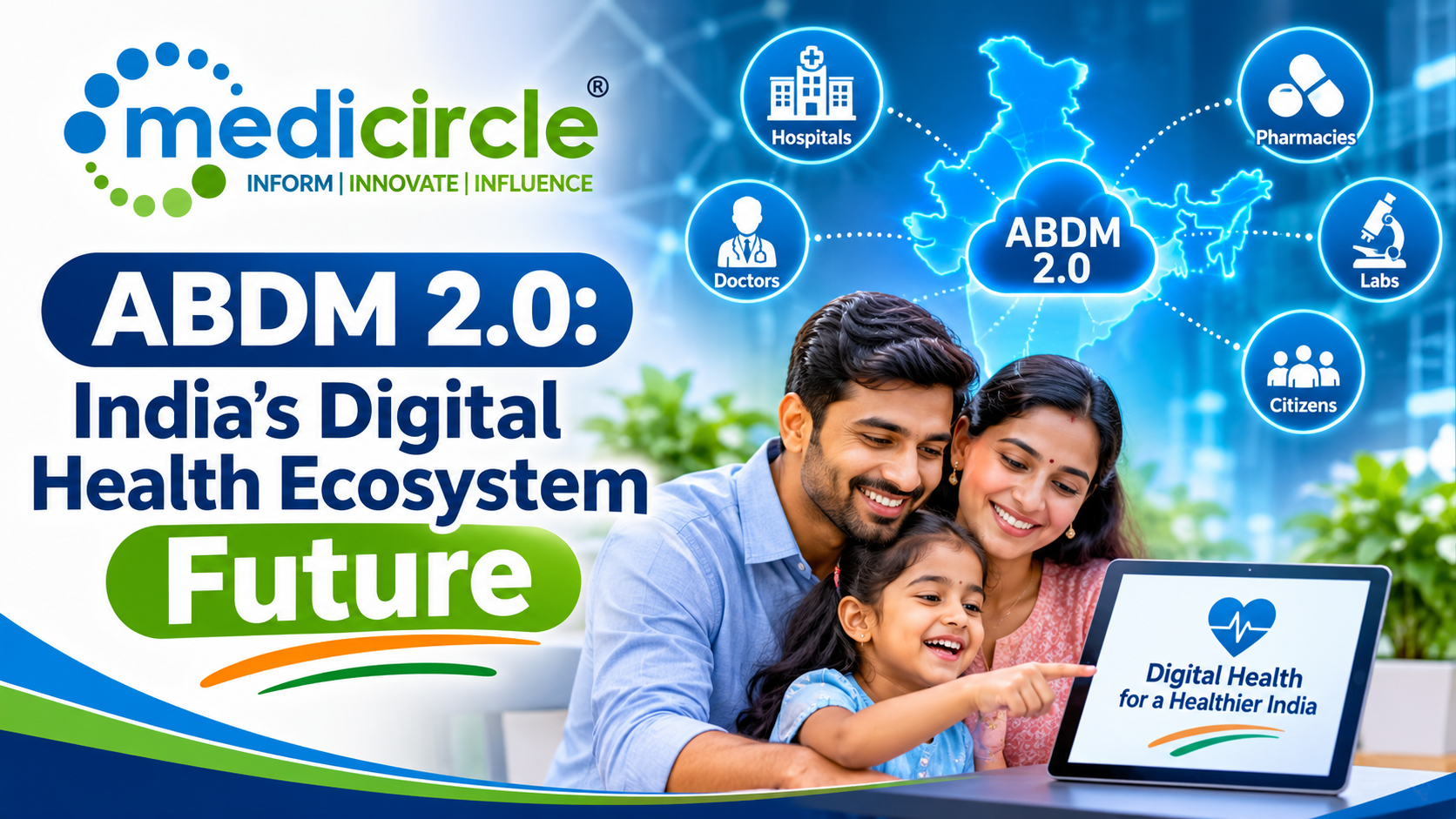
 India's ABDM is evolving toward a more connected digital health future, requiring deeper interoperability, AI integration, inclusive design, and stronger data governance for 1.4 billion people.





Introduction
India's healthcare system is at an inflection point. After decades of fragmented records, paper-based consultations, and disconnected care journeys, the country has taken a decisive step toward building a unified digital health infrastructure through the Ayushman Bharat Digital Mission, commonly known as ABDM. The first phase of this mission laid the groundwork: health IDs, digital health registries, and a framework for health data exchange. But what comes next is arguably more consequential.
ABDM 2.0 is not an official government announcement yet, but it represents the logical and much-discussed next phase of India's digital health ambition. Policymakers, healthtech leaders, hospital administrators, and public health experts are already debating what this evolution should include and what it will mean for the 1.4 billion people it aims to serve. The conversation is shifting from infrastructure building to actual impact, from enrollment numbers to meaningful usage, and from connectivity to genuine interoperability.
Understanding what ABDM 2.0 could look like requires looking honestly at where the current mission stands, where it falls short, and what a mature digital health ecosystem would need to deliver for patients, providers, and the public health system alike.
Understanding ABDM: The Foundation That Was Built
The Ayushman Bharat Digital Mission was launched in September 2021 and quickly became one of the most ambitious digital public infrastructure projects in the world. At its core, ABDM introduced the ABHA number, which stands for Ayushman Bharat Health Account. This is a unique 14-digit health ID that allows individuals to link and access their medical records digitally. Alongside this, ABDM established four foundational registries: the Health Facility Registry, the Healthcare Professionals Registry, the Drug Registry, and the Health Document Repository.
The Health Information Exchange and Consent Manager framework, known as HIE-CM, was designed to give patients control over who can access their health data and when. This was a significant philosophical shift: rather than treating health data as the property of hospitals or insurers, ABDM positioned patients as the owners of their own health information.
By mid-2026, ABHA registrations had crossed 600 million, a number that reflects significant government effort and integration with Ayushman Bharat Pradhan Mantri Jan Arogya Yojana beneficiaries. However, registrations and active usage are very different metrics. The gap between people who have an ABHA number and people who actually use it to link records, access care history, or share information with providers remains a central challenge that any ABDM 2.0 framework will need to address directly.
Where the Current Mission Falls Short
The honest assessment of ABDM's first phase is that the architecture is sound but the adoption pipeline is uneven. Several structural gaps have emerged that the healthcare community has been vocal about.
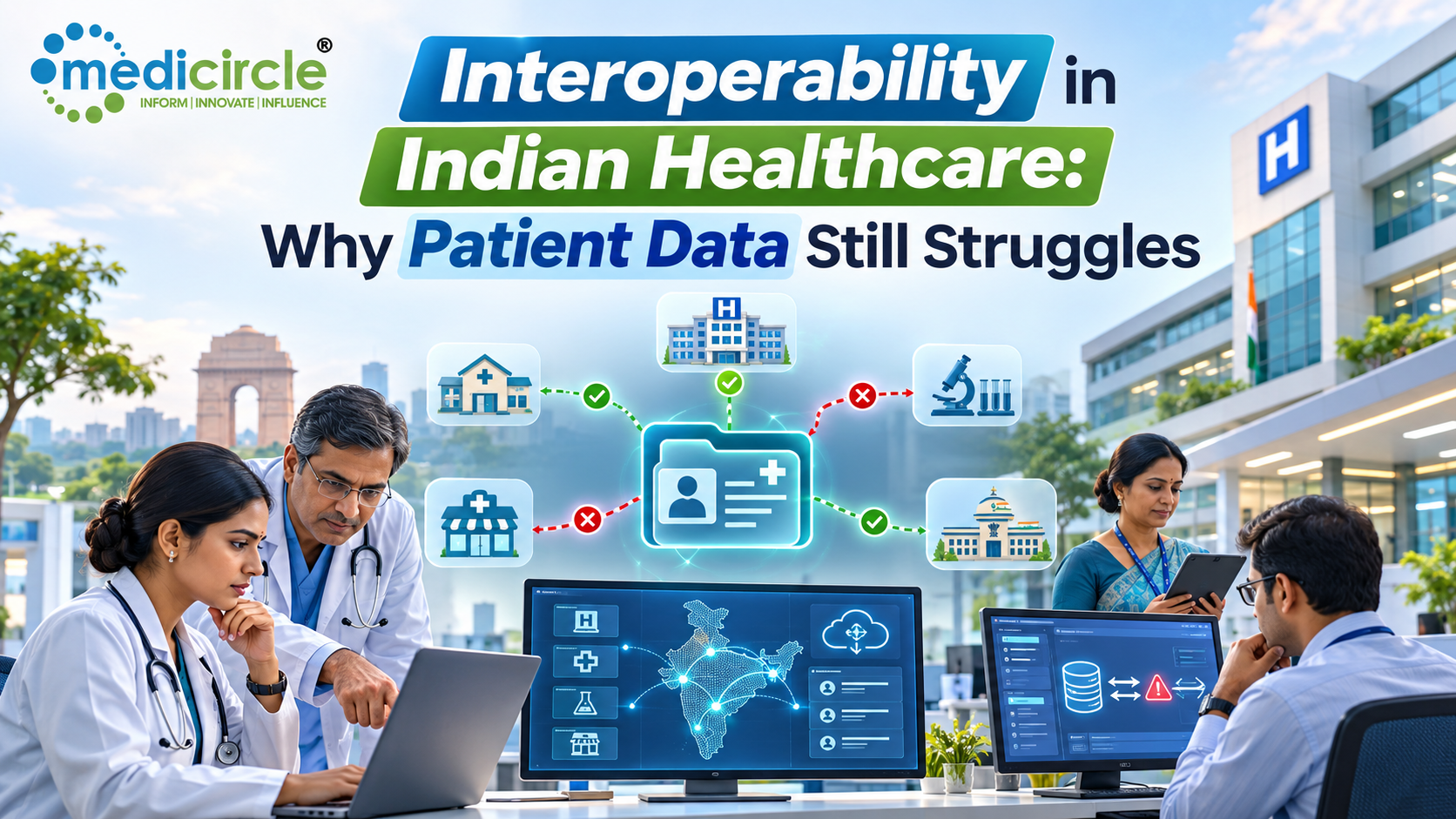
First, interoperability in practice remains limited. While the ABDM framework specifies standards for data exchange, many hospitals and diagnostic laboratories, particularly in Tier 2 and Tier 3 cities, have not integrated their hospital information systems with the ABDM network. A patient in Patna or Coimbatore often cannot walk into a tertiary centre in Delhi and have their records pulled up seamlessly, which was the original promise of the mission.
Second, digital literacy and connectivity continue to be real barriers. India's rural population, which constitutes more than 60 percent of the country, often lacks reliable smartphone access, consistent internet connectivity, or the literacy to navigate digital health interfaces. ABDM's current design assumes a baseline of digital fluency that does not yet exist uniformly across the country.
Third, the consent framework, while well-designed in principle, is not yet intuitive enough for average users. Patients in many settings are unaware that they have granular control over their health data, and the user experience of granting or revoking consent through ABDM-linked applications is still more complex than it needs to be.
Fourth, the private sector's integration with ABDM has been slower than anticipated. Many large private hospital chains have engaged with the framework superficially, offering ABHA linking at registration but not fully integrating their clinical workflows with ABDM's data exchange infrastructure.
What ABDM 2.0 Could Prioritise
The next phase of India's digital health mission will need to shift focus from enrollment to utilisation, and from framework to function. Several priorities have emerged from policy discussions, healthtech forums, and public health consultations.
Genuine interoperability at scale. ABDM 2.0 must move beyond voluntary compliance and create stronger incentives, or in some settings mandates, for health facilities to become fully ABDM-integrated. This means not just linking patient IDs but actually exchanging structured clinical data, prescriptions, lab reports, imaging results, and discharge summaries in a format that any ABDM-compliant system can read and display.
AI and analytics integration. The volume of health data that ABDM is designed to aggregate, when properly anonymised and consented, represents an extraordinary resource for population health analytics. ABDM 2.0 could embed AI-driven tools that help public health authorities identify disease clusters, monitor non-communicable disease burden, and allocate resources more efficiently. At the clinical level, AI-assisted diagnostics and decision support tools connected to a patient's longitudinal health record could meaningfully improve care quality, particularly in primary healthcare settings that are understaffed.
A stronger data privacy and governance framework. India's Digital Personal Data Protection Act, 2023, provides a legal foundation for data governance. ABDM 2.0 will need to operationalise this framework specifically for health data, which is among the most sensitive categories of personal information. Clear rules around data retention, breach notification, secondary use of health data, and the accountability of health information exchanges will be essential.
Offline-first and assisted-access models. For the digital health mission to be genuinely inclusive, it cannot assume that every patient will access it through a personal smartphone. ABDM 2.0 should invest in offline-capable systems that sync when connectivity is available, as well as assisted-access models where community health workers, Accredited Social Health Activists, or pharmacy staff can help patients link records and access their ABHA account.
Mental health and allied health integration. The current ABDM framework focuses heavily on mainstream clinical records. ABDM 2.0 should expand the scope to include mental health records, rehabilitation data, dental records, and nutrition assessments, while also giving patients stronger protections around the sensitivity of these categories.
The Role of Healthtech in Accelerating ABDM 2.0
India's healthtech ecosystem has grown considerably since ABDM's launch. Platforms offering teleconsultation, digital pharmacy, home diagnostics, and health record management have proliferated across urban and semi-urban India. Many of these platforms have already integrated with ABDM's sandbox environment and are positioned to become significant catalysts for the mission's next phase.
The healthtech sector's ability to build intuitive consumer interfaces on top of ABDM's backend infrastructure is a critical bridge between policy ambition and patient behaviour. When booking a teleconsultation is as simple as ordering food delivery, and when that consultation automatically links to the patient's ABHA record, the activation gap begins to close. Several Indian healthtech startups are already working on this kind of experience design, and ABDM 2.0's success will partly depend on how well the government and the private sector co-create this layer.
Hospitals and diagnostics chains that invest in deep ABDM integration now are likely to gain competitive and reputational advantages as the ecosystem matures. The ability to tell a patient that their entire care history is accessible, portable, and secured with their consent is not just a compliance statement. It is a genuine value proposition.
State-Level Variations and the Path to National Coherence
One of the more complex dynamics shaping ABDM's future is the variation in digital health readiness across Indian states. States like Kerala, Tamil Nadu, Telangana, and Karnataka have significantly more developed health IT infrastructure and have engaged more actively with ABDM integration. States in the northern and eastern parts of the country are at earlier stages of this journey.
ABDM 2.0 will need to account for this heterogeneity. A one-size-fits-all implementation timeline is unlikely to serve the mission well. Instead, a tiered approach that recognises the digital health maturity of different states and allocates technical and financial support accordingly would be more effective. The National Health Authority, which governs ABDM, has acknowledged the need for state-specific acceleration plans, and this thinking is likely to deepen in the next phase.
What This Means for Patients and the Public
For the average Indian patient, what does a mature ABDM 2.0 ecosystem actually mean in practice? It means that a person who has a consultation at a government primary health centre in rural Maharashtra today can walk into a corporate hospital in Pune next month and have their doctor access that consultation record with one consent tap. It means that a person managing a chronic condition does not need to carry a folder of paper reports to every appointment. It means that the public health system can detect a sudden rise in fever cases in a specific district and respond before it becomes an outbreak.
These are not distant possibilities. They are outcomes that the ABDM framework is structurally capable of delivering. The gap between the architecture and these outcomes is a matter of execution, investment, political will, and the collective effort of a healthcare ecosystem that includes doctors, hospitals, regulators, technologists, and patients.
India is building something genuinely consequential. The next phase of this journey, whatever it is called, will determine whether that consequence is fully realised.
Conclusion
ABDM has given India the scaffolding for a digital health ecosystem that could become one of the most impactful public health infrastructure projects in modern times. The next phase must shift from building foundations to enabling outcomes. This means deeper interoperability, genuine patient empowerment, inclusive design for rural and low-literacy populations, and a governance framework that earns and sustains public trust. For healthtech companies, hospital systems, and health communicators, the ABDM 2.0 era represents both a responsibility and an opportunity to shape the future of healthcare delivery for a population of 1.4 billion people.
Frequently Asked Questions
Q1: What is ABDM 2.0?
ABDM 2.0 refers to the anticipated next phase of the Ayushman Bharat Digital Mission, expected to focus on deeper health data interoperability, expanded ABHA adoption, AI integration, and stronger data governance to move beyond enrollment into meaningful daily usage across India's healthcare system.
Q2: How does ABDM benefit patients in India?
ABDM gives patients a unique health ID called the ABHA number, allowing them to store, access, and share their medical records digitally across hospitals, clinics, and diagnostic centres. This reduces dependency on paper records, improves continuity of care, and gives patients greater control over their health information.
Q3: Is ABHA registration mandatory in India?
ABHA registration is currently voluntary. However, government hospitals and an increasing number of private healthcare providers are integrating ABHA into their patient registration workflows, making it progressively more central to accessing both public and private health services.
Q4: What role does AI play in India's digital health future?
AI is expected to support clinical decision-making, early disease detection, radiology interpretation, and population-level health analytics within India's evolving digital health framework. AI tools connected to longitudinal patient records through ABDM could significantly improve diagnostic accuracy and resource allocation in underserved areas.
Q5: What are the biggest challenges facing ABDM implementation in India?
The key challenges include low digital literacy in rural areas, inconsistent internet connectivity, limited integration of private hospital IT systems with ABDM infrastructure, inadequate consumer-facing user experience for consent management, and the ongoing need for a more comprehensive and enforceable health data privacy framework.
Resources
- Ayushman Bharat Digital Mission (ABDM): Official mission portal of the National Health Authority of India, covering ABHA registration, healthcare registries, and policy documentation.
- National Health Authority (NHA): The apex body responsible for implementing ABDM and Ayushman Bharat PM-JAY, publishing reports, guidelines, and ecosystem updates.
- Ministry of Health and Family Welfare (MoHFW): India's central health ministry, providing policy documents, national health programme updates, and digital health strategy papers.
- World Health Organization India Country Office: WHO's India office publishes reports on digital health readiness, universal health coverage, and health system strengthening relevant to the ABDM context.
- NITI Aayog Health Reports: NITI Aayog has published key analytical documents on India's health system transformation, digital health readiness, and technology-enabled care delivery models.
Interlinking Keywords
Ayushman Bharat Digital Mission, ABHA health ID, health data interoperability India, digital health ecosystem India, National Health Authority India, HIE-CM consent manager, Ayushman Bharat PM-JAY, telemedicine India policy, digital health records India, health IT infrastructure India, ABDM integration hospitals, Digital Personal Data Protection Act India
Last reviewed by:
Dr. Manthan Tripathi, Medicircle Editorial and Medical Advisory Team on 13, November 2026.
Disclaimer
This article is intended for general informational and awareness purposes only. It does not constitute medical advice, clinical guidance, or a recommendation to undertake any specific health action. Readers are advised to consult a qualified and registered healthcare professional for personalised medical advice. Medicircle does not endorse any specific product, service, treatment protocol, or healthcare provider. All policy-related content in this article is based on information available at the time of publication and is subject to revision as government announcements and healthcare regulations evolve.





-23-300x250.png)