 Wednesday, November 18, 2026
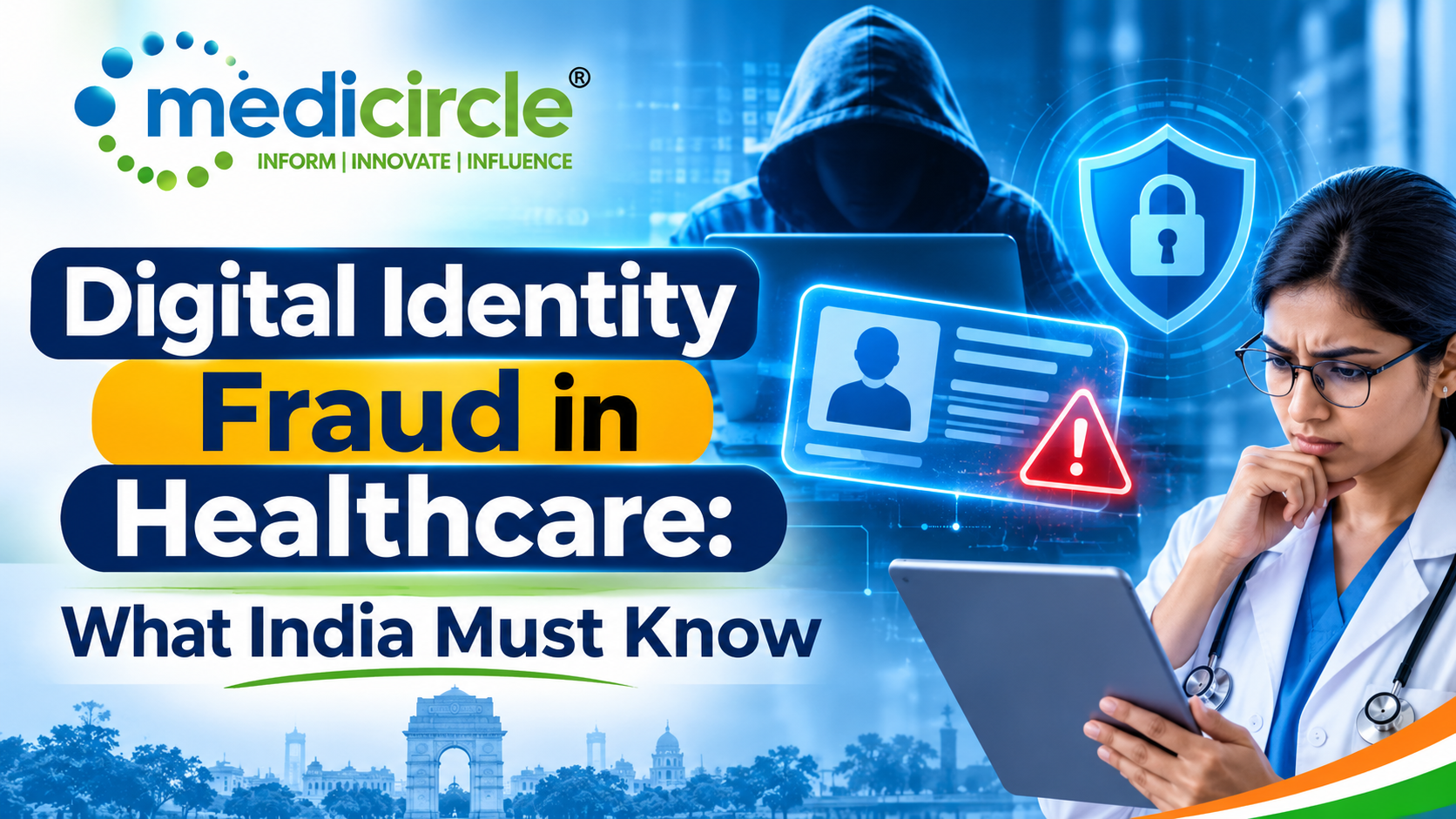
 Digital identity fraud is a rising threat to India's healthcare system, compromising patient safety, draining public health funds, and demanding urgent coordinated action across providers, regulators, and patients.





Introduction
India's healthcare sector is undergoing a remarkable digital transformation. From electronic health records and telemedicine platforms to the Ayushman Bharat Digital Mission (ABDM) and the Ayushman Bharat Health Account (ABHA), millions of Indians are now connected to digital health ecosystems. This shift has brought extraordinary benefits: faster diagnosis, smoother insurance claims, remote access to doctors, and better data-driven care decisions.
However, this digitisation has also opened the door to a threat that few patients, and even some healthcare providers, fully appreciate: digital identity fraud in healthcare. As health data moves online and patient records become more interconnected, cybercriminals and fraudulent actors are increasingly targeting healthcare identities for financial gain, insurance manipulation, and even dangerous medical record tampering.
This is not a distant, Western problem. Indian hospitals, insurance networks, government health schemes, and patients themselves are already in the crosshairs. Understanding this threat is not optional. It is a matter of patient safety, institutional integrity, and public health trust.
Understanding Digital Identity Fraud in Healthcare
Digital identity fraud in healthcare is the unauthorised use, manipulation, or theft of a person's healthcare-related identity information. This can include a patient's name, date of birth, Aadhaar number, ABHA ID, insurance policy details, medical history, or any combination of these.
Unlike traditional identity theft, which typically targets financial accounts, healthcare identity fraud is uniquely dangerous because it can alter the medical truth about a person. When a fraudster uses someone else's identity to receive medical care or file insurance claims, the victim can end up with incorrect diagnoses, wrong medications, or mismatched blood types on their official medical records. This kind of data corruption can directly endanger lives during future medical emergencies.
There are several distinct forms this fraud takes:
- Medical identity theft: Someone uses another person's health credentials to receive treatment, purchase controlled medications, or access restricted medical services.
- Insurance fraud: Fraudsters use stolen patient or provider identities to file false claims and siphon funds from government schemes like Ayushman Bharat or private health insurers.
- Provider impersonation: Fake clinics or fraudulent practitioners register under stolen credentials to bill insurance networks and receive payments for services never rendered.
- Data breaches and record manipulation: Cybercriminals hack into hospital systems to steal bulk patient records, which are then sold on dark web marketplaces or used to orchestrate targeted fraud.
The Indian Context: Why This Threat Is Escalating
India is now one of the world's largest digital health markets, with over 540 million internet users and a rapidly growing health-tech ecosystem. The government's push to digitise healthcare under ABDM has been visionary. Yet, the speed of this transformation has outpaced the cybersecurity infrastructure supporting it.
Several factors are amplifying the risk in India specifically. The healthcare sector handles highly sensitive personal data, but many smaller hospitals, nursing homes, and diagnostic centres across Tier 2 and Tier 3 cities still operate on outdated or inadequately secured IT systems. These facilities are low-hanging fruit for cybercriminals.
India also ranks among the top countries globally for data breach incidents in healthcare. Reports from cybersecurity agencies have consistently identified Indian hospitals and insurance databases among the most frequently targeted. The All India Institute of Medical Sciences (AIIMS) cyberattack in 2022 was a stark, public reminder of how vulnerable even apex institutions can be.
The widespread use of Aadhaar as a healthcare identity anchor adds another dimension. While Aadhaar-based authentication has streamlined access to services, any compromise of Aadhaar-linked health data creates an unusually broad identity exposure for the affected individual. With ABHA IDs now increasingly linked to Aadhaar, the stakes for protecting digital health identities have risen considerably.
How Healthcare Identity Fraud Happens: Common Entry Points
For patients, doctors, hospital administrators, and policy makers to respond effectively, they must first understand the most common pathways through which digital identity fraud enters the healthcare system.
Phishing attacks on hospital staff are among the most prevalent. A hospital employee receives a seemingly legitimate email requesting login credentials or prompting them to open a malicious link. Once credentials are compromised, attackers gain access to patient databases, billing systems, or insurance portals.
Third-party vendor vulnerabilities are another significant entry point. Hospitals routinely share data with laboratories, pharmaceutical companies, insurance firms, and technology vendors. Any weak link in this chain can expose the entire patient data ecosystem.
Fake health portals and apps have proliferated in India, particularly during and after the COVID-19 pandemic. These fraudulent platforms mimic legitimate government or hospital portals and collect patient details, Aadhaar numbers, and insurance information under the guise of booking appointments or claiming health scheme benefits.
Insider threats within healthcare organisations are frequently underreported but genuinely widespread. Administrative staff with access to patient databases can misuse or sell that information, particularly in unregulated or poorly supervised environments.
SIM swap fraud is also being used to bypass two-factor authentication in health insurance portals and digital health apps, allowing fraudsters to take over accounts and redirect insurance payouts or prescription benefits.
The Impact on Patients, Providers, and the Health System
The consequences of digital identity fraud in healthcare extend far beyond financial losses, though those are significant too. The Indian health insurance industry processes billions of rupees in claims annually, and fraudulent claims represent a meaningful and growing drain on those funds.
For individual patients, the most alarming consequence is medical record corruption. If a fraudster receives medical care or medications using someone else's identity, those encounters get logged under the victim's health profile. The next time that victim visits a hospital, they may be prescribed medications that interact dangerously with the false entries in their record, or be denied treatment based on conditions they do not actually have.
For healthcare providers and hospitals, the reputational and regulatory consequences of a data breach or fraud incident can be severe. Trust is the most essential currency in healthcare. Any institution that fails to protect patient data risks losing the confidence of both patients and partner organisations.
For India's public health infrastructure, particularly schemes like Ayushman Bharat Pradhan Mantri Jan Arogya Yojana (AB-PMJAY), fraudulent claims divert resources away from genuinely eligible beneficiaries. This ultimately weakens the scheme's reach and financial sustainability, affecting the most vulnerable populations.
The Regulatory and Policy Landscape in India
India has taken meaningful steps toward addressing digital health security, though significant gaps remain. The Digital Personal Data Protection (DPDP) Act, 2023, is a landmark piece of legislation that establishes clear obligations for entities handling personal data, including healthcare organisations. Under this framework, hospitals, insurers, and health-tech platforms are required to implement data protection measures, obtain informed consent, and report breaches.
The ABDM framework includes consent-based access principles, meaning patients must authorise the sharing of their health data. The Health Data Management Policy under ABDM outlines standards for data privacy and security across the digital health ecosystem.
However, awareness of these regulations among smaller healthcare providers remains low. Compliance requires both technical investment and staff training, which many facilities have not yet prioritised. The Central Drugs Standard Control Organisation (CDSCO) and the National Medical Commission (NMC) also play indirect roles in policing fraudulent medical practitioner registrations and prescription fraud.
Bridging the gap between regulatory intent and ground-level implementation is currently one of the most urgent priorities in Indian healthcare governance.
Prevention and Protection: What Needs to Change
Addressing digital identity fraud in healthcare requires a coordinated response across patients, healthcare providers, insurers, technology vendors, and regulators.
For healthcare institutions, the following measures are considered essential:
- Implementing multi-factor authentication for all systems that access patient data
- Encrypting patient records both in storage and in transit
- Conducting regular cybersecurity audits and penetration testing
- Training all staff, not just IT teams, on recognising phishing attacks and social engineering
- Establishing clear incident response protocols for data breaches
- Vetting third-party vendors rigorously before granting data access
For patients, awareness is the first line of defence. Patients should regularly review their health records and insurance claim histories for any unfamiliar entries. They should avoid sharing ABHA IDs, Aadhaar numbers, or insurance details with unverified platforms or over unsecured channels. Opting for two-factor authentication on health apps and portals adds a meaningful layer of protection.
For the broader health system, investing in a robust healthcare-specific Security Operations Centre (SOC) model, similar to frameworks being developed in countries like the United Kingdom and Singapore, could significantly improve real-time threat detection across hospital networks.
Platforms like Medicircle, which bring together healthcare experts, institutions, and the public, have an important role to play in spreading awareness. Responsible health communication that educates patients about their digital rights and the risks they face in the digital health space is an essential part of strengthening the overall ecosystem.
Conclusion
Digital identity fraud in healthcare is not a future threat. It is an active, escalating challenge that is compromising patient safety, draining public health funds, and eroding trust in India's digital health transformation. The sophistication of attackers is growing, and the volume of digitised health data continues to increase at speed.
India has the regulatory frameworks, the institutional capacity, and the digital infrastructure to respond effectively. What is needed now is urgency, coordination, and a genuine culture of data responsibility at every level of the healthcare system: from apex hospitals to neighbourhood clinics, from government schemes to private insurers, and from health-tech developers to the patients themselves.
Protecting a person's healthcare identity is not merely a matter of data governance. It is a matter of protecting their health, their financial security, and in some cases, their life.
Frequently Asked Questions
Q1: What is digital identity fraud in healthcare?
Digital identity fraud in healthcare refers to the unauthorised use of a patient's or healthcare professional's personal, insurance, or medical data to access services, file false claims, or manipulate health records for financial or other gain. It can result in incorrect medical histories, misused insurance benefits, and significant harm to both patients and healthcare institutions.
Q2: How does healthcare identity theft affect patients in India?
Patients in India can face incorrect medical records, misused insurance benefits, financial losses, and even compromised treatment decisions when their health identities are stolen or manipulated. In severe cases, false medical histories created by fraudsters can lead to dangerous clinical errors during genuine medical emergencies.
Q3: What is medical identity theft?
Medical identity theft occurs when someone uses another person's identity to receive medical care, purchase medications, or file fraudulent insurance claims, often leaving the victim with false medical histories and altered health records that persist across the healthcare system.
Q4: How is ABDM addressing digital health fraud in India?
The Ayushman Bharat Digital Mission (ABDM) has built data privacy and consent-based access features into the ABHA framework, requiring patient authorisation before health data can be shared between providers. However, adoption across all healthcare touchpoints, particularly in smaller facilities, remains a work in progress.
Q5: What steps can hospitals take to prevent digital identity fraud?
Hospitals can implement multi-factor authentication, encrypt patient data, train staff on phishing threats, conduct regular security audits, vet third-party vendors carefully, and comply with India's Digital Personal Data Protection Act guidelines to significantly reduce their exposure to healthcare identity fraud.
Resources
- Ayushman Bharat Digital Mission (ABDM): Official government platform for India's digital health infrastructure, including the ABHA ID framework and health data management policies.
- Ministry of Health and Family Welfare (MoHFW): Central government body overseeing healthcare policy, public health schemes, and health data governance in India.
- National Medical Commission (NMC): Regulatory authority for medical education and practitioner registration, relevant to combating fraudulent credential use.
- Indian Computer Emergency Response Team (CERT-In): The national agency responsible for cybersecurity incident response, including breaches affecting healthcare institutions.
- World Health Organization (WHO) India: International health authority providing global guidance on health data security, digital health governance, and patient safety frameworks.
Interlinking Keywords
Healthcare cybersecurity India, patient data privacy, ABDM digital health, medical identity theft, Ayushman Bharat fraud, ABHA ID security, health data breach India, Digital Personal Data Protection Act healthcare, hospital data security, health insurance fraud India
Last reviewed by:
Dr. Manthan Tripathi, Medicircle Editorial and Medical Advisory Team on 17, November 2026.
Disclaimer
This article is intended for general informational and public awareness purposes only. It does not constitute medical advice, clinical guidance, legal counsel, or cybersecurity consulting. Readers are advised to consult qualified healthcare professionals, certified cybersecurity experts, or legal advisors for specific concerns relating to patient data, institutional data security, or digital health compliance. Medicircle does not endorse any specific technology platform, vendor, or security product. All statistics, regulatory references, and policy details cited are based on publicly available information at the time of publication and are subject to change.





-23-300x250.png)