 Wednesday, October 28, 2026
 Carb rich foods can spike glucose levels in diabetes to some extent. Let us help you with healthy carb rich foods diabetic can eat.




Diabetes patients need to be very careful with their sugar levels. This calls for regular monitoring of glucose levels. The reason behind this is the cause of diabetes which is considered as a chronic condition that occurs when the pancreas fails to produce enough insulin. It can also occur when the body cannot process or use the insulin efficiently. Some foods can cause a dramatic increase in the blood sugar levels, leading to life threatening risks.
How to control diabetes?
It is important to know that diabetes cannot be cured but can be controlled through proper lifestyle changes. Keeping one’s diet under check is the most important aspect for managing blood sugar levels. Moreover, it is important to ensure that you keep yourself physically active all the time to consume energy and boost metabolism to digest the sugars in the right way.
Which foods are best to control sugar levels?
Majority of the foods we eat contain carbohydrates. These carbs can be healthy and unhealthy as well. Carbohydrates are perceived as a diabetic’s worst enemy which can majorly impact the sugar level in the body.
It is important to opt for natural carbohydrates which are rich in the fiber content to control sugar levels. Remember, moderation is the key for the diabetic patients to control sugar levels and enjoy your meals.
Let's check which food you should opt for to keep control over the sugar levels.
Opt for Vegetables
Vegetables are a must in our daily diet. They provide the daily dose of vitamins and minerals to the body. It is important to include some daily salad in your meals which works as a good source of fiber. Some vegetables which can spike the blood sugar levels are as follows- potatoes or sweet potatoes, beetroot, butternut squash, peas and corn. They may contain moderate amounts of carbohydrates which can spike the sugar levels.
Check for dairy products
Ensure to have natural dairy products like milk, cheese, paneer and curd in moderation. They consume some natural sugars like lactose. Moreover, these foods are high in calcium and protein which is considered great for diabetics when consumed in the right manner. Protein rich foods keep you fuller and control the sugar cravings or hunger pangs. Avoid ice cream, cream laden butter milk, or any kind of milk- mithais or sweet which can spike the sugar levels.
Fruits
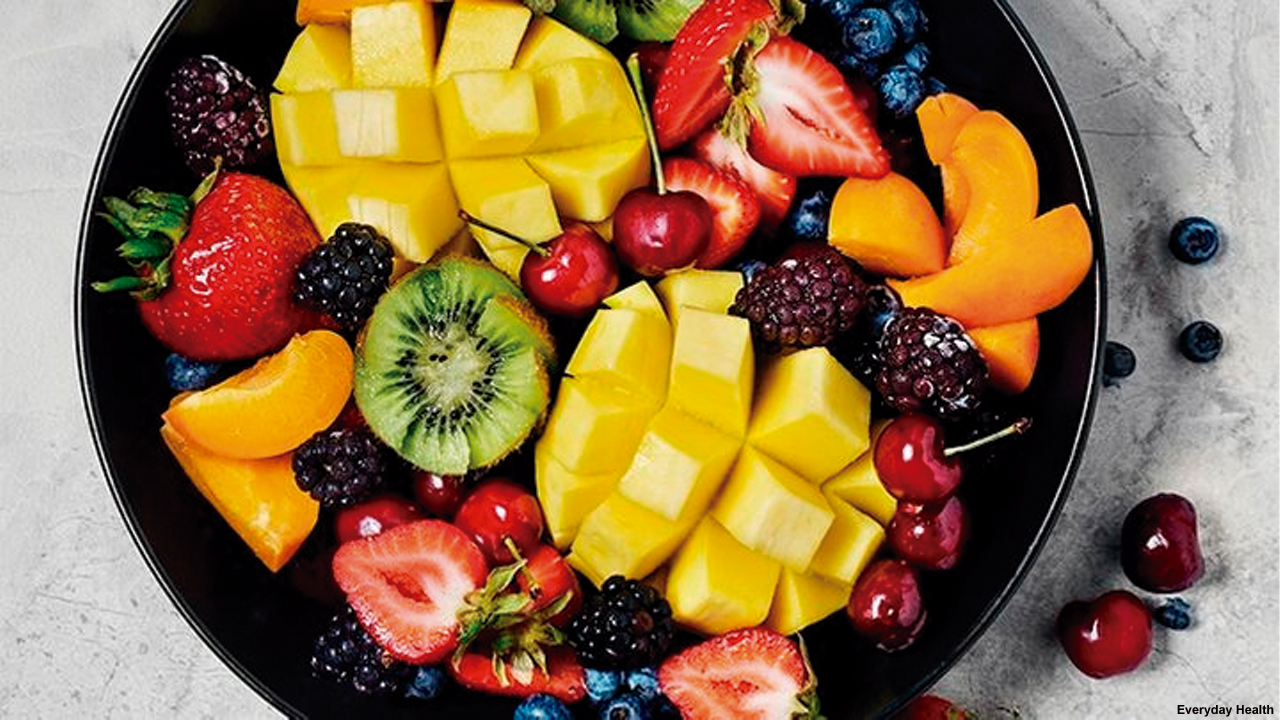
The American Diabetes Association suggests that a diabetic can consume any fruit in moderation as long as they are not allergic to them. Fruits contain natural sugars called fructose. One must avoid high caloric fruits like bananas, mangoes, grapes. Options for apples, citrus fruits, strawberries, watermelons and papaya have great fiber rich content which is best for diabetics.




-23-300x250.png)

.jpeg)








.jpg)
.jpg)
.jpg)
.jpg)
.jpg)
.jpg)
.jpg)
.jpg)
.jpg)

