 Sunday, October 11, 2026
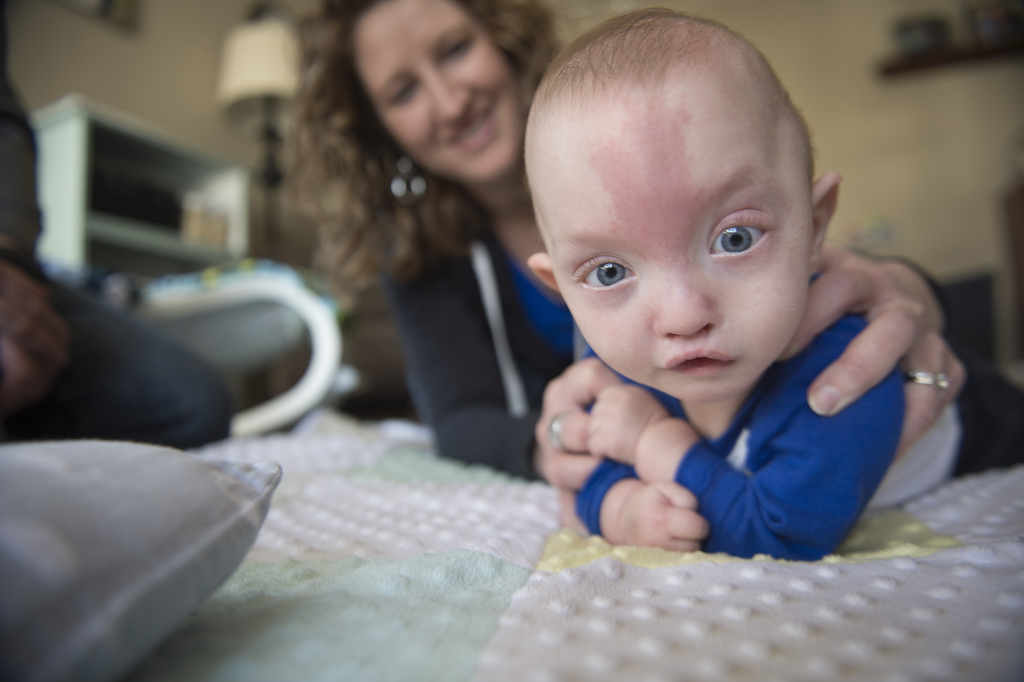
 Cri du Chat syndrome is a rare genetic disorder and is also referred by other names such as 5p- syndrome, cat’s cry syndrome, Lejeune syndrome and CdCS. There are interesting reasons why the disorder is known by so many names. This disorder takes shape very early; during the embryonic development stage itself.





Dr. Lejeune first described this syndrome in the medical literature in 1963 and named it after cat’s cry which is a symptom of this disorder. Cri du chat stands for cry of the cat in French. It’s a rare genetic disorder that occurs due to missing of a variable portion of chromosome 5. Chromosome 5 is associated with many forms of development and growth in an individual. A child born with it has the head circumference smaller than it generally is as per age and gender and is evident from the infant stage itself. Such children have difficulty in acquisition of skills that require coordination between the mental and muscular activities.
How do children suffering from Cri Du Chat syndrome appear and behave?
As the name of the disorder signifies, children suffering from it have a shrill, high pitched cry like that of a cat in the initial weeks of their lives. The mewing sounds of their cry start subsiding in pitch as they grow older. They have low weight at the time of their birth and also have hypotonia which is a diminished muscle tone due to which there is feeding difficulty in these children. It has been found in a study that only 50% of such children get independent enough to feed themselves with a spoon by the time they are three and a half years of age.
Their face is generally plump or round in an abnormal way, they have slanting eye lids, improper alignment of the upper and lower teeth and the distance between their nose to upper lip is more. They have cleft palate cleft lip, low set ears and small jaws. Their face may narrow down and become abnormally long as they grow older.
They display intellectual and psychomotor disability which are from moderate to severe in nature resulting in lesser head control, lesser control during walking or sitting up. Their speech development is low and they sometimes display self-abusive or hyperactive behaviours. As if all this is not enough, 15 – 20 % of them also have chances of suffering from hearing loss or ear infections.
Paternal origin of Cri Du Chat syndrome
Studies indicate that 80-90% of unexplained chromosome deletions that cause this disorder are paternal in origin indicating defect happening at the stage of sperm formation itself. However this syndrome gets diagnosed in more females than males. The diagnosis is done after a thorough clinical examination. Thankfully there have been improvements in diagnostics techniques and in certain cases prenatal diagnosis can find out this problem and parents can accordingly decide to move ahead with the baby or not because life for such children is tough.
Variety of therapies and treatments
Since there are so many defects in normal functioning of the child with cri du chat syndrome that a wide array of specialists are required to help them. There are well coordinated therapies and treatments that are provided by neurologists, physical and occupational therapists, speech pathologists, dentists, developmental paediatricians, orthopaedist and also cardiologist. Some symptoms like cleft lip, cleft palate, congenital heart issues clubfoot, scoliosis are treated by surgery as well.
Life Expectancy
There are upto 50, 000 live births caused annually due to this disorder. Majority of deaths associated with the symptom takes place in the first year of the life of children born with it. However, some people with cri du chat syndrome have lived upto 50 years of their lives. It is highly important to have a supportive home environment and special schooling to help such children to be able to learn and communicate adequately.
People with cri du chat syndrome have a beautiful gift of understanding if not the ability to express that well. May 5th is observed as a cri du chat syndrome day to spread awareness and understanding towards these super innocent souls and to provide them support in whichever way we can.





.jpeg)










.jpg)
.jpg)
.jpg)
.jpg)
.jpg)
.jpg)


.jpg)