 Monday, October 12, 2026
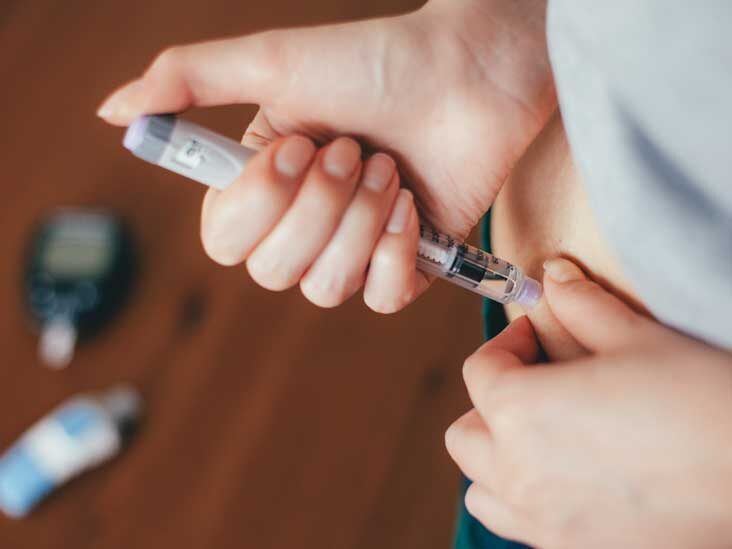
 “Insulin pen is for the patient with diabetes to inject insulin. These pens are more simple, accurate, and easy to deliver than using a vial and syringe. These might be more expensive but are faster and more effective in action.”




Insulin
Insulin is a hormone secreted by the pancreas. Insulin plays an important role in managing blood sugar levels in our body. What we eat is broken down into glucose and we get energy from this glucose. This glucose is a type of sugar that enters the bloodstream with the help of insulin. Any obstruction in insulin secretion leads to diabetes. There are two types of diabetes.
Type 1 – the body doesn’t secrete insulin in the required amount.
Type 2 – the body doesn’t respond to the orders of insulin.
Insulin Pens
It is a device used to inject insulin hormone directly into the bloodstream. It is generally used for type 1 diabetes where the insulin is not secreted by the pancreas in the required amount when beta cells fail to secret insulin naturally. With these pens, insulin is provided to our body through external means and this helps to level up the insulin in our body. High blood sugar can lead to severe health issues and sometimes even death. Insulin pen Is the best remedy.
Components of insulin pen
Cartridge – It is used to hold specified insulin prescribed by the physician to the patient.
Cartridge Holder - it keeps the cartridge in its position.
Needle – It is a disposable needle used to inject insulin
Dial – It is used to set and measure the required dosage of insulin.
Knob – the knob is being pushed to inject the insulin into the body.
How does it work?
It is injected into subcutaneous tissue which is present between our skin and muscles. The insulin is injected into these tissues so that it gets absorbs quickly.
Procedure of injecting insulin pen
Wash your hands with any of the antiseptics.
Check whether insulin is clear or cloudy, if it is cloudy then rub it between your palm for a minute to make it clear. The shaking of an insulin pen must be avoided.
Insert the needle into the cartridge by removing its paper tab. Remove the outer cap after fixing the needle and then remove the inner cap.
You need to prime the pen. Priming is a phenomenon that is used to remove air bubbles in the needle to make sure that the needle is working properly. In order to prime the needle, you need to push the knob of the pen and should allow at least 1-2 drops to appear then adjust the required dosage level.
Select the appropriate area for injecting. Mostly insulin is injected in the abdomen, front and side of thighs, upper arm, and outer arm. Keep rotating your injection site. Areas with scars and moles must be avoided. After selecting your appropriate site, inject the insulin carefully into the body.
Then wipe the injected area with alcohol. Place a bandage over the spot, if bleeding comes.
You need to unscrew the used needle and replace the outer cap. Discard the needle into your bin.
Store your insulin pen at room temperature, avoid too hot and too cold areas as this might affect the functioning of insulin.
As soon as the insulin enters our body, it controls blood sugar levels. It acts very fast. A simple shot of insulin is very much useful and effective for diabetic patients. This process is very simple, accurate, and easy to deliver.





.jpeg)










.jpg)
.jpg)
.jpg)
.jpg)
.jpg)
.jpg)


.jpg)