 Monday, October 12, 2026
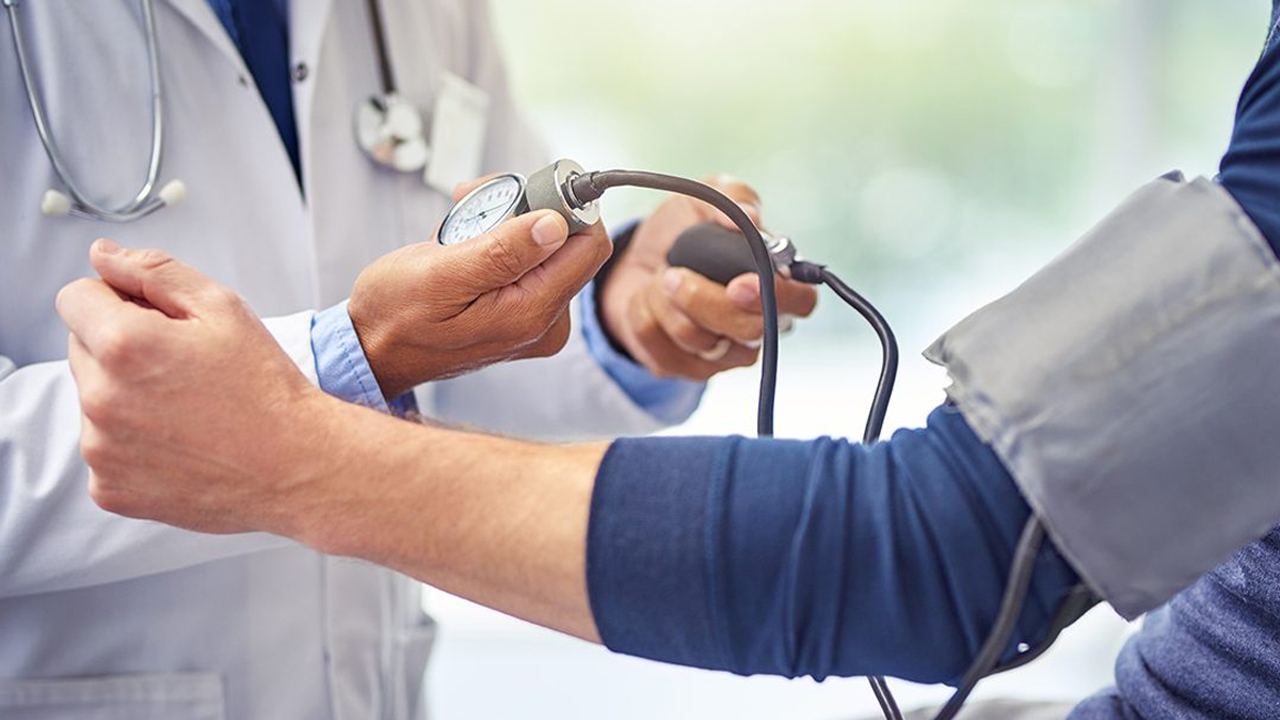
 You should take the help of a doctor to check BP, but to stay fit and healthy, you should know some easy steps to check BP.




If you have a BP checking machine at home then you can easily check BP at home. To check BP, you should know about some important points, with the help of which you can get accurate results.
How to do a BP check at home?
- According to your arm, apply the cuff on the arm.
- If the cuff is too tight, then you should loosen it a little, but avoid loosening it too much.
- Avoid eating or drinking anything 30 minutes before the test.
- You also have to avoid exercise 30 minutes before the test.
- Sit up straight and make a position to check BP, keep your back straight.
- You have to notice BP always at the same time every day. This will give you accurate results.
- When you are ready, sit down calmly and start the test.
- As soon as you turn on the machine, the BP machine will start taking the reading of your BP, after coming to a level, when the reading becomes stable, then you should note it.
How to keep breathing during the test?
There is no need to take deep breaths until the test is complete so that you can breathe only. Breathe normally. After applying the cuff, the test begins. You have to make a complete reading note to do the test and you do not have to walk or move while taking the reading note. To check BP, nowadays digital BP machines are available in which you have to remove the cuff. After the test is completed in the automatic machine, the cuff or cap comes out automatically or you may have to press the button. Remove the hand after the test is completed.
There are two types of BP
You have to note down your readings with time and date so that you know what time your BP was at what time of the day because BP changes many times a day. Let us tell you that there are two types of blood pressure. The first is systolic and the second is diastolic, the blood pressure above is called systolic and the blood pressure below is known as diastolic. The normal reading of diastolic should be less than 80 and the normal reading of systolic should be between 110 to 120.
Can take readings more than once
If you do not get accurate results from one reading, you can take the reading again. After the first reading, you can take one or two readings. You have to keep in mind that you also have to note down the results of the test. Apart from this, you also have to keep in mind that there should be a gap of 1 to 2 minutes between two tests. Try to remain as calm as you can while reading.
What is normal BP?
Talking about normal BP, its range should be 120/80, whereas if a person's BP goes below 90/60, then it can be a problem of low BP. If you see low blood pressure in two to three readings, then you should contact the doctor as soon as possible. If your blood pressure remains too low, your heart and brain may be at risk. If the blood pressure goes above 180 then it is a medical emergency, in which case you should go to the hospital immediately.
If you get readings of high or low BP, then you must consult a doctor.
(Disclaimer: The content on this site is for informational purposes only, and should not be taken as professional medical advice. Always seek the guidance of your doctor or other health professionals for any questions you may have regarding your health or a medical condition.)





.jpeg)










.jpg)
.jpg)
.jpg)
.jpg)
.jpg)
.jpg)


.jpg)