Wednesday, October 28, 2026
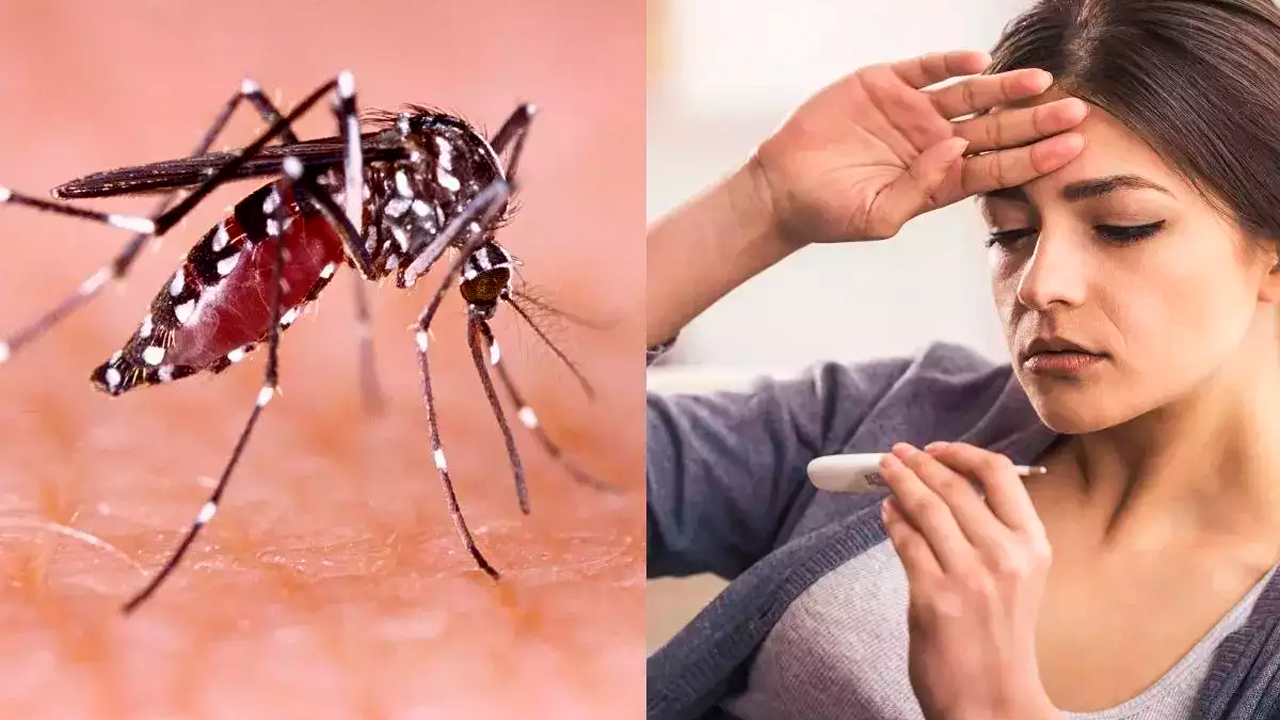
 Dengue is very common in monsoons. Let us help you know everything in detail about dengue. Knowing about dengue will help create awareness to prevent it.




Dengue can cause many health issues which can be difficult to deal. Be aware of dengue and its complications which can help prevent dengue.
What is Dengue?
Dengue is a viral infection caused by a mosquito bite which is known as Aedes Aegypti. It is accompanied by high-grade fever and bleeding in some cases.
What are the types of Dengue?
The Types of Dengue are -
- Simple dengue fever
- Dengue hemorrhagic fever DHF
- Dengue Shock Syndrome DSS
What are dengue symptoms?
The dengue symptoms are as follows-
-
Bleeding from the nose, gums, and skin
-
Petechial hemorrhages
-
Nausea
-
Vomiting
-
Black tar stools
-
GI bleeding
-
Sudden onset of fever
-
Headache
-
Pain in eyes
-
Bodyache
-
Rashes on skin
-
Discomfort with illness
When dengue should be suspected?
Dengue is suspected in cases of pain in the head with fever, muscle pain, and joint pain. The main symptom of fever break- bone fever.
Can you get dengue again after suffering from it?
It is possible to get dengue more than once. Dengue is caused by a virus that has 4 different strains. Being affected by dengue once offers no protection against dengue for a lifetime. A person can suffer from dengue more than once.
How can a dengue diagnosis be confirmed?
Dengue diagnosis can be confirmed by the diagnostic test. The test provides evidence for the occurrence of dengue infection. There are lab tests that provide direct and indirect evidence for dengue. There are some additional tests that help in identifying the type of dengue infection.
The test should be confirmed with reliable labs.
How can someone get dengue fever?
Dengue can occur following the bite of an infected mosquito called Aedes Aegypti. It breeds in clean water in small water collections in and around human dwellings. The person gets dengue virus after a mosquito bite
Can dengue spread from one person to another?
Dengue does not spread from one person to another. It only spreads through a mosquito bite of an infected mosquito. After the entry into the human body, it multiplies in the lymph nodes and symptoms develop after sufficient numbers of viruses have been multiplied in the body. This generally happens 4-6 days after getting infected with a virus.
Can people suffer from dengue and not get ill?
Yes, there are many people who get infected by viruses and may not appear ill. They may be asymptomatic where there are no signs and symptoms which may be considered mild symptoms of dengue.




-23-300x250.png)

.jpeg)








.jpg)
.jpg)
.jpg)
.jpg)
.jpg)
.jpg)
.jpg)
.jpg)
.jpg)