 Thursday, October 08, 2026
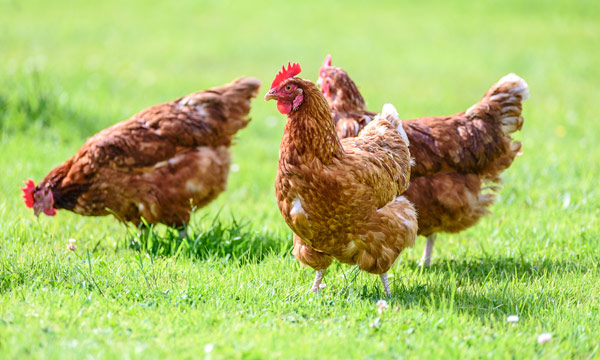
 Prevention is better than cure. It applies to avian influenza as well which is also known as bird flu. Eyes, nose, throat and lungs are the areas which get attacked by the virus of this flu. Infected birds may have virus in their mucous, saliva and faeces which gets transferred to humans.





There is again need of taking stock of preventive and control measures to prevent avian influenza that has started erupting in the country which is a matter of concern. Since adults above the age of 65, infants up to 2 years of age and pregnant ladies are in high-risk categories, they need to be extra careful.
What is avian influenza?
Avian influenza is also known as bird flu. As the name signifies, it is a viral infection that spreads among birds. However, it can also affect animals and humans. There are more than a dozen types of avian influenza or bird flu. Out of these there are four strains - H5N1, H5N6, H5N8, and H7N9 that have affected the most in recent years. You need to be careful about touching infected birds (dead or alive), coming in contact with bird droppings, killing or using infected poultry for cooking.
What are symptoms that get evident if one has been infected?
Avian Influenza symptoms are more or less similar to other flu symptoms. They start getting evident between 2-5 days of infection. You need to consult a doctor if the following symptoms persist.
- Shortness of breath
- Cough
- Sore throat
- Fever over 38°C or 100.4°F
- Muscle pain
- Body Chills
- Headache
- Runny nose
- Bleeding from the gums and nose
- Nausea
- Vomiting
- Diarrhoea
- Fatigue
- Sweating
- There can also be mild eye infection (conjunctivitis) in some cases.
How to protect oneself from avian influenza?
- It is best to avoid open air markets especially where you can come in contact with poultry and birds
- If you are cooking poultry items, ensure that they do not remain undercooked. Cooking at high heat is recommended to kill the virus.
- Do not consume raw eggs.
- There are flu shots or flu vaccines available for adults. You may consult your doctor and take it accordingly. It will reduce chances of severity from bird flu as well as the flu that might trouble you due to monsoon or changing weather.
- Take care of your hygiene. Do not forget the significance of hand wash.
It's just the initial stages of the flu now and by adopting good measures we can prevent a severe outbreak. We all have fallen into the habit of taking safety precautions due to Covid. Keep practising them.





.jpeg)








.jpg)
.jpg)
.jpg)
.jpg)
.jpg)
.jpg)


.jpg)
.jpg)
.jpg)