 Monday, October 05, 2026
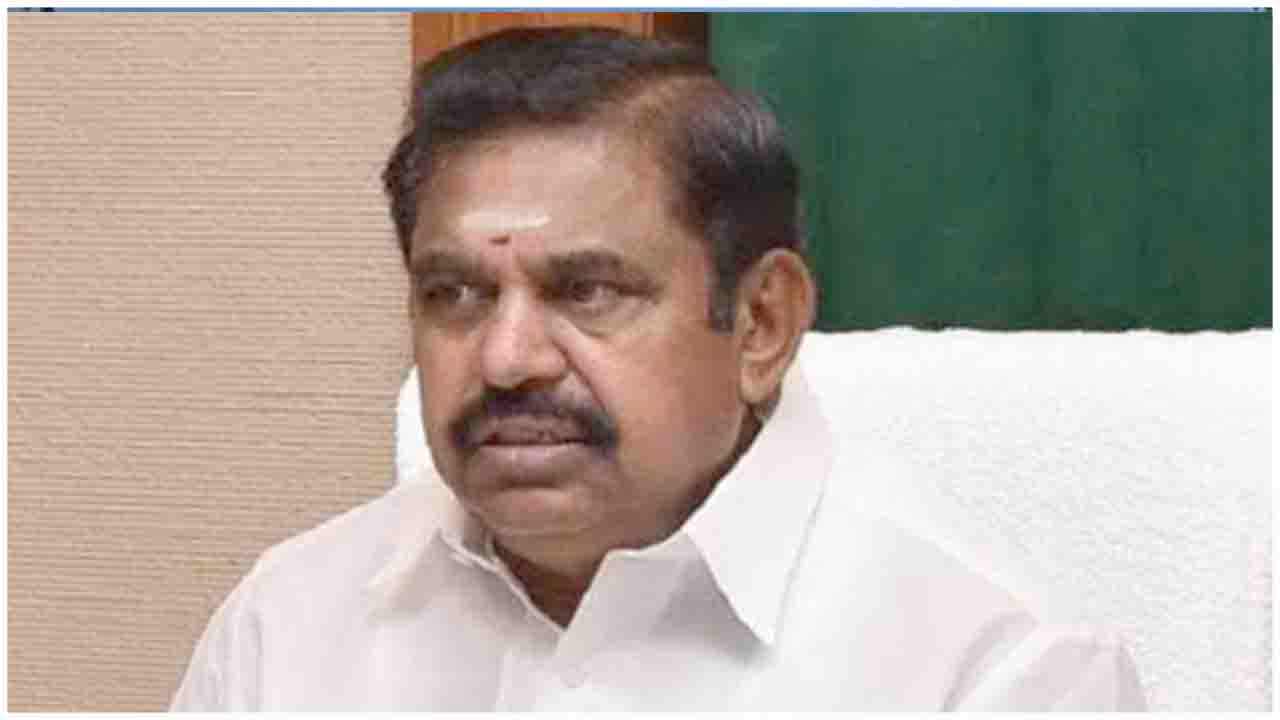
 Chennai and adjoining areas goes back to lockdown mode again to battle the pandemic effectively




In Tamil Nadu, the State Government has announced a full lockdown in Chennai and its adjoining areas from the coming Friday till the end of this month. In a statement, Chief Minister K Palaniswamy said, shops will be allowed to operate from 8 a.m. to 2 p.m. during the full lockdown. He also announced a dole of a thousand rupees each for all families with ration cards living in the region where the full lockdown is to be implemented. The unorganized labour welfare board members will also be given a relief of a thousand rupees each to help them during the time of the full lockdown.
Meanwhile, the total COVID-19 infection in Tamil Nadu has risen to 46,504 with 1,843 new cases confirmed yesterday. The new cases included 1,415 in Chennai alone. In all, 1,138 people returned back home after recovery and the active caseload remains at 20,678. Meanwhile, 44 others succumbed to the disease taking the toll to 479.
Our correspondent reports, the Tamil Nadu Government has rejected the principal opposition DMK’s charge that it is directionless in tackling the Covid-19 pandemic. Responding to the opposition leader M K Stalin’s media release that the Government is hiding the actual information on the number of victims due to the disease, the State Health Minister Dr. Vijayabhaskar has said the data are put in the public domain every day transparently. He told reporters last evening in Chennai, early detection of the infected cases and prompt medical intervention is the government’s strategy. He claimed that Chennai tops in carrying out tests saying the number of beds and medical staff strength to overcome the disease is scaled up incommensurate with the increasing caseload.
Meanwhile, the authorities are bracing themselves up to implement the full lockdown from the 19th to the 30th of this month in the worst affected Chennai and its adjoining areas rigorously.
Earlier this month Tamilnadu also had announced a cap on COVID treatment charges to battle the pandemic effectively and to ensure everyone could afford the treatment.
"In private hospitals (across grades), the per day charge for treatment in ICUs shall not exceed Rs. 15,000. In general wards, for asymptomatic patients and those with mild symptoms, the maximum is Rs. 7,500," Health Minister C Vijayabaskar said in an official press release.
For general wards in Grade A1 and A2 hospitals, no more than Rs 7,500 may be charged per day. In Grade A3 and A4 hospitals, the treatment fee ceiling for the general ward is Rs 5,000.
Chief Minister K Palaniswami ordered ceiling of COVID-19 treatment charges after getting complaints from patients and watching media reports on private hospitals charging exorbitantly, the health minister said, adding that during the pandemic, both, the government and private hospitals, shall work together.
"People's welfare initiatives, such as fixation of rates, will further augment COVID-19 treatment initiatives," said the government which announced the rates based on a report submitted on permissible charges for private hospitals by Health Secretary Beela Rajesh.
Further, the government has also fixed the rate at which it would compensate for authorised private hospitals under the Chief Minister's Comprehensive Health Insurance Scheme.
The maximum payable rate per day by the government to private hospitals on behalf of people availing COVID-19 treatment is Rs. 5,000 for general ward and Rs. 9,000 to Rs. 15,000 in the Intensive Care Unit.






.jpeg)
.jpg)
.jpg)
.jpg)
.jpg)
.jpg)
.jpg)







.jpeg)
.jpeg)


.png)