 Thursday, October 08, 2026
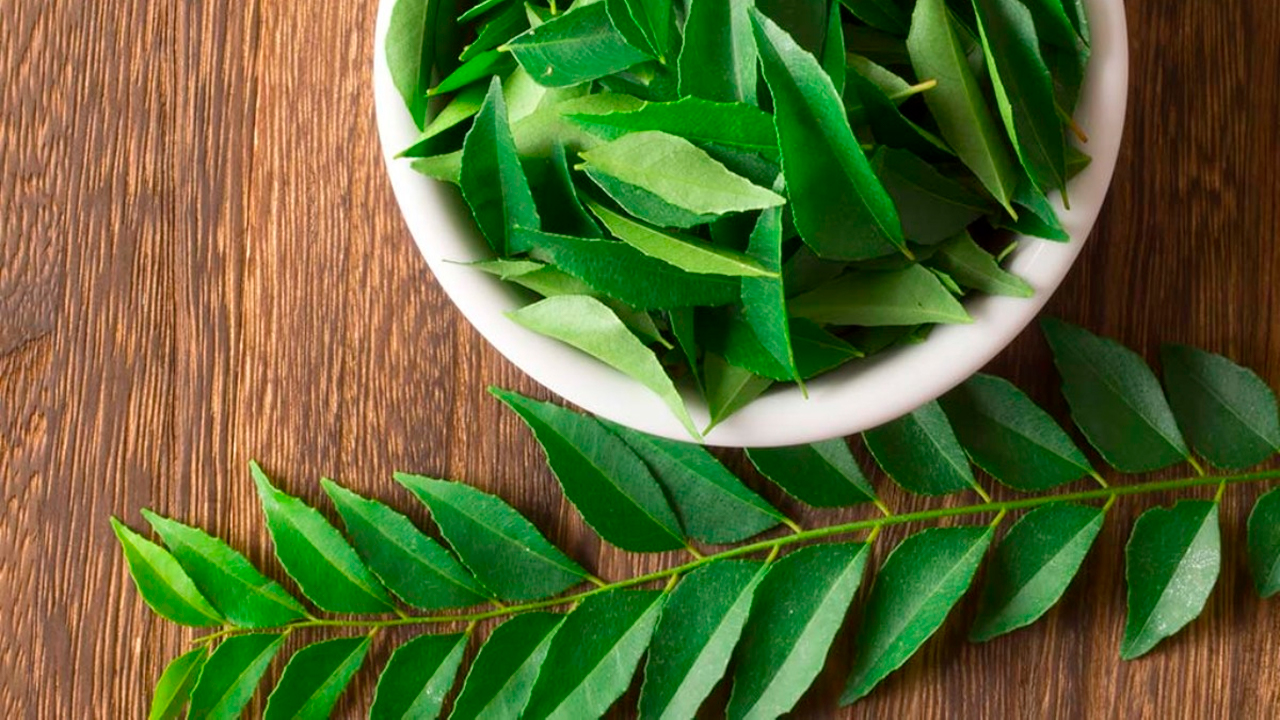
 Did you know chewing curry leaves can work wonders for hair growth? Let us unleash the benefits of chewing curry leaves for major health benefits.




Chewing curry leaves empty stomach has many health benefits. Chew some curry leaves every morning for amazing benefits like weight loss, hair growth, better digestion, and many more. The curry leaves benefits do not stop here. It has amazing benefits for the overall body. Let us check the details.
Do not miss these health benefits of curry leaves. Make your day healthier with some basic lifestyle changes and healthy practices. In long run, your body will thank you for it. Adding a few curry leaves to your morning routine can offer several health benefits. Curry leaves can be commonly found in Indian kitchens. It has a distinct flavor and aroma to food.
Did you know that these leaves can offer you a variety of health benefits? Curry leaves can be beneficial for your skin and hair. So, add a tadka to your delicious food or just simply chew it every morning on empty stomach. This practice is simple and has some surprising health benefits. Read on to know how to enjoy the health benefits of kadi patta.
Healthy benefits of chewing curry leaf on empty stomach.
- It can help you control hairfall
Curry leaves help fight hairfall. Drink a glass of water. This should be done first thing in the morning. After a few minutes, you can chew fresh curry leaves. Curry leaves are great in controlling sugar levels. They are rich in vitamin C, phosphorus, iron, calcium, and nicotinic acid. The topical application of curry leaves also works wonders for hairfall.
- Helps with new hair growth
Curry leaves help in new hair growth. Regular consumption of curry leaves is a must for new hair growth. The green leaves are rich in antioxidants which prevent radical damage and oxidative stress. Green curry leaves help in stimulating the hair follicles for longer, thicker, and denser hair.
- Helps cure dandruff
Curry leaves help cure dandruff. It takes care of any kind of scalp infection by building better immunity. One should make sure to have curry leaves religiously in the morning daily. Curry leaves help keep infections at bay for a better lifestyle.
- Curry Leaves help in relieving itchy and dry scalp
If you are battling with an itchy and dry scalp, curry leaves are the best option. It has active ingredients which relieve the itchiness of the scalp and help in the recovery of the dry scalp. Oiling your scalp with curry leaves infused coconut oil works great for the scalp.
So, get started with chewing curry leaves and enjoy the amazing benefits of healthy hair.





.jpeg)








.jpg)
.jpg)
.jpg)
.jpg)
.jpg)
.jpg)


.jpg)
.jpg)
.jpg)