 Saturday, October 10, 2026
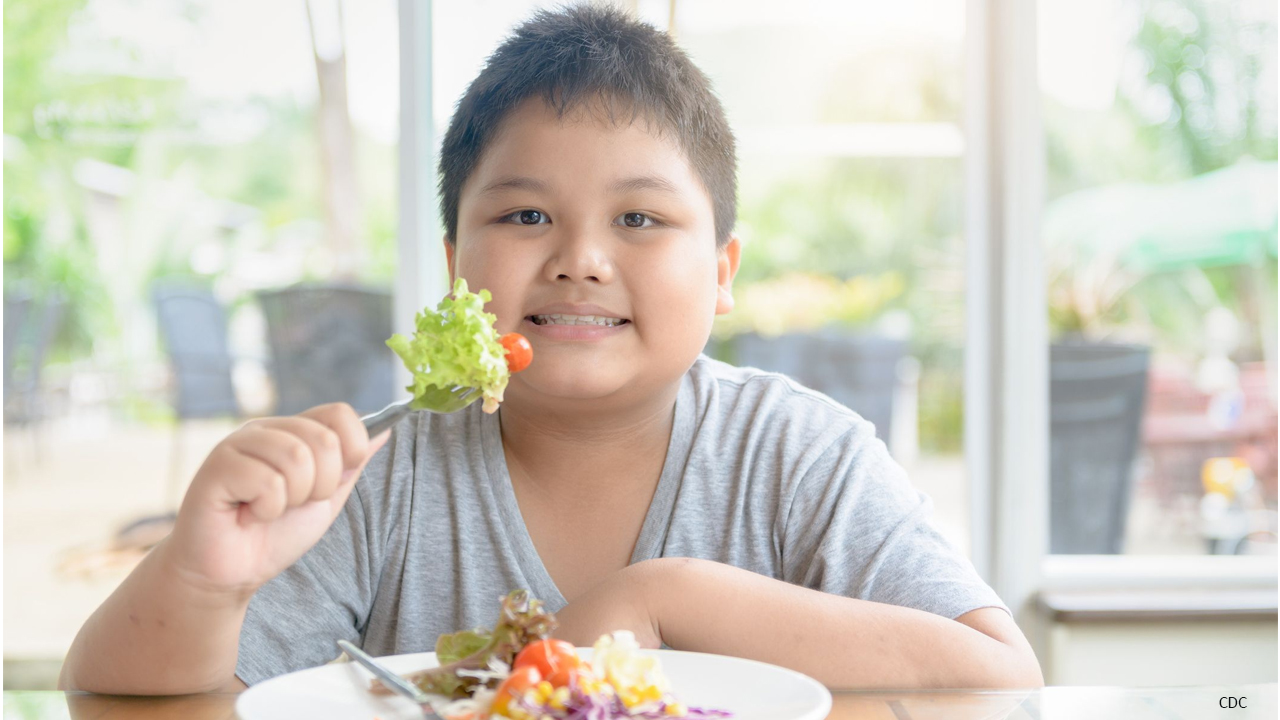
 “Parents should promote a healthy lifestyle as they are very much responsible for shaping children's life.”




Obesity is a serious health problem. But at the same time, it is also important to consider that it is not a disease but a condition that can easily be managed. Children of the present generation are becoming the latest victims of obesity. Parents need to put extra effort to prevent their children from becoming obese. 30% of children in metros are obese. Obese children are unhealthy which increases the risk of diseases in their adulthood.
Are parents responsible or not?
Children don't have an idea what's right or wrong because they are small. It's the first most and important duty of parents to make them understand the consequences of obesity in their future life. It's the mindset of Indian parents that their children should be bulky and chubby, without knowing the fact that overweight or obese is unhealthy.
It is the lifestyles which have to be blamed for our children obesity – Eating junk foods, No Exercises.
Consequences – A child can get physically, socially, emotionally disturbed.
Teasing and bullying of the child can lead to depression and low self-esteem.
Anxiety and poor social skills.
Type 2 Diabetes – Due to low physical activity, the body is unable to metabolize sugar efficiently results in increased sugar levels.
Increased BP and Cholesterol – Build up plaque in the blood vessels, hindering smooth blood flow and causing the heart to work harder to pump blood.
Liver Disease – Fat accumulates in the liver leading to liver damage and scarring.
Respiratory disorder – Many obese children find it difficult to breathe, sometimes diagnosed they even get -with asthma.
Not all children who have extra kilos are obese. One cannot determine that the child is obese or overweight just by looking at them because every child is different and has a unique body frame. If you are seeking a doctor, he will check your child's weight and height to see the proportion. He can also calculate the child's BMI. Most doctors can prescribe some weight loss supplements. But it is good to use natural remedies to avoid or reduce a child's obesity. Some of these are –
Stop giving sugary or fatty snacks to the child.
Give low cholesterol food to the child.
The child's food should consist of green leafy vegetables and fruits. One can give some dairy products too.
A child should consume enough quantity of water for good digestion.
Despite giving 2 heavy meals, it is good to give 4-5 small meals at regular intervals.
Increase physical activity of child such as walking, swimming, cycling, skipping. This will increase the rate of metabolism and will be able to burn the excess fat.
The child should do exercise in such a manner that your body should sweat.
What WHO has to say
As per WHO, the promotion of healthy diets and regular, adequate physical activity are major factors in fighting the childhood obesity epidemic. In making healthy food and beverages available at home and in providing, supporting, and encouraging opportunities for physical activity, parents can influence their child's behavior.
Simultaneously parents are advised to live and promote a healthy lifestyle because children's behavior is often shaped by observation and adaption.





.jpeg)










.jpg)
.jpg)
.jpg)
.jpg)
.jpg)
.jpg)


.jpg)