 Friday, November 20, 2026
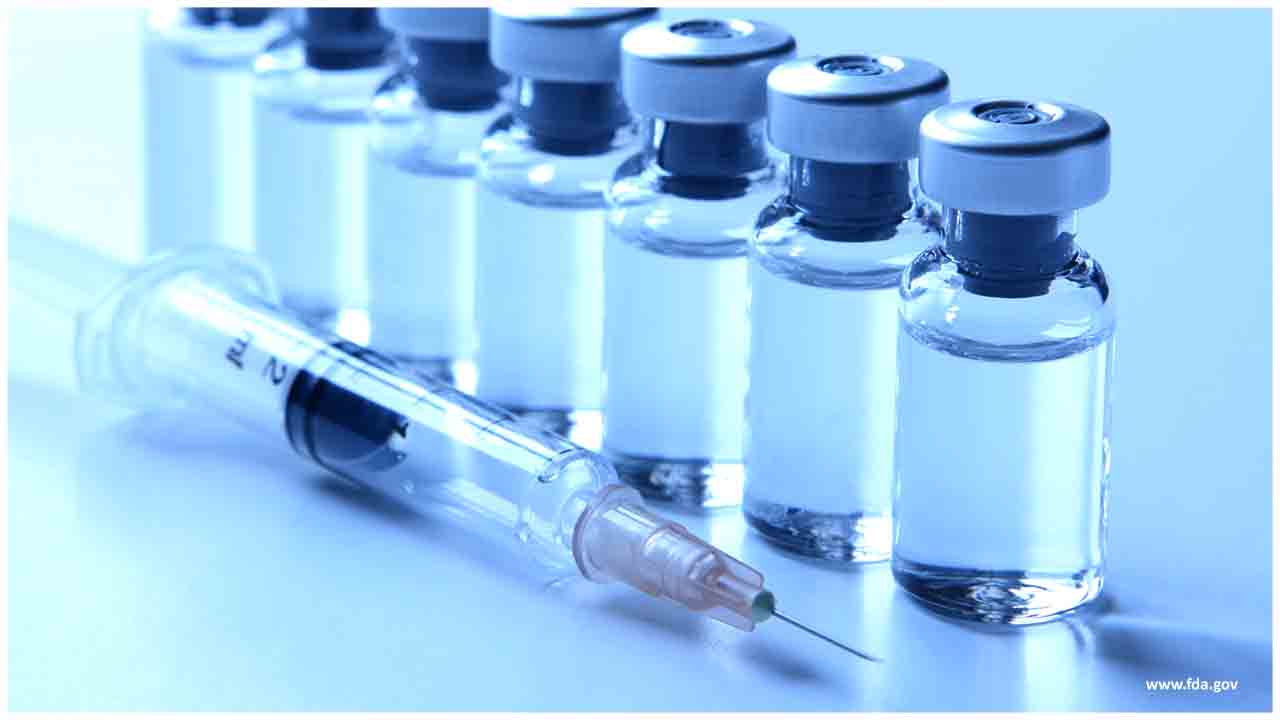
 An emergency use authorisation, which is based on Chinese vaccine management law, allows unapproved vaccine candidates to be used among people who are at high risk





China has approved crisis use of COVID-19 antibodies created by some select local organizations, a Chinese wellbeing official has said.
A crisis use authorization, which depends on the Chinese antibody the executive's law, permits unapproved immunization possibility to be utilized among individuals who are at high danger of getting tainted on a restricted period.
"We've drawn up a progression of plan bundles, including clinical assent structures, symptoms checking plans, protecting plans, remuneration plans, to ensure that the crisis use is all around directed and observed," Zheng Zhongwei, top of China's coronavirus antibody improvement team, told state-run CCTV on Saturday.
One month has gone since China formally propelled the earnest utilization of COVID-19 antibodies on July 22, while the immunizations were experiencing clinical preliminaries, Zheng said.
Beneficiaries who got their first portion from that point forward uncovered they had not many antagonistic responses and none detailed a fever.
As indicated by China's Law on Vaccine Management, when an especially extreme general wellbeing crisis happens, antibodies in clinical preliminaries can be utilized in a restricted extension to secure clinical and plague counteraction staff, outskirts officials, and others working in stable city activities, Zheng said.
State-run Global Times has recently announced that representatives of state-possessed endeavors (SOEs) planning to travel to another country and cutting edge surgeons have been offered two options of household inactivated immunization competitors created by Sinopharm for pressing use.
On Thursday and Friday, Sinopharm consented to collaboration arrangements on stage III clinical preliminaries of inactivated immunizations with Peru, Morocco, and Argentina.
Zheng noticed that for the following stage of forestalling a potential episode this harvest time and winter, immunizations' accessibility will be reached out to individuals working in food markets, transport frameworks, and administration businesses.
The number of individuals being immunized on a pressing premise may arrive at several thousand across China, taking into account that the workforce in more extensive divisions is being offered free infusions, said Tao Lina, a Shanghai-based immunology master, on Sunday.
"In any case, it's hard to give a precise figure since the Chinese military has started mass inoculations however has not delivered subtleties," Tao said.
Wu, a representative of a state-claimed organization dealing with abroad development ventures along the Belt and Road Initiative (BRI) in Asian and African nations, told the Global Times on Sunday that all staff in her firm have been offered inactivated antibody infusions on an intentional reason for nothing.
Wu, who took the antibody on August 7 alongside huge numbers of her partners, said she didn't encounter any unfavorable responses, like every other person in her gathering.
"My partners and I felt just somewhat discombobulated on the evening of the immunization, however, we got over it before long. There was no neighborhood redness, expanding or agony, and we didn't know about anybody detailing a fever," said Wu, who will take her second portion on day 28 after the principal shot.
"Individuals appear to be loose over the inoculation as the greater part of us feel positive about locally created immunizations," she said.
One of Sinopharm's inactivated COVID-19 antibodies on August 13 was uncovered to have had a low pace of antagonistic responses for patients in stage I and II clinical preliminaries, while additionally showing immunogenicity results.
The inactivated immunization will be successful against every single recognized strain of the infection at any rate as of mid-July, with lower possibilities and degrees of unfriendly responses than same-type antibody applicants under exploration, Yang Xiaoming, head of Sinopharm, told the Global Times in a prior meeting.
Yang said on Saturday that more than 20,000 individuals in the United Arab Emirates had taken inactivated COVID-19 antibodies created by Sinopharm in stage III clinical preliminaries, which have demonstrated a significant level of security. The viability of the antibody is under perception.
The stage III preliminary in the UAE has had no announced instances of symptoms up until now," Yang stated, including that "volunteers joined quicker than anticipated and the antibody was certainly justified regardless of the pause".




-23-300x250.png)





















