 Sunday, October 11, 2026
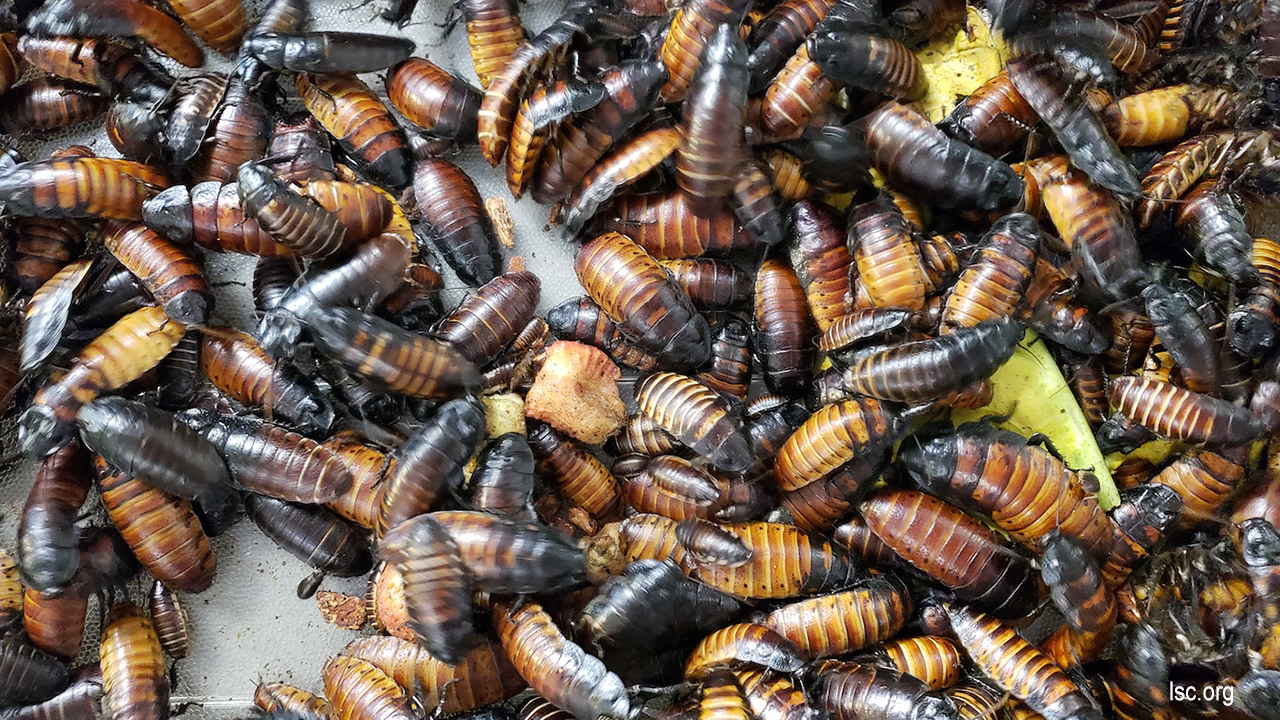
 There are several cockroach breeding facilities in China, but none can match the productivity of the farm in the city of Xichang, in southwestern Sichuan province.




6 billion adult cockroaches are bred in a year in the world's largest cockroach farm and artificial intelligence is used to manage a colony larger than the world’s human population, entirely for medical useIt is for a “healing potion” production taken by millions of patients in China.
There are several cockroach breeding facilities in China, but none can match the productivity of the farm in the city of Xichang, in southwestern Sichuan province. Articulately colonized, there are 28,000 full-sized cockroaches per square foot produced every year, the Sichuan government said.The first time in history such a huge population of cockroaches is confined and bred in one space. The project achieved so many “scientific and technological breakthroughs” that it deserved a national science award, the provincial government said.
Surprisingly, scientists say, cockroach milk is one of the world’s most nutritious and calorie-rich substances.he facility achieved its unrivalled efficiency partly by being controlled by a “smart manufacturing” system powered by artificial intelligence (AI) algorithms, according to the report.
In the farm, the AI system refers to many past findings, self-adjusting to optimize production.
Rustling in the darkness
Good doctor Pharmaceutical Group of Chengdu, Sichuan, operate the farm that confirms the validity of the government document but could not provide much-intricated details of the business.
The miracle-like cure
A cockroach is an ingredient to traditional Chinese medicine for thousands of years.
Reams of Chinese medical journals print have detailed findings suggesting the effect of the cockroach potion.
Patients suffering burns or serious stomach inflammations recovered faster with the potion treatment than without, consistent with numerous studies.
Patients learn Latin
There is a potentially major disadvantage to the potion, consistent with the CAMS researcher, who requested to not be named. “The source of staple, to most of the people, is disgusting,” she said. “That is a crucial reason why the utilization of the potion isn't found in other countries.The potion isn't purchasable over the counter, but the Post has bought it during a drug store in Beijing without being asked for a doctor’s prescription.
A pack containing two bottles of 100ml cost a touch quite 50 yuan (US$8).On the packaging and within the user instructions, just one ingredient was listed: American cockroach, the Latin name of the American cockroach, one among the most important cockroach species.
The internet has played host to lively discussions about the drugs, referred to as kangfuxin ye, or “potion of recovery”.Several patients who had consumed the potion told the Post they weren't conscious of its content once they drank it. Pharmaceutical Group in Beijing, has denied the corporate misleads patients by pertaining to the enormous cockroach by its academic name.Some patients with chronic stomach illness were taking the potion regularly because it could relieve their pain significantly, she said.






.jpeg)










.jpg)
.jpg)
.jpg)
.jpg)
.jpg)
.jpg)


.jpg)