 Friday, November 20, 2026
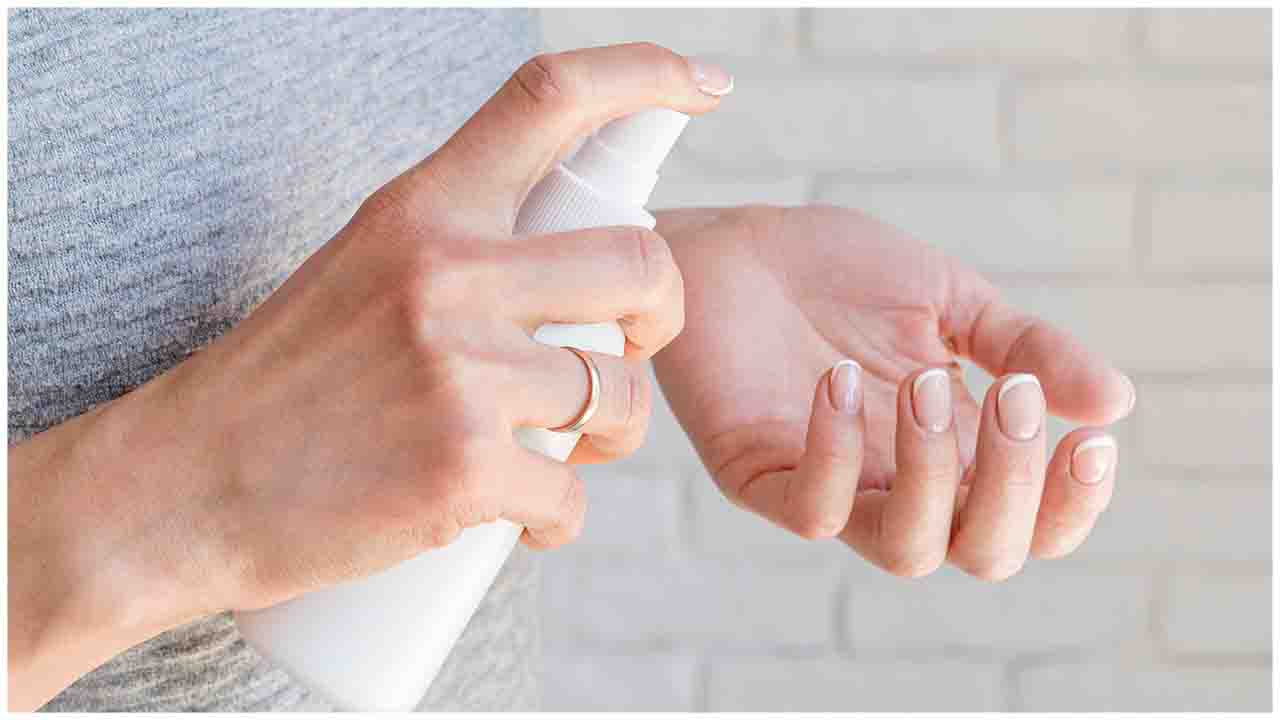
 Citriodiol had anti-viral properties if mixed with the virus in the liquid phase and on a test surface





Citriodiol, an ingredient found in insect repellant, may kill novel coronavirus, according to British researchers. The ingredient extrapolated from the eucalyptus citriodora tree was studied for its use as a protective layer against SARS-CoV-2 by the UK’s military, according to a release by the Ministry of Defense.
The team of researchers out of the UK’s Defence Science and Technology Laboratory (Dstl) investigated the antiviral properties of Citriodiol against coronavirus by using a mosquito repellant, Mosi-guard, which contains Citriodiol as an active ingredient, the release stated. The insect repellant was applied to a liquid drop of the virus and then to a synthetic skin made of latex.
Citriodiol, an ingredient found in insect repellant, may kill the novel coronavirus, according to British researchers. (iStock)“One minute liquid suspension tests indicated that Mosi-guard Natural has anti-viral activity against SARS-CoV-2 isolate if mixed with the virus in the liquid phase. Additionally, viral studies on latex indicated that Mosi-guard Natural had antiviral activity against SARS-CoV-2 England-2 isolate," the UK report stated.
Back in May, UK Defense Secretary Ben Wallace confirmed that the British Armed Forces were using the insect repellant on a precautionary level as another potential layer of protection against the novel coronavirus, which was based on the advice of the UK surgeon general, who said it was unlikely to be harmful, according to an article in Science Focus.
“We are very excited by these findings and have several new studies either already going through laboratories or planned," Jacqueline Watson, managing director of Cetrifine, which produces Citriodiol, stated in a release on the company’s website.
The researchers stated in the report that “this research paper demonstrates preliminary findings on the effectiveness of Citriodiol against COVID-19.”
“Dstl is hopeful that the findings in this research can be used as a springboard for other organizations to expand and develop the research, as well as to confirm the findings in this publication," the study authors added.
Citriodiol is approved by the U.S. Environmental Protection Agency (EPA) and recommended by the U.S. Centers for Disease Control and Prevention (CDC) for use against mosquito bites, which can ultimately help to prevent the spread of mosquito-borne diseases.





-23-300x250.png)





















