 Friday, October 09, 2026
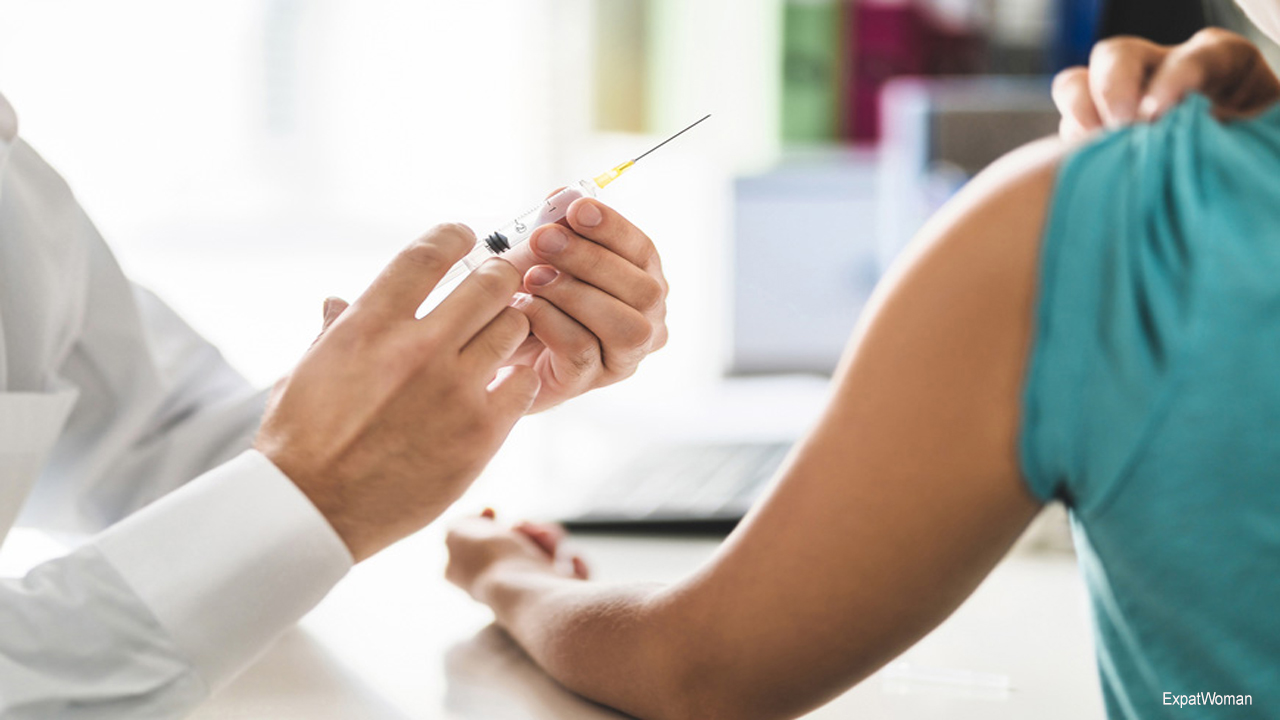
 COVAX has guaranteed access to a portion of the first wave of production, followed by volume scales as further supply becomes available




COVAX, the global initiative to ensure rapid and equitable access to COVID-19 vaccines for all countries, regardless of income level, yesterday announced that it had arrangements in place to access nearly two billion doses of COVID-19 vaccine candidates, on behalf of 190 participating economies. For the vast majority of these deals, COVAX has guaranteed access to a portion of the first wave of production, followed by volume scales as further supply becomes available. The arrangements announced yesterday will enable all participating economies to have access to doses in the first half of 2021, with first deliveries anticipated to begin in the first quarter of 2021 – contingent upon regulatory approvals and countries’ readiness for delivery.
Given these are arrangements for 2 billion doses of vaccine candidates which are still under development, COVAX will continue developing its portfolio: this will be critical to achieve its goal of securing access to 2 billion doses of safe and effective, approved vaccines that are suitable for all participants’ contexts, and available by the end of 2021. However, yesterday’s announcements offer the clearest pathway yet to end the acute phase of the pandemic by protecting the most vulnerable populations around the world. This includes delivering at least 1.3 billion donor-funded doses of approved vaccines in 2021 to the 92 low- and middle-income economies eligible for the COVAX AMC.
The new deals announced include the signing of an advance purchase agreement with AstraZeneca for 170 million doses of the AstraZeneca/Oxford candidate, and a memorandum of understanding (MoU) with Johnson & Johnson for 500 million doses of the Janssen candidate, which is currently being investigated as a single dose vaccine.. These deals are in addition to existing agreements COVAX has with the Serum Institute of India (SII) for 200 million doses – with options for up to 900 million doses more – of either the AstraZeneca/Oxford or Novavax candidates, as well as a statement of intent for 200 million doses of the Sanofi/GSK vaccine candidate.
In addition to this, COVAX also has – through R&D partnership agreements – first right of refusal in 2021 to access potentially more than one billion doses (based on current estimates from the manufacturing processes under development) that will be produced, subject to technical success and regulatory approval, by candidates in the COVAX R&D Portfolio.
“This commitment is evidence that the world learned an important lesson from the 2009 H1N1 pandemic. Our research and development efforts have begun to pay off. We now have safe and effective vaccines that can protect against COVID-19 and a clear pathway to securing 2 billion doses for the populations at greatest risk all around the world,” said Dr Richard Hatchett, CEO of the Coalition for Epidemic Preparedness Innovations (CEPI).
“Securing the right of first refusal of successful vaccine production as part of R&D arrangements has helped guarantee equitable access to vaccines, a founding principle of CEPI. The challenge of delivering the vaccines that have demonstrated success, of completing the development of other promising vaccine candidates to further increase supply, and of ending the acute phase of the pandemic, lies ahead of us.”
Alongside boosting its pathway to two billion doses of approved vaccines through direct agreements with manufacturers, the COVAX Facility has also opened another potential source of vaccines. Published today, the Principles for Dose-Sharing provide a framework for higher-income economies to make additional volumes secured via bilateral deals available through the Facility primarily to AMC participants, on an equitable basis. These principles outline that such doses must be safe and effective, available as early as possible and should be available in substantive volumes as early as possible in 2021 to enable rapid and flexible deployment by the Facility – supporting the overall goal of equitable access.






.jpeg)










.jpg)
.jpg)
.jpg)
.jpg)
.jpg)
.jpg)


.jpg)