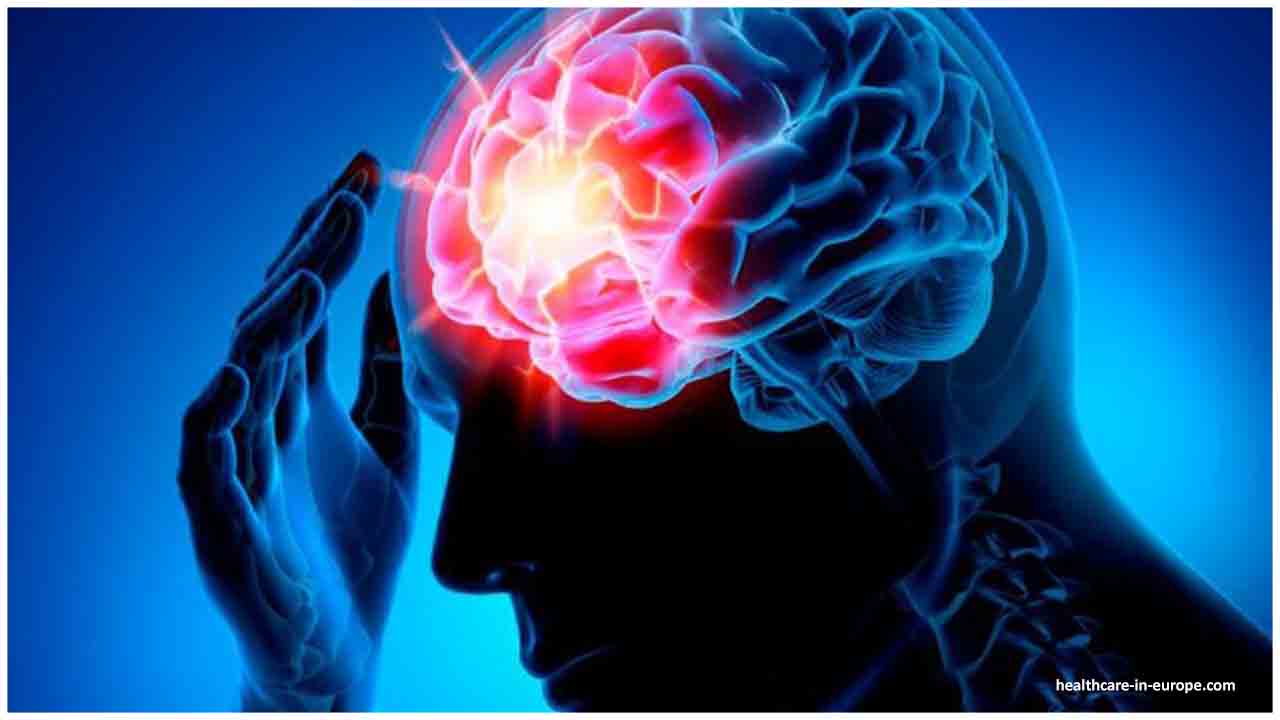
COVID linked brain damage is going to be a reality


Deprecated: strlen(): Passing null to parameter #1 ($string) of type string is deprecated in /home/medicircle/public_html/script_newsdetails.php on line 75
▴ covid-linked-brain-damage-reality
The most common brain complication seen was a stroke.

COVID-19 shows a mismatch between viral hotspots within the body and sites of inflammation and organ damage, suggesting that immune responses, instead of the virus itself, are liable for the death. Numerous studies have suggested that the system contributes to the organ damage seen in some severe cases of COVID-19.

A recent study of patients that are hospitalized with Covid-19 symptoms has found the disease can damage the brain and shows severe effect, causing complications like stroke, inflammation, psychosis, and dementia-like symptoms in some severe cases. The findings are the primary detailed check out a variety of neurological complications of Covid-19, the researchers said, and underline a requirement for larger studies to seek out the mechanisms behind them and assist the look for treatments.

As every week passes, it's becoming increasingly clear that coronavirus can trigger an enormous range of neurological problems. During a lockdown, there was a fall within the number of emergency stroke admissions. a part of the trigger for the strokes was a huge overreaction by the system which causes inflammation within the body and brain.

Now the most common brain complication seen was a stroke, which was reported in almost 77 of 125 patients. Of these, most were in patients over 60, and most were caused by a blood clot within the brain, referred to as a stroke. The study also found that 39 of the 125 patients showed signs of confusion or changes in behavior reflecting an altered psychological state. One of those, nine had unspecified brain dysfunction, referred to as encephalopathy, and 7 had inflammation of the brain.


Tags : #COVID-19 #braindamage

Related Stories

Loading Please wait...

-Advertisements-


Trending Now

Digital Identity Fraud in Healthcare: What India Must KnowNovember 18, 2026
Wearables in Clinical Care: When Should Doctors Trust the Data?November 18, 2026
Cybersecurity for Medical Startups: What Founders MissNovember 18, 2026
Remote Patient Monitoring: The Next Phase of Virtual CareNovember 18, 2026
Digital Health Wallets: Future of Medical Records in IndiaNovember 17, 2026
How Hospitals Can Prepare for a Transparent Healthcare MarketNovember 17, 2026
Childhood Nutrition: Understanding Micronutrient Gaps Beyond CaloriesNovember 16, 2026
Anaemia in Adolescent Girls: Connecting Prevention, Testing and Nutrition SupportNovember 16, 2026
Health Information Exchanges in India: Are Medical Records Finally Going Portable?November 16, 2026
Hospital Accreditation in 2026: What Is Changing Beyond the Checklist?November 16, 2026
Digital Insurance Platforms and India's Health Coverage FutureNovember 14, 2026
ABDM 2.0: India's Digital Health Ecosystem FutureNovember 14, 2026
Vaccine Cold-Chain Management: Protecting Immunisation Quality From Storage to DeliveryNovember 14, 2026
Foodborne Illness Surveillance: How Public Health Systems Track RisksNovember 14, 2026
Interoperability in Indian Healthcare: Why Patient Data Still StrugglesNovember 13, 2026
Tuberculosis Contact Screening: How Preventive Care Works Around ExposureNovember 13, 2026
COPD Care in India: Linking Diagnosis, Inhaler Education and Follow-UpNovember 13, 2026
Management of ANCA Glomerulonephritis: Induction & Maintenance ProtocolsNovember 12, 2026
Smart Hospital Command Centres Transforming IndiaNovember 12, 2026
Gamma Knife Surgery in India: What You Need to KnowNovember 12, 2026