 Thursday, October 08, 2026
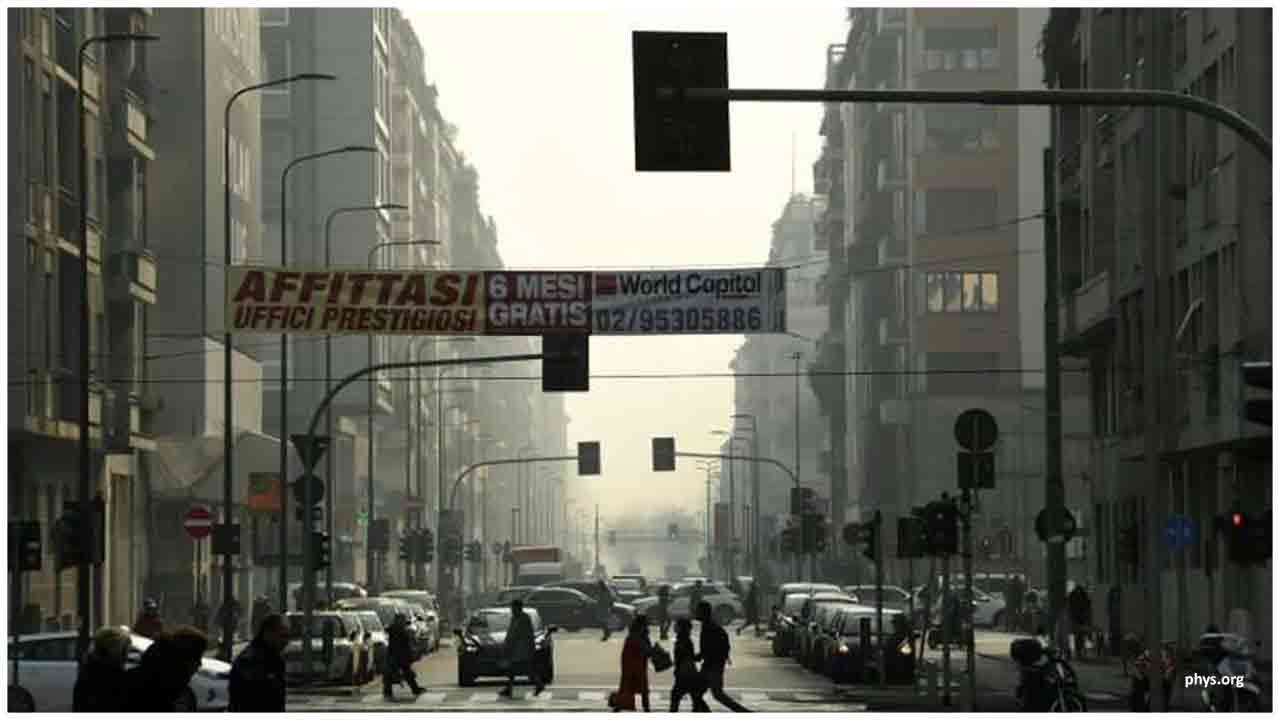
 European Environment Agency calls for strong action to protect most vulnerable in society




Cutting air contamination and improving green spaces in urban areas would quickly improve the wellbeing of the most unfortunate individuals in the public eye, a report from Europe's natural guard dog has been found.
Natural elements cause more prominent harm on the strength of those in destitution, who as of now endure a lopsidedly more noteworthy weight of ailment, than on the happier, as per the European Environment Agency. Measures that lessen air contamination and give individuals more noteworthy admittance to parks and comparable comforts are well inside the scope of governments.
"Solid activity is expected to ensure the most defenseless in our general public, as neediness regularly goes along with living in poor ecological conditions and unforeseen weakness," said Hans Bruyninckx, the leader overseer of the EEA. "Tending to these associations must be important for a coordinated methodology towards a more manageable and comprehensive Europe."
Needy individuals are bound to live in zones with high air contamination, which causes 400,000 unexpected losses in Europe every year, and commotion contamination, which adds to 12,000 unexpected losses a year and raises feelings of anxiety. They are likewise prone to have less admittance to green and "blue" spaces –, for example, riversides, lakes, and beachfront territories – which an expanding collection of work shows are significant for acceptable physical and emotional wellness.
The EEA found that nations with the less social imbalance and cleaner conditions additionally indicated improved wellbeing, with Norway and Iceland demonstrating the least level – 9% – of passings owing to natural elements, while in Albania the extent was more than one out of five, and in Bosnia and Herzegovina more than one out of four.
Heatwaves, made more successive by the atmosphere emergency, are another natural factor prompting passings, yet other developing issues are additionally affecting. Anti-toxins found in sewage can spread antimicrobial opposition, as can the abuse of anti-toxins in concentrated cultivating, and diseases from multi-drug-safe microscopic organisms cause 25,000 passings in the EU every year.
The Covid emergency has underscored how individuals' wellbeing is influenced by their admittance to clean air and green spaces, with research recommending potential connections between air contamination and more awful results for the individuals who contract the infection. The EEA said it was inspecting the possible connections.
Stella Kyriakides, the EU magistrate for wellbeing and sanitation, stated: "Coronavirus has been one more reminder, making us intensely mindful of the connection between our environments and our wellbeing, and the need to acknowledge the clear issues – how we live, devour and produce is averse to the atmosphere and effects contrarily on our wellbeing."
The cost for individuals' strength of poor ecological quality has regularly been overlooked, even while governments have perceived the effect of related issues, for example, stoutness, said Catherine Ganzleben, creator of the EEA report distributed on Tuesday. Air contamination prompts the unexpected passing of 400,000 individuals per year in Europe, however governments have neglected to take the measures required – from guidelines on vehicle discharges to better open vehicles, cycle paths, and the person on foot arranging – to improve it.
"We have to move away from the single-issue approach, and from the simple natural point of view," Ganzleben told the Guardian. "A significant part of the weight of ailment falls on the most defenseless, and we have to recognize and handle that by taking a gander at individuals' general prosperity and the connections between condition, wellbeing, and riches in a coordinated manner."
Improving individuals' wellbeing can likewise thus beneficially affect the earth, as indicated by Ganzleben. Heftiness is the main source of sick wellbeing, and eating not so much meat but rather more foods grown from the ground can help individuals with weight reduction. Such a difference in diet would likewise improve the earth, as concentrated agribusiness for meat creation offers to ascend to alkali, which adds to the particulate issue that is the most hurtful type of air contamination, just as delivering enormous amounts of ozone harming substances that strengthen the atmosphere emergency.





.jpeg)










.jpg)
.jpg)
.jpg)
.jpg)
.jpg)
.jpg)


.jpg)