 Saturday, October 10, 2026
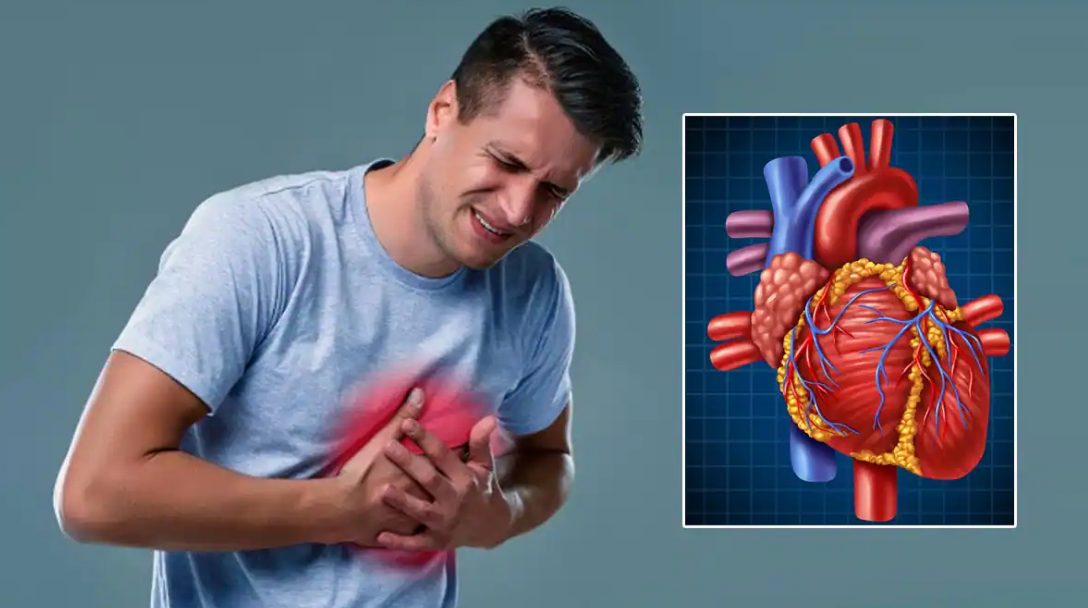
 Heart diseases can be prevented. One needs to take proactive measures to protect their heart. However, a sedentary lifestyle can significantly increase your chances of getting heart disease. There are many myths relating to heart diseases, here we are demystifying them with proper facts





Heart failure means the heart has stopped working
In heart failure, the heart is able to work but not that hard enough to meet the body’s metabolic demands.
Medicines can be stopped if I am feeling good
You should not stop taking your heart medicines without consulting doctors or medical professionals. Further continuing medications, prevent other complications of heart failure like heart attack, stroke.
I am young, So I don’t need to worry about heart disease
Although heart failure is more common in the elderly population, it may occur in young generations too. However, reasons may vary for heart failure in young and elderly age groups. Our younger generation is leaning more towards an unhealthy lifestyle (smoking, drinking, drugs) which is the main cause of heart failure in the young population.
I can’t exercise after I’ve had a heart failure
It is very important for people with heart failure to exercise provided they are stable and relatively free from symptoms. It is important not to perform rigorous exercises. Doing exercise in the proper manner under the guidance of your doctor will help to improve blood flow, increase stamina and strengthen your muscles.
Heart disease runs in family, I can’t do anything to prevent it
You cannot change your family history, but by controlling diabetes, high blood pressure and high blood cholesterol, smoking cessation, maintaining an ideal weight, keeping physically active, and other measures, the risk of heart attack and heart disease can be reduced, thereby reducing the risk of heart failure as well. We can prevent heart failure by preventing its causative factors like high blood pressure, alcohol, and drugs. However, there are some causes of heart failure such as cardiomyopathy and myocarditis which cannot be entirely prevented.
Once heart failure sets in, there is no cure and the heart will never recover
Heart failure due to certain conditions like hypertension and myocarditis can be reversed. Many patients with chronic heart failure after recovery are able to live normal lives and perform all their daily routine activities just like a normal person. With proper treatment, heart functions and the body's metabolic demands can be well-adjusted.
Get your heart checked at a regular interval (annual body check-up) to ensure that it remains healthy. This will help in the early diagnosis of any condition if spotted and timely treatment can very well prevent a fatality.
Disclaimer: The content on this site is for informational purposes only, and should not be taken as professional medical advice. Always seek the guidance of your doctor or other health professionals for any questions you may have regarding your health or a medical condition.





.jpeg)










.jpg)
.jpg)
.jpg)
.jpg)
.jpg)
.jpg)


.jpg)