 Tuesday, October 27, 2026
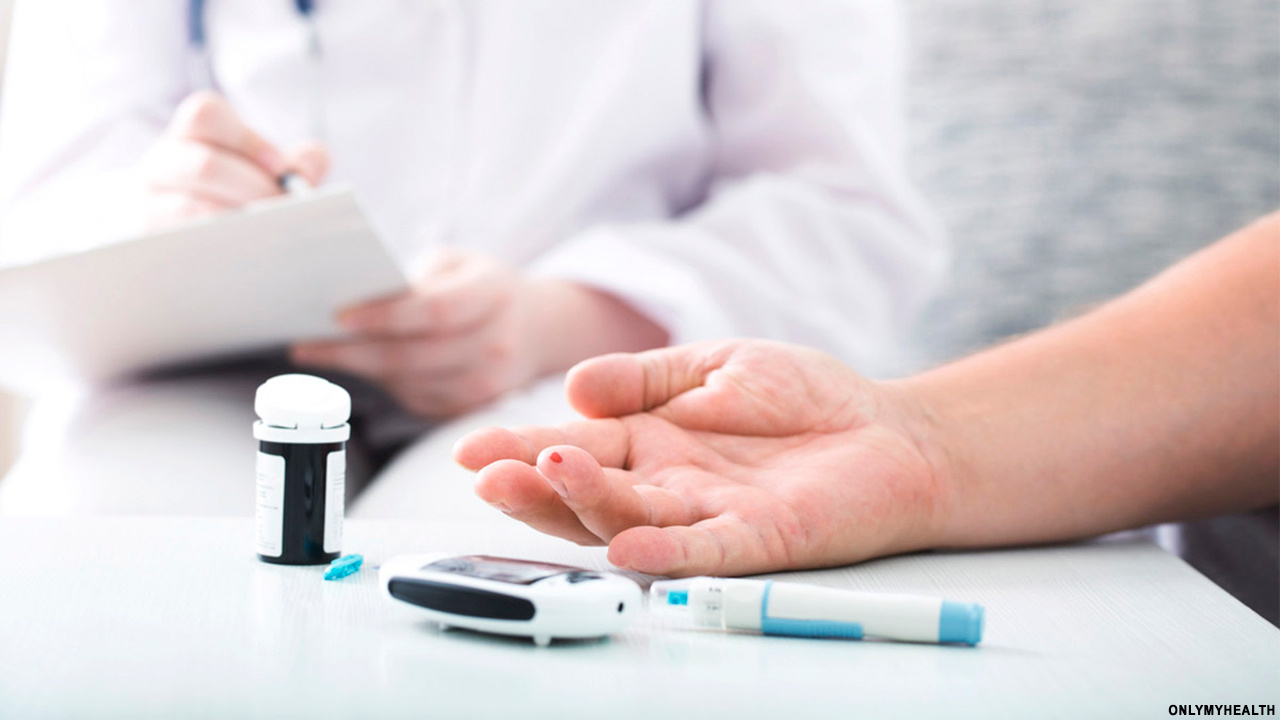
 Blood sugar level increased after Diwali? Control in these 5 ways. Eating sweets and mithais can cause a sudden surge of sugar levels in the blood. If diabetes has increased after Diwali, then control it with the help of these tips.




The celebration of festivals is incomplete without sweets. People especially like to eat sweets on Diwali. So, people who already suffer from diabetes, may have sudden increases in sugar levels. The rising sugar level also gives rise to many diseases in the body. In such a situation, if your sugar level has increased during this festive season, then these methods can help in controlling your rising sugar level. Let's know about these tips.
Drinking the right amount of water
Drinking the right amount of water cures many diseases of the body. If your sugar level has increased, you should drink more water to control it. Water helps in flushing out the excess glucose stored in the body. Keeping the body hydrated keeps blood sugar level under control. Try to drink 3 to 4 liters of water a day.
Exercise
Exercise is very beneficial for the body. If your diabetes has increased during the festive season, exercise can help control it. Actually, during exercise, the body takes more glucose for energy, and by exercising, the cells transport glucose faster to the bones, which helps in controlling blood sugar level.
Reduces stress
Many times during the festival there is tension due to the rush of work due to which the sugar level rises significantly. In such a situation, to control the stress, complete the preparations for the festivals well in advance so that you can avoid the subsequent excessive rush. Even during the festive season, try to take time for yourself and do things that make you feel relaxed and reduce anxiety.
Healthy eating
During the festival season, we tend to consume more fried foods, outside food, more sweets and processed food etc. By eating these foods, the body weight increases. At the same time, the sugar level also increases. During this, include healthy food in the diet. Eat green vegetables, dry fruits, pulses and fruits etc. All these things are rich in fiber, which helps in controlling blood sugar level.
Plenty of sleep
Many times during the festival season, due to excessive work, there may be a lack of sleep . Due to which irritability, stress and blood sugar level can also increase. Due to lack of sleep, many types of problems start occurring along with weight gain. To control the sugar level, take 7 to 8 hours of sleep.
All the things mentioned above help in controlling the blood sugar level. But keep in mind that if you have diabetes, then definitely see a doctor. Take anything only on their advice.




-23-300x250.png)

.jpeg)








.jpg)
.jpg)
.jpg)
.jpg)
.jpg)
.jpg)
.jpg)
.jpg)
.jpg)

