 Thursday, November 19, 2026
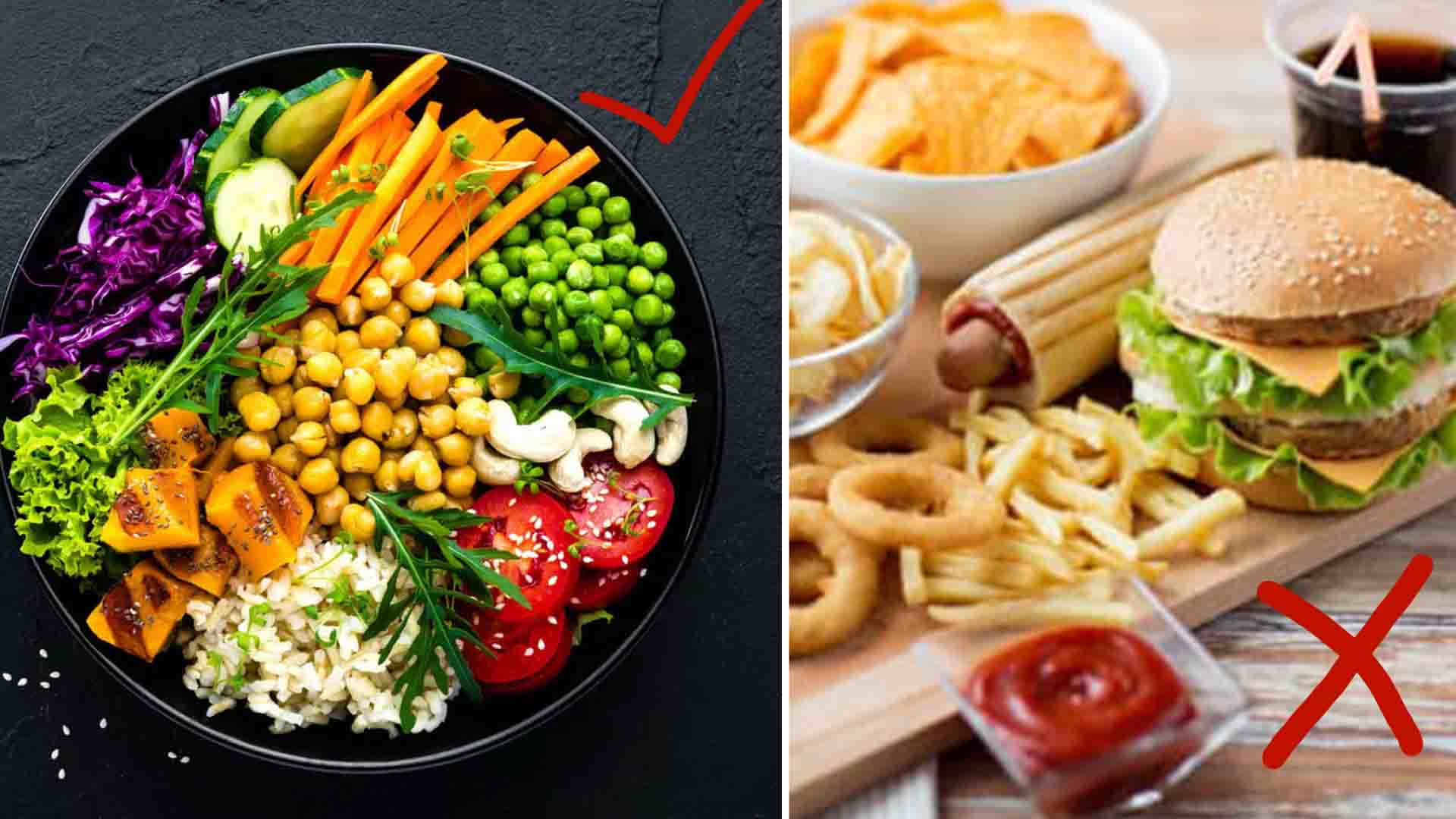
 Controlling type II diabetes without medications is hard. But a healthy diet and lifestyle changes could help people manage their diabetes and other aspects. Here are some useful significant tips.





Prevent diabetes by following a strict diet regime and physical exercises
1. Portion control
Many of us are confused with the portion size of our meal. However, it is very important for diabetic patients. The RDA of a normal person is 1800 kcal per day. Out of which carbohydrates constitute 50-55%, protein requirement is 1 gram/kg of body weight, and the rest of the calories should be provided by fats.
2. Type of food
Carbohydrates, proteins, and fats are the three main nutrients of our diet.
Carbohydrates – Simple carbohydrates like plain rice, maida, sabudana, sugar, honey, sweets, chocolate, muffins are strictly restricted as they do not contain fiber and cause a sudden spike in blood sugar levels. Complex carbohydrates like wheat, vegetables, wheat noodles, wheat pasta, and salads are rich in fiber, thus promoting digestion and prolonged absorption time.
Proteins – Vegetarians can take plant-based protein sources such as broccoli, homemade paneer, low-fat cheese, different pulses and legumes, soybeans, mushrooms, tofu. Non-veg can have egg, fish, chicken, lean meat as a protein source.
Fats – Trans-fat like omega 3 and 6 fatty acids are low in cholesterol and should be consumed. Some examples include - rice bran oil, sunflower oil, unsalted nuts, seeds, avocados, fatty fish sesame oil, soya oil, corn oil, olive oil, flaxseed oil. Saturated fats found in processed foods like red meat, ghee, butter, ‘vanaspati’, mayonnaise, biscuits, cakes and pastries should be avoided strictly as they cause an increase in bad cholesterol in the blood.
3. Meal frequency and time
– Daily food intake should be divided across three major meals and three healthy snacks (of smaller portions). Snacks are necessary to curb your hunger. A bedtime snack helps a diabetic patient to overcome mid-night or early morning hypoglycemia.
Wonder foods to control diabetes
1. Whole Grains – Wheat, oats, quinoa, millet, barley
2. Green leafy vegetables – Doctors recommend eating raw vegetables as a bowl of salad since cooking might destroy phytochemicals.
3. Garlic – It contains vitamin B6 and vitamin C. Diabetics can have raw garlic or add it while cooking foods.
4. Nuts – Walnuts, almonds, pistachios
5. Fatty fish – rich in omega 3 fatty acids and proteins
6. Beans – Chickpeas, soybeans, kidney beans
Foods to be strictly avoided
1. Refined products (sugar, maida, white bread),
2. Aerated, carbonated drinks loaded with sugar, canned foods, fruit juices,
3. Oily and fried foods,
4. Processed meats and white rice,
5. Packaged snacks,
6. Sweetened high-fat yogurt,
7. Sweets, cakes, biscuits,
8. Ready to eat food meal packages
Disclaimer: The content on this site is for informational purposes only, and should not be taken as professional medical advice. Always seek the guidance of your doctor or other health professionals for any questions you may have regarding your health or a medical condition.




-23-300x250.png)





















