 Wednesday, October 28, 2026
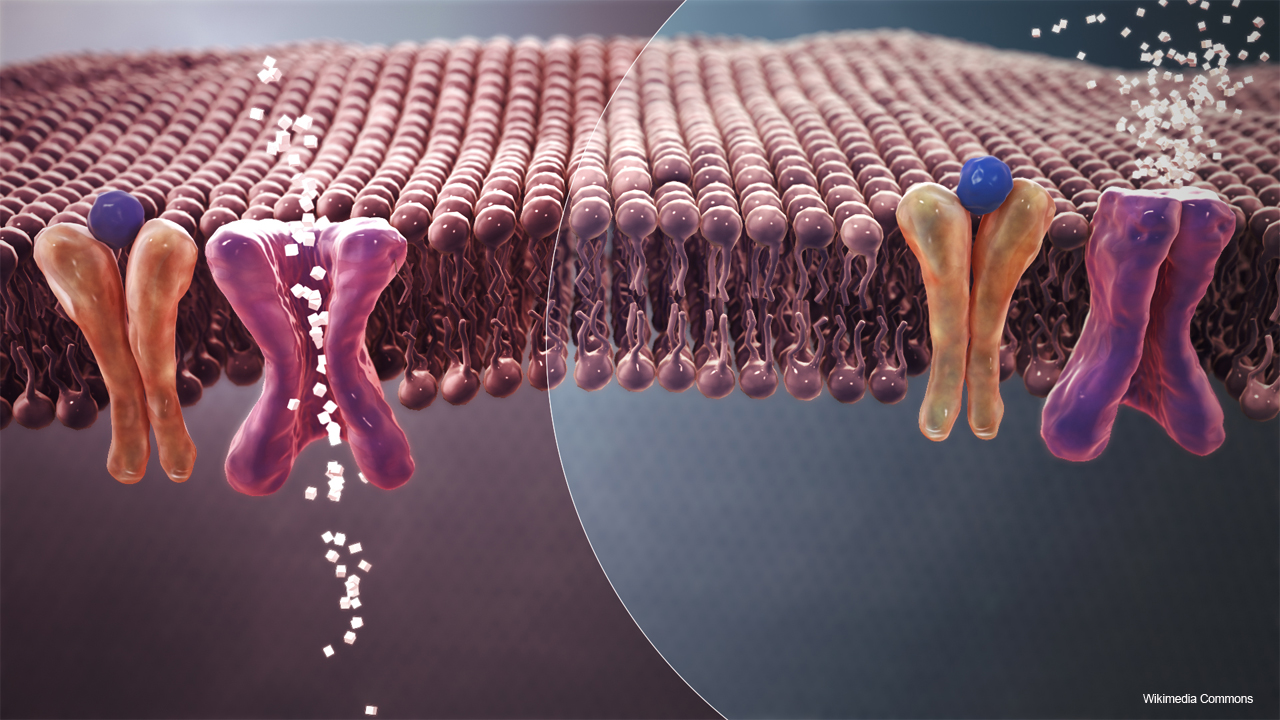
 Glucose is the fuel that takes care of your body's cells, however, to enter your cells it needs a key. Insulin is that key.




There are two primary kinds of diabetes: type 1 and type 2.
The two kinds of diabetes are ongoing illnesses that influence the manner in which your body controls glucose. Glucose is the fuel that takes care of your body's cells, however, to enter your cells it needs a key. Insulin is that key.
Individuals with type 2 diabetes don't react to insulin being produced or maybe do not make enough insulin.
Type 1 diabetes is like type 2 diabetes; however, it generally occurs during adolescence and is to a great extent not related to weight or consumption of calories. The specific reason for type 1 diabetes is unknown but what happens is in Type 1 diabetes, the pancreas does not produce insulin and hence it has to be infused routinely to help glucose reach all the parts of the body.
For Type 1 diabetes, there's no fix, and it can't be reversed. However, it can be managed. The side effects are equivalent to those of type 2 diabetes.
The two conditions can cause genuine complications if not treated, including:
- Heart infection
- Nerve harm
- Atherosclerosis
- Vision issues and visual impairment
- Kidney harm
- Skin and mouth contaminations
- Foot contaminations, which can prompt removals
- Osteoporosis
- Hearing issues
The two kinds of diabetes can prompt constantly high glucose levels. That expands the danger of diabetes complexities.
What are the indications of diabetes?
If not taken care of, type 1 and type 2 diabetes can prompt manifestations, for example,
- Urinating habitually
- Feeling parched and drinking a great deal
- Feeling exceptionally ravenous
- Feeling exhausted
- Having a hazy vision
- Having cuts or bruises that don't mend appropriately
Individuals with type 1 and type 2 diabetes may likewise encounter touchiness, temperament changes, and inadvertent weight reduction.
Individuals with type 1 and type 2 diabetes may likewise have numbness and tingling in their hands or feet. Good glucose management essentially lessens the danger of numbness and tingling in somebody with type 1 diabetes, as per the American Diabetes Association (ADA).
Albeit large numbers of the manifestations of type 1 and type 2 diabetes are present in totally different ways.
Numerous individuals with type 2 diabetes won't have side effects for a long time, and their indications frequently grow gradually throughout the course of time. A few people with type 2 diabetes have no side effects at all and don't find they have the condition until complications emerge.
The indications of type 1 diabetes grow rapidly, ordinarily throughout a little while. When known as adolescent diabetes, this sort typically develops in youth or puberty. Nonetheless, it's can occur at any time in life.
What causes diabetes?
Type 1 and type 2 diabetes may have comparative names, yet they're different diseases with different causes.
Reasons for type 1 diabetes
The body's immune system is answerable for fending off unfamiliar intruders, for example, destructive infections and microorganisms.
In individuals with type 1 diabetes, the immune system confuses the body's own healthy cells with unfamiliar intruders. The immune system assaults and obliterates the insulin-delivering beta cells in the pancreas. After these beta cells are wrecked, the body can't deliver insulin.
Scientists don't have the actual idea of why the immune system attacks the body's own cells. It might have something to do with hereditary and natural variables.
Reasons for type 2 diabetes
Individuals with type 2 diabetes have insulin resistance. The body actually produces insulin; however, it cannot utilize it adequately.
Analysts aren't sure why a few people become insulin safe and others don't, yet a few ways of life elements may contribute, including being inert and conveying abundance weight.
Other hereditary and ecological elements may likewise assume a job. At the point when you develop type 2 diabetes, your pancreas will attempt to remunerate by delivering more insulin. Since your body can't successfully utilize insulin, glucose will aggregate in your circulation system.
Would diabetes be able to be prevented?
Type 1 diabetes can't be stopped.
Be that as it may, it very well might be conceivable to bring down your danger of creating type 2 diabetes through these ways of life changes:
- Maintaining a moderate weight
- Working with your doctor to build up a sound weight-reduction plan, in the event that you have overweight
- Increasing your action levels
- Eating a fair eating routine and decreasing your admission of sweet nourishments or excessively prepared food sources
Regardless of whether you can't prevent the disease itself, careful monitoring can get your glucose levels back to normal and prevent the improvement of genuine complications.




-23-300x250.png)

.jpeg)







.jpg)
.jpg)
.jpg)
.jpg)
.jpg)
.jpg)
.jpg)
.jpg)
.jpg)

