 Monday, October 12, 2026
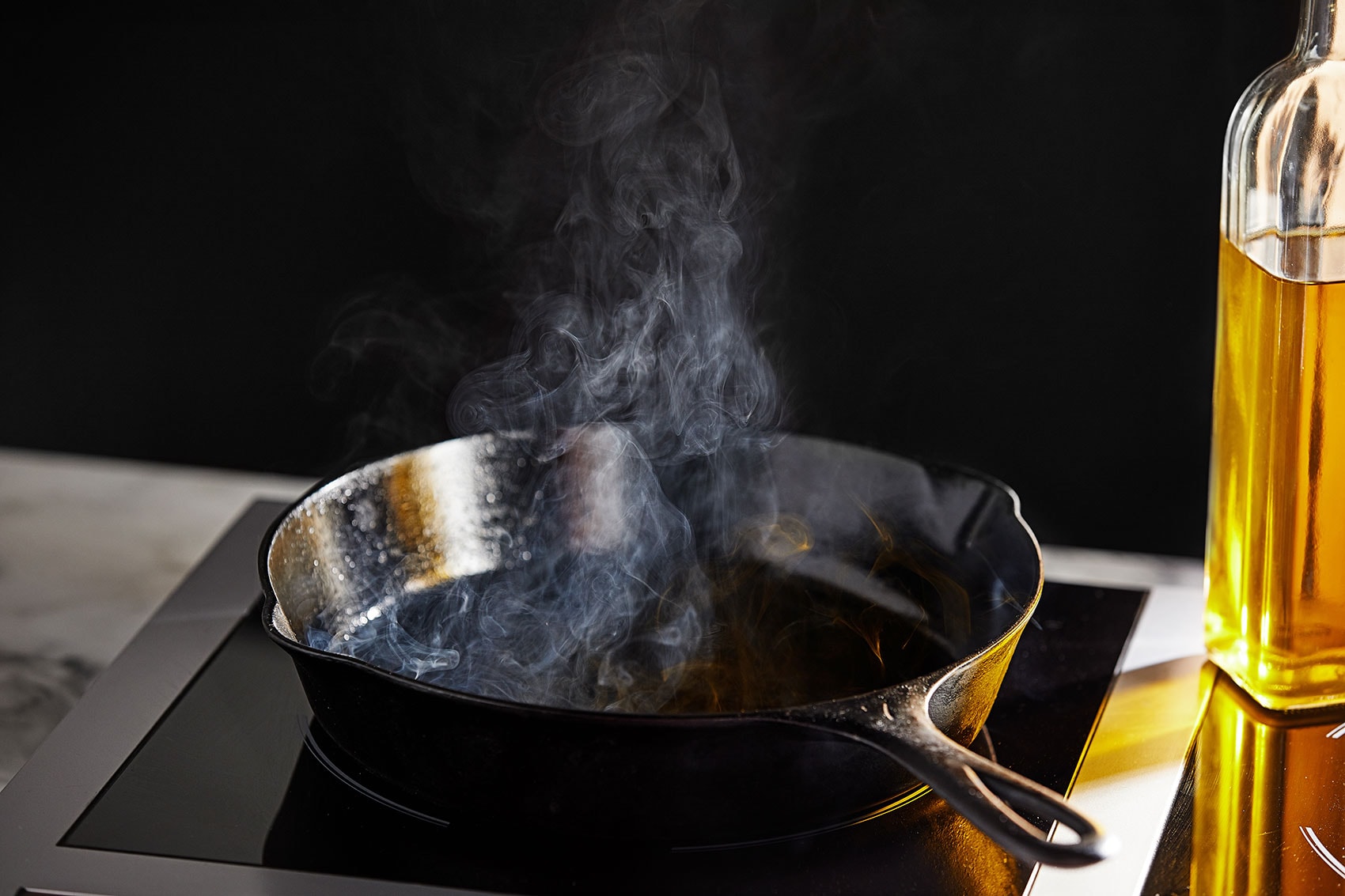
 Reuse of these oils causes any harm to health. But, did you pay attention to the cooking oil, how many times the oil is heated for deep frying or pan-frying? Check out the disadvantages of reheating cooking oil.




Oil is an important and basic ingredient in any Indian cuisine.
The use of oil in the food greatly enhances the taste of the food. That's why people use different types of cooking oil. Nowadays the trend of packaged oil has increased, so people use the best cooking oil for Indian food.
People use different types of cooking oil in their food like
Peanut oil Olive oil Mustard oil Coconut oil
Some of these oils benefit the body in different ways, while some oils can also help in reducing weight.
You must have seen in the shops that they use the same oil by heating it again and again. How much do you consume the food made in this oil? But that food is not right for anyone.
Oxidative degradation of oil lipids is accelerated during repeated heating creates dangerous reactive oxygen species and also reduces the natural antioxidant properties of edible oil.
Long-term use of foods prepared with the reuse of oil can lead to problems such as diabetes, high blood pressure, and inflammation.
According to FESSI, several studies tell us that reheating cooking oil can release harmful toxins, increase the percentage of trans-fats, give rise to free radicals and cause some very harmful reactions.
Disadvantages of reheating and reusable cooking oil
Several types of research examined the experimental and clinical effects associated with the consumption of edible oil reuse on antioxidant content, endothelial function, and membrane lipid peroxidation and findings regarding the health risks associated with oil reuse.
Based on those conclusions, today I am telling you about the disadvantages of reusing oil, reheating, and reusable cooking oil.
Makes oil more carcinogenic
Research has explained how aldehydes, toxic elements, are produced when you reheat oil. These are carcinogenic in nature
Cooking using reusing cooking oil can also increase free radicals in the body, which can lead to inflammation, the cause of most diseases, including obesity, heart disease, and diabetes. Excess inflammation in the body can lower immunity and make you more vulnerable to infection.
It increases LDL cholesterol
The oil that emits black smoke, which is heated repeatedly throughout the day, can increase the level of LDL or bad cholesterol in the body. High levels of LDL cholesterol can increase the risk of heart disease, stroke and chest pain.
Avoid re-use of cooking oil to avoid cholesterol-related problems.
Some healthy snacks can get rid of high cholesterol and can help in getting rid of high cholesterol.
Avoid reheating the oil to reduce cholesterol and live a healthy life.
(Disclaimer: The content on this site is for informational purposes only, and should not be taken as professional medical advice. Always seek the guidance of your doctor or other health professionals for any questions you may have regarding your health or a medical condition.)





.jpeg)










.jpg)
.jpg)
.jpg)
.jpg)
.jpg)
.jpg)


.jpg)