 Wednesday, October 28, 2026
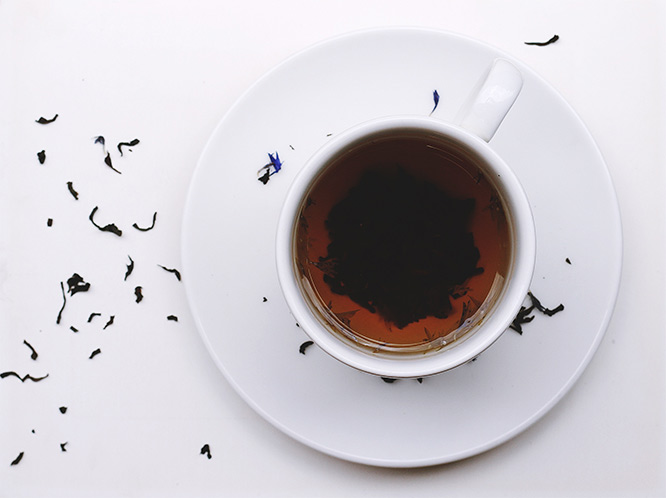
 Drinking caffeine-free tea can help you reduce the risk of all these problems and lead a healthier life. Let us tell you how to make caffeine-free tea.




Some people drink several cups of tea a day. But as we all know that tea contains caffeine and according to health experts, caffeine harms your health in many ways. Quite a few try things, like opting for herbal teas or still wanting to drink tea. Most people who are addicted to tea end up consuming many times more caffeine than the safe amount in a day. So the question arises, what can you do in such a situation? To limit your caffeine intake, you can opt for Caffeine-Free Tea To Cut Caffeine Intake, which is also very easy to make.
Let us first know the side effects of too much caffeine consumption
When you drink tea, you can feel instant energy in your body, but what you probably do not know is that it can also harm your health. According to health experts, consuming too much caffeine can cause many disadvantages such as-
Trouble sleeping
When you consume caffeine in excess, it can cause disturbances in your sleep patterns. It affects your sleep cycle so that you do not feel sleepy. Also, you may have drowsiness during the day. Apart from this, there may be a problem of insomnia and restless sleep may have to be faced at night.
Hormonal disturbances
When you drink too much tea or coffee, it can mess with your hormone levels, especially estrogen levels.
High blood pressure
While caffeine consumption can help regulate your blood pressure when you have low blood pressure, it can lead to high blood pressure when you consume too much caffeine.
Anxiety
Often when you are anxious or feeling stressed, having a cup of tea or coffee can help make you feel better. But excessive consumption of tea can cause problems like anxiety, nervousness, increased heartbeat.
Poor absorption of nutrients
When you consume caffeine, the nutrients in your body are not absorbed properly, so your body does not get the full benefits of what you eat.
How To Make Caffeine-Free Tea
For this you need-
3/4 cup water 1 tbsp fresh grated ginger 1/2 tbsp chopped lemongrass 3 Red Bush / Rooibos Tea Bags 1 cup milk 2 crushed Something sweet of your choice for sweetness
How to make:
First, boil the water and add fresh ginger and lemongrass to it. When it is cooked for 1-2 minutes, add it to your red bush tea bags and let it cook for 1 minute. Then add milk and ground cardamom to it. Boil everything for 1-2 minutes and prepare a decoction from it. Now turn off the gas, add any sweetener of your choice to this tea. Your caffeine-free tea is ready, strain it in a cup and enjoy.
Disclaimer: The content on this site is for informational purposes only, and should not be taken as professional medical advice. Always seek the guidance of your doctor or other health professionals for any questions you may have regarding your health or a medical condition.




-23-300x250.png)

.jpeg)








.jpg)
.jpg)
.jpg)
.jpg)
.jpg)
.jpg)
.jpg)
.jpg)
.jpg)

