 Thursday, October 08, 2026
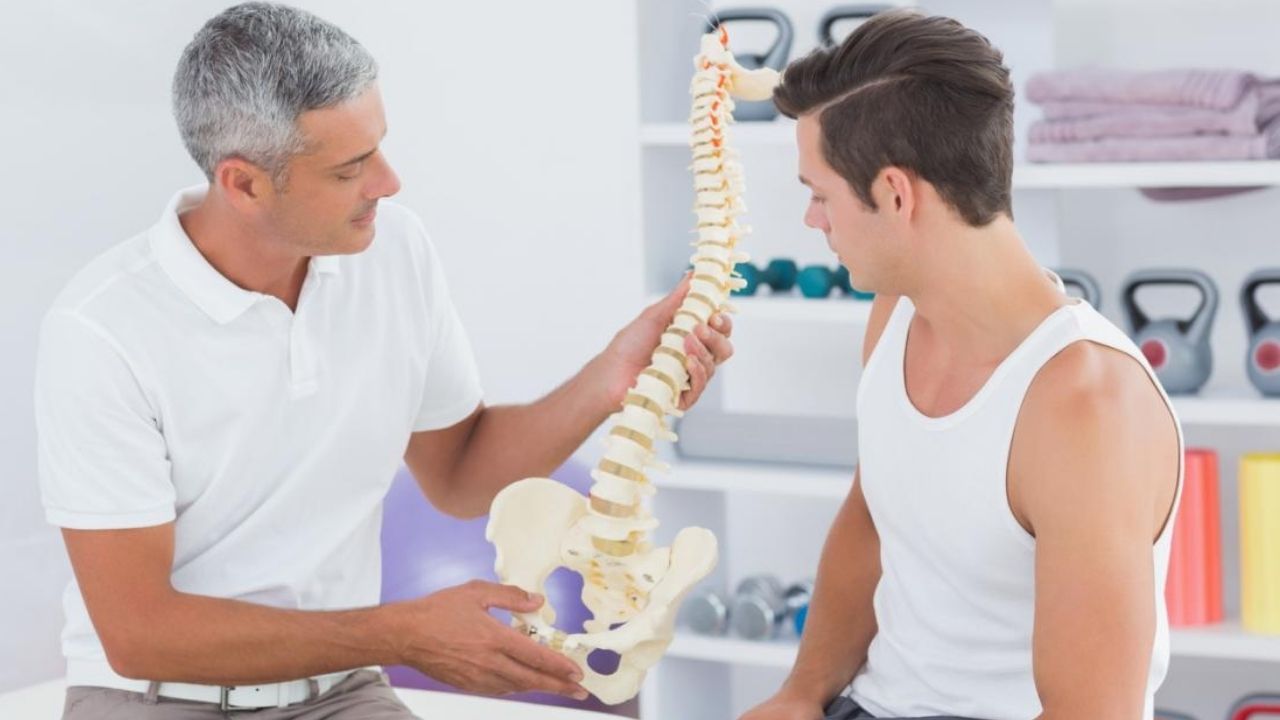
 Osteopaths are licensed physicians working to improve the overall health and wellness of people by treating the whole person, not just a condition or disease they may have. They are alternatively known as osteopathic physicians.





“Osteopathy is a disease-centred not patient-centred approach. There might be some osteopaths without a formal degree of medicine, however they are not licensed to prescribe medicine. To prescribe medicines, MBBS degree holders should have a specialization in osteopathy. Osteopaths have their specialities like surgery, paediatrics etc. too to deal with specific branches of medicine. Just like a medical doctor they follow procedures and perform tests but as far medications are concerned, it is not only allopathic but osteopathic medicine as well. Osteopathy’s effectiveness in all medical conditions is still a subject of expert research; however, it is established that it works very well in pains like lower back pain, migraine, arthritis, tennis elbow, body pain related to pregnancy, and pain of foot, hip, knee, shoulder, neck, elbow, sports injury etc. Hence the focus of the osteopaths is on relieving pain in the musculoskeletal system. An osteopathic physician mainly focuses on the joints, muscles, and spine. Body’s nervous, circulatory, and lymphatic systems get treated by treatment of these parts of the body.
How are osteopaths different from allopathic doctors?
Osteopaths use manual techniques including stretching, gentle pressure, and resistance, known as osteopathic manipulative medicine to treat. Osteopaths generally treat with hands in contrast to allopathic doctors who make use of pharmaceuticals and surgeries. Osteopaths are experts in anatomy knowing where to push and pull to relieve pain of the patients. Osteopathy is considered an alternative therapy. Osteopaths are trained to feel through their hands; feeling the condition of even the tissues. They can support their diagnosis with x-rays and MRI as and when required. Apart from relieving pain, they can treat respiratory ailments, endocrine disorders, and digestive imbalances. Their treatment techniques are mostly non-invasive and manual unlike allopathic doctors.
History of Osteopathy
In 1870’s American physician and surgeon, Dr. Andrew Taylor Still lost his four children to pneumonia and meningitis. With this he lost faith in conventional treatment techniques and started basing his practice on the osteon (bone tissue). He later set up American School of Osteopathy which has been named AT Still University. Osteopathy as a branch of treatment has hence been there since the 1870’s.





.jpeg)










.jpg)
.jpg)
.jpg)
.jpg)
.jpg)
.jpg)


.jpg)