 Friday, October 09, 2026
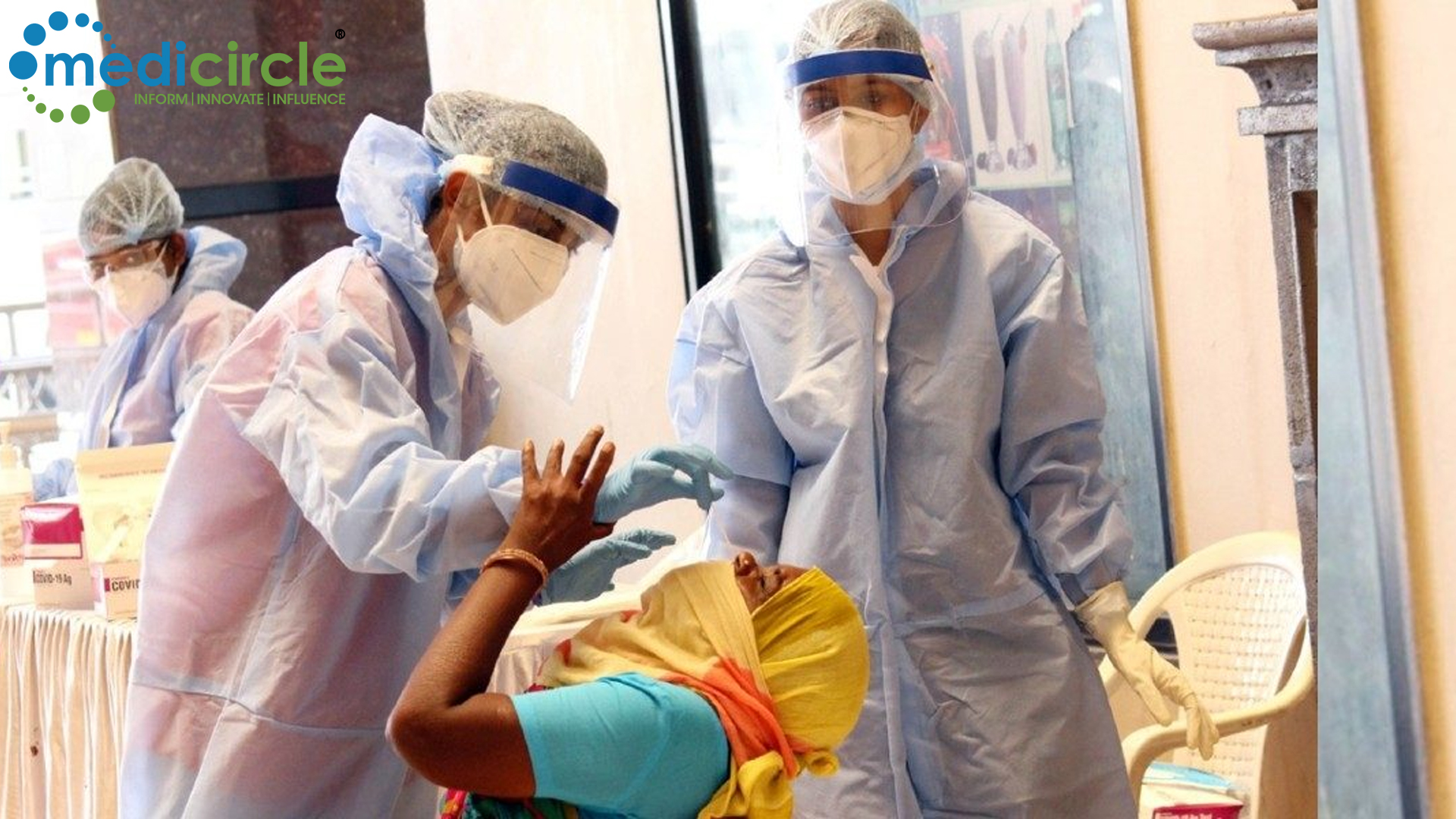
 By fostering collaboration and innovation, the course aims to empower healthcare professionals to drive meaningful change in India’s healthcare landscape.




In a significant stride towards transforming India’s healthcare sector, UNICEF India, along with the International Institute of Health Management Research (IIHMR), New Delhi, and IIT Bombay, has introduced a pioneering digital course which aims to equip healthcare professionals with essential skills to spearhead the digital revolution in healthcare across the country.
The Digital Health Enterprise Planning Course, set to commence on April 17, spans 10 weeks and targets a diverse audience, including doctors, nurses, pharmacists, healthcare administrators, policymakers, IT professionals, and individuals involved in healthcare technology implementation. This initiative comes in response to the growing demand for digital health education and the need to bridge the knowledge gap among healthcare professionals.
Cynthia McCaffrey, UNICEF India Representative, highlighted the course’s significance in advancing India’s digital healthcare agenda. She emphasized that the course is a testament to India’s commitment to fostering digital innovation in healthcare, ensuring that healthcare professionals are equipped with cutting-edge skills to leverage digital technologies effectively.
Professor Sutapa B Neogi, Director of IIHMR New Delhi, highlights the pivotal role of the course in enhancing the competence of healthcare professionals to thrive in the digital era. She emphasized that by providing essential skills and knowledge, the course will empower healthcare professionals to optimize healthcare delivery systems, especially in underserved communities.
The course’s comprehensive curriculum, developed in consultation with leading experts from IIHMR New Delhi and IIT Bombay, covers a wide range of topics essential for digital health transformation. From digital health interventions and telemedicine to health informatics and cybersecurity, participants will gain in-depth knowledge and practical insights to navigate the complexities of the digital healthcare landscape.
Professor Santosh Noronha of IIT Bombay highlighted the collaborative efforts aimed at building a robust digital health ecosystem in India. He emphasized the importance of collective action in harnessing the potential of digital technologies to revolutionize healthcare delivery and improve patient outcomes.
Utilizing a blended approach, the course integrates online modules, virtual lectures, interactive discussions, and hands-on workshops. Participants will have the opportunity to engage with experienced digital health professionals, subject matter experts, and academicians, facilitating peer learning and knowledge exchange.
Through case studies, group projects, networking opportunities, and knowledge sharing sessions, participants will enhance their understanding of digital health concepts and their practical application in real-world scenarios. By fostering collaboration and innovation, the course aims to empower healthcare professionals to drive meaningful change in India’s healthcare landscape.
As India continues to embrace digital transformation across various sectors, the healthcare industry stands at the forefront of this revolution. With initiatives like the Digital Health Enterprise Planning Course, UNICEF India and its partners are leading the way for a future where digital technologies revolutionize healthcare delivery, making quality healthcare accessible to all.





.jpeg)










.jpg)
.jpg)
.jpg)
.jpg)
.jpg)
.jpg)


.jpg)