 Monday, October 05, 2026
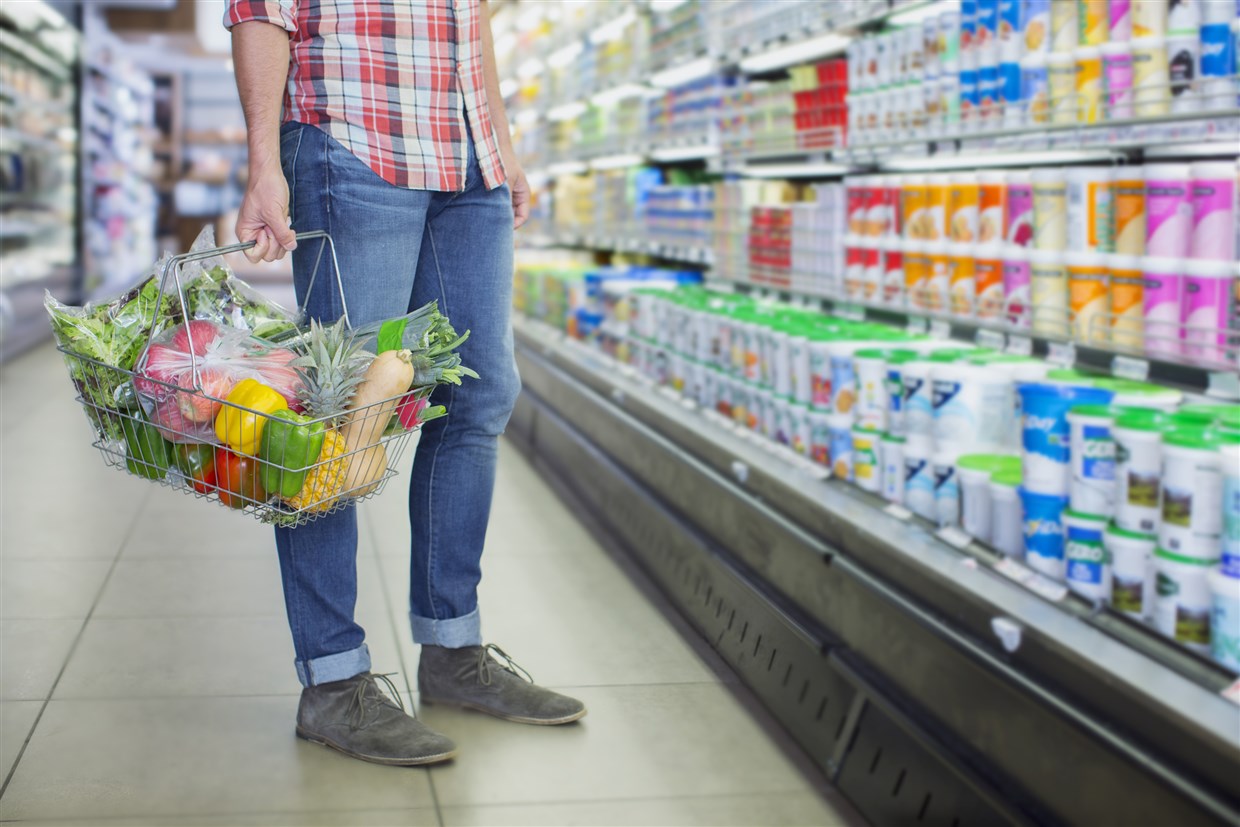
 Food operations and packaging are completely safe as there is no evidence of coronavirus being airborne. However, Good Manufacturing practices (GMP) are important for workers and consumers





The World Health Organization (WHO) has declared coronavirus as a pandemic globally on March 11th, 2020. All levels of government continue to update and monitor the citizens of the country to help minimize this public health issue. We all are taking extra steps and precautions this pandemic at our best to stay safe and secure.
Spread of coronavirus
Coronavirus is a respiratory virus that causes infections of the nose, throat, and lungs. These are most commonly spread from an infected person through:
Respiratory droplets when you cough and sneeze Close and prolonged contact such as touching or shaking hands Touching your mouth, nose, or eyes before washingIt is important to note to practice frequent hygiene on coughing and sneezing. It is also important to take care of the surfaces touched during coughing and sneezing by disinfecting them regularly. This will help to protect you and your family from coronavirus spread.
Vaccines for coronavirus
Vaccines for coronavirus are introduced and the entire world is getting vaccinated to prevent the spread of coronavirus. It is important to get vaccinated as soon as possible to make sure that you are protected from the coronavirus. Apart from vaccination, you need to practice daily hygiene and sanitization in your routine to keep infection at bay and stay healthy. The whole world is on a run with safety masks and hand sanitizers. Make sure you follow the same daily. The coronavirus spread is hampering the daily routine of everyone right from work to school. People are taking all the precautions to protect themselves. Vaccines are safe and effective to protect from coronavirus and the only solution to beat this pandemic.
There are many questions that are coming into people’s minds about the coronavirus. Right from spread from touched surfaces to food.
Can COVID spread through food?
Coronavirus An important update about COVID19 has come to light in regards to food safety. There is currently no evidence to suggest that COVID can spread through food. We can beat the transmission of coronavirus with a vaccine and safety. Scientists and food safety experts across the globe are monitoring coronavirus spread at each and every stage. However, practicing good safety measures can help reduce the risk of coronavirus spread. It is important to wash hands frequently with soap and water for more than 20seconds especially before you eat or prepare food. Well-cooked and warm meals can be beneficial at this point in time. Make sure to wash vegetables and fruits before consumption.
Can I get COVID from the packaged food?
There is no evidence of the spread of coronavirus from packaged food. You can enjoy your takeaway meals from restaurants and other food outlets. Make sure to maintain good hygiene habits while consuming or preparing meals.
COVID is not foodborne.
It is important to note that COVID is airborne and not foodborne. Contaminated food causes gastric troubles and illness. There is evidence that the number of virus particles on touched surfaces has a lesser rate of transmission than the oral inhalation. The airborne infection results in transmission of coronavirus infection rather than touching the surface of food packaging or eating food are extremely low. Food operations across the globe continue to give steady operations without any epidemiological evidence of gastric illness.
Good Manufacturing Practises (GMP) are important for workers and consumers
Based on the scientific information that continues to be made available from scientists and researchers, the FDA continues to be confident in the safety of food available to consumers. Currently, Good Manufacturing Practices and preventive controls are very important. It is essential to focus on good hygiene practices and keep workers safe.





.jpeg)
.jpg)
.jpg)
.jpg)
.jpg)
.jpg)
.jpg)






.jpeg)

.jpeg)

.png)