Tuesday, October 06, 2026
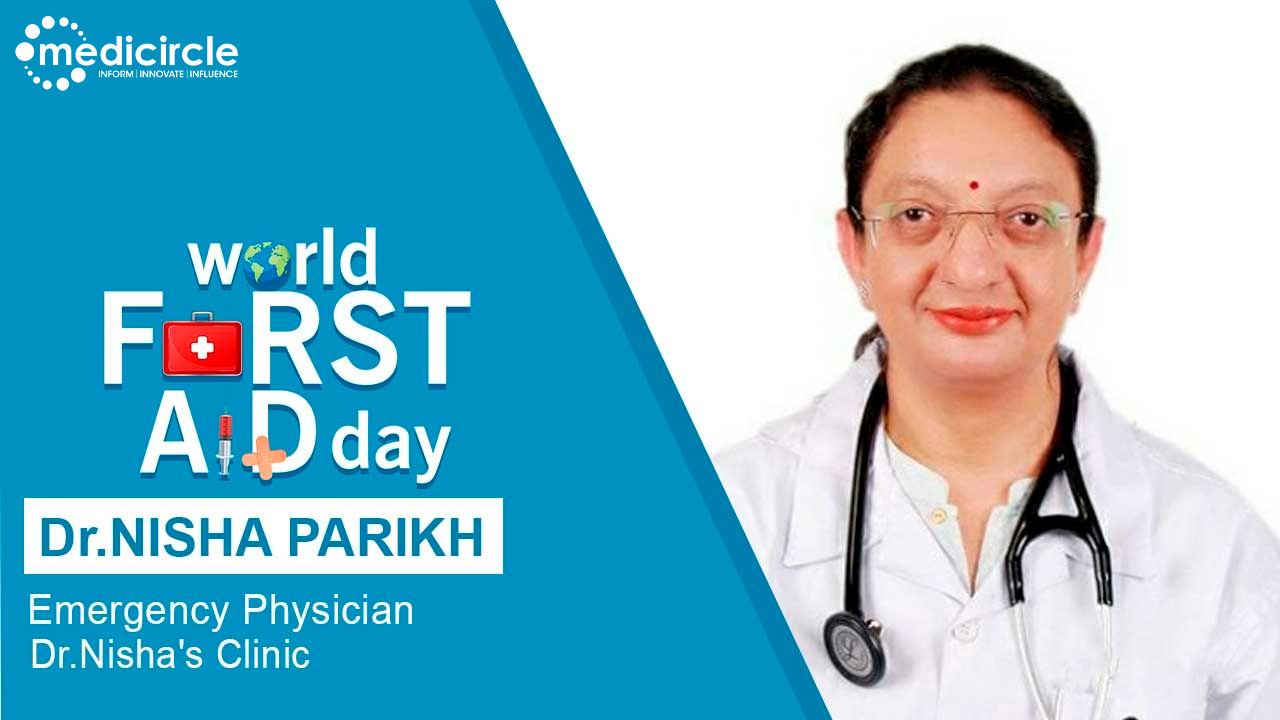
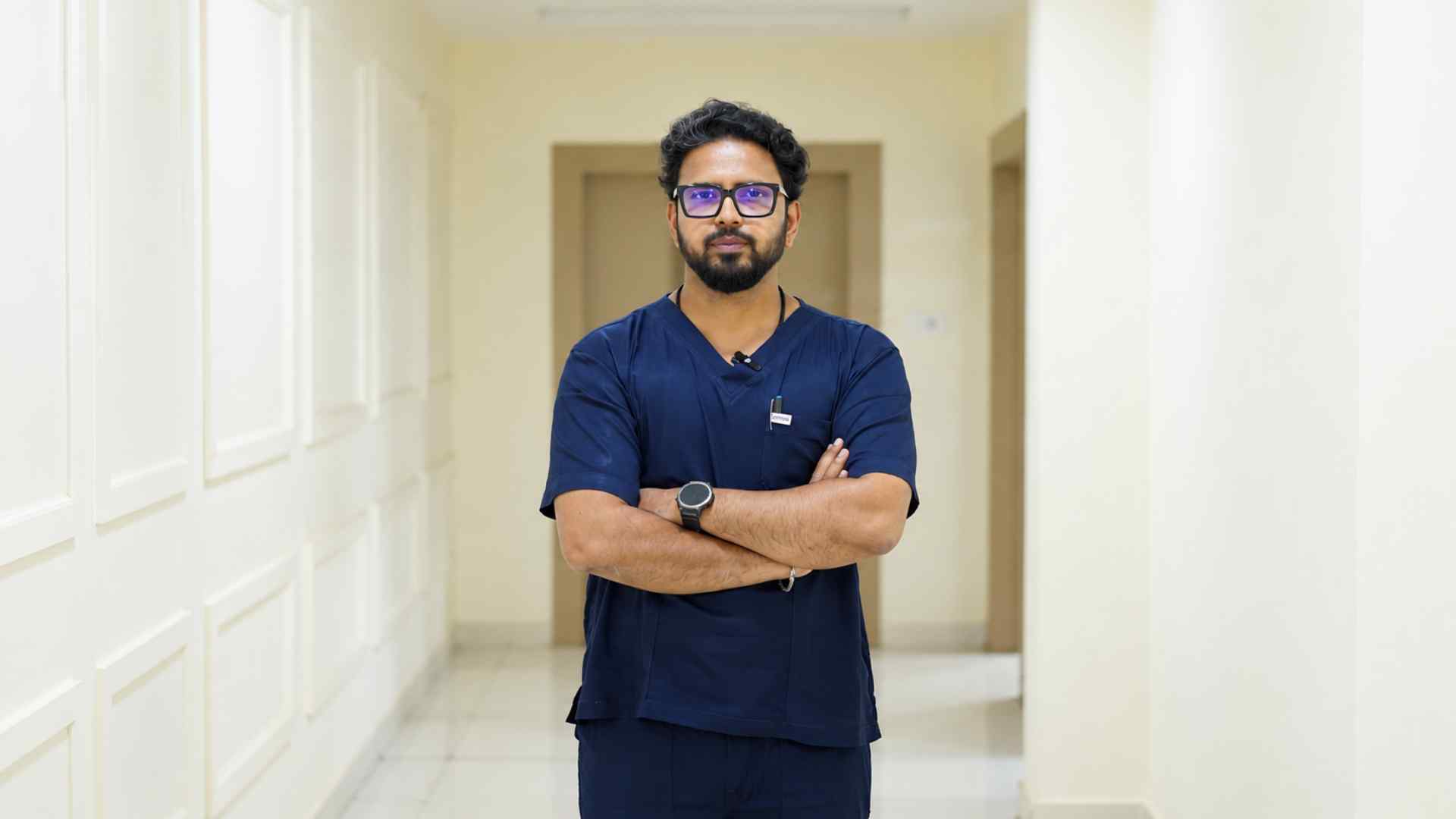
 Dr. Nisha shares her views on the importance of first aid and its basic training. Every house should have a first aid kit. Knowing basic first aid could save a life in an emergency or crisis





First Aid’ means the help that is provided to anyone who is suffering from disease, damage, or an injury. Globally, more than 1.3 million people die in road traffic accidents every year. But the vast majority of these deaths happen in low- and middle-income countries and 17 percent of these deaths occur in India alone. This means that every year in India, around 150,000 people die from road traffic accidents.
The International Federation of Red Cross and Red Crescent Societies (IFRC) had started World First Aid Day in 2000. World First Aid Day is observed on the second Saturday of September annually every year. This year it's on 11 September. The theme of this year is "First aid and road safety". Its main aim is to spread awareness of how first aid can prevent injuries and save lives every day and in a crisis. We at Medicircle are conducting World First Aid Day Series to impart basic knowledge and encourage people to take basic training required for first aid to an injured or infected person so that a life is saved.
Dr. Nisha Parikh is a Family Physician and General Physician in Mumbai and has experience of 20 years in these fields. Dr. Nisha Parikh practices at Dr. Nisha Clinic in Mumbai. Dr. Nisha Parikh completed MBBS from Nair Hospital Dental College (NHDC), Mumbai. Dr. Nisha Parikh has been associated with various prestigious hospitals and clinics. One amongst them is Jaslok Hospital.
First aid and its importance
Dr. Nisha says, "First aid is the first assistance or help given to a person in an emergency or crisis to stop the condition from getting worsening like burns, cuts. We shouldn't get panic in these situations and should handle them patiently and calmly. We all should have some basic knowledge of first aid and should know how to address the situation. First aid helps in avoiding further damage to the person and promotes recovery. First aid is very important as it can save lives in critical conditions. First aid is very much useful for our day-to-day minor injuries.”
First aid kit
Talking of the first aid kit Dr. Nisha voices, "Every house should have a first aid kit. It is a must. The first aid kit needs to have a bandage, antibacterial lotion, gloves, gauzes, Dettol, savlon, antiseptic solution, betadine solution, micropore tape, adhesive tape, tweezers, cotton balls, lifesaving medicines, basic essential medicines, glucon D, electoral packets, ice packs, etc."
Basic first aid procedure
Expressing about first aid procedure Dr. Nisha illustrates some important points
Burns – Put that burnt part under running normal tap water for 10-15 minutes. Time is very much important. As water has oxygen, it will help in healing. You don’t have to put any cream or haldi or lotion. Just keep the burnt part under running tap water for 10-15 minutes. If it is a third- or fourth-degree burn, you have to rush to the hospital.
Cuts – Rinse the cut or wound with running tap water, this will reduce the risk of infection. Elevate the wound until bleeding stops. Now with the help of Dettol and gauze, clean the cut or wound. Apply antibiotic cream, apply a bandage with paper tape. Covering the wound will keep it clean. Visit the doctor if necessary.
High fever – Moist the napkin under normal running tap water and keep it on the forehead and when the temperature comes down, give crocin or any other tablet. You should not use either cold or warm water, rather use normal tap water.
Road accidents – First get out from the accident site. If it is bleeding, elevate and apply pressure to the wound using a sterile bandage, a clean cloth, or a clean piece of clothing. If you suspect a bone fracture in one of the limbs, immobilize the area using a splint or sling. Wrap an ice pack or bag of ice cubes in a piece of cloth and apply it to the injured area for up to 10 minutes at a time. Help the injured to get into a comfortable position and take the person to the nearest hospital.
Heart attack – In case of a heart attack, you should know BLS (Basic life support). 4-5 steps of this, could revive the heart. You should also know basic CPR (Cardiopulmonary resuscitation). By getting trained in this, you could save a life.
Dr. Nisha mentions, "For creating awareness about first aid, one can do the online session to teach basic life support. You can conduct webinars, use social media to reach out to people and can train and impart basics of first aid.”
(Edited by Renu Gupta)





.jpeg)
.jpg)
.jpg)
.jpg)
.jpg)
.jpg)
.jpg)


.jpg)
.jpg)
.jpg)
.jpg)
.jpg)
.jpg)