 Friday, October 09, 2026
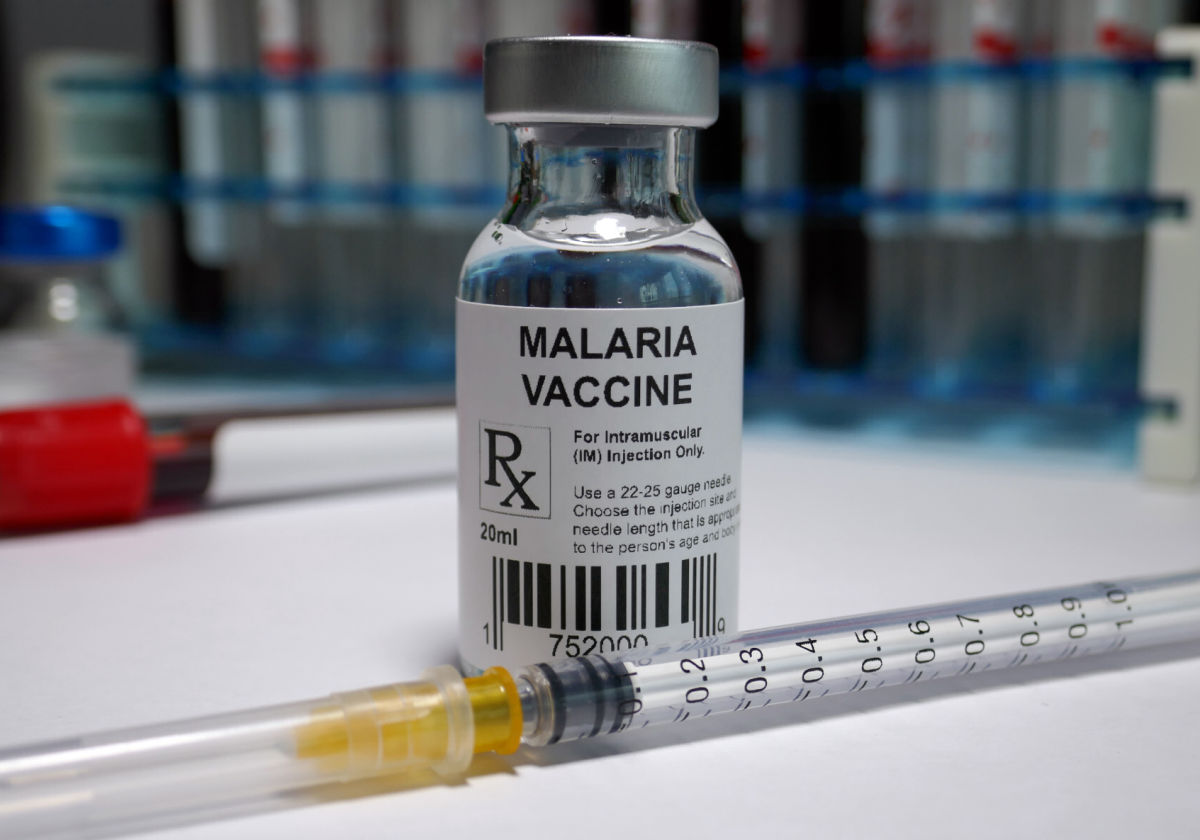
 “A new vaccine for malaria that is found to be 77% effective in clinical trials, surpasses WHO target.”





A game changer treatment against the life-threatening mosquito-borne disease, Malaria has been found in the form of vaccine which has shown 77% efficacy in clinical trials on infants. Till now only drugs are being used to treat malaria.
Clinical Trial
The clinical trial was performed on 450 infants, vaccinated in 2019, and was kept under observation for one year. There were no adverse effects specified. This Matrix-M vaccine was developed by the University of Oxford’s, Jenner Institute. It is the first ever candidate vaccine to fulfill the criteria set by United Nation’s World Health Organization against Malaria.
Phase-3 of the clinical trial will now be carried out in four African Countries, including 4800 children. This trial is in collaboration with Serum Institute of India, Pune, and US pharma company Novavax. The test result of earlier phase clinical trials has shown promising effects against malaria.
Causes
Malaria is caused due to infection of protozoan parasites by female anopheles mosquitoes. Mosquito transfers the infection from mosquito’s saliva to an individual’s blood. The infection passes on to the liver where they mature and reproduced. First malarial cases were originated in African people through Gorillas and Chimpanzees. There are four kinds of malarial parasites – Plasmodium Falciparum, Plasmodium Vivax, Plasmodium Ovale, and Plasmodium Malariae. Out of these, Plasmodium Falciparum is the deadliest one.
Treatment
Four different classes of drugs are used to treat malaria – Quinoline related compounds, antifolates, artemisinin derivatives, and antimicrobials. There is no single medicine that can destroy all forms of parasite’s life cycle being discovered till dated. So, the combination of drugs is given at the same time to eliminate the malarial infection. Treatment varies depending upon the factors –
Type of malaria parasite
Severity of symptoms
Condition of patients
Any associated co-morbidities
Precautions
The only precaution we can do is avoid getting a mosquito bite. We can use mosquito repellents, use Odomos, use drops that can prevent you from mosquito bites, using mosquito nets, and closing all windows, especially during morning and evening time.
India has recorded the largest reduction in malaria cases in Southeast Asia from 2000 to 2019. India has contributed to the largest drop in cases nationwide from 20 million to 6 million. In spite of the Covid-19 pandemic, the malaria prevention campaigns were able to work at their full fledge. Although there is a sharp decline in the number of cases, still it has to be eradicated completely from society.





.jpeg)










.jpg)
.jpg)
.jpg)
.jpg)
.jpg)
.jpg)


.jpg)