Tuesday, October 06, 2026
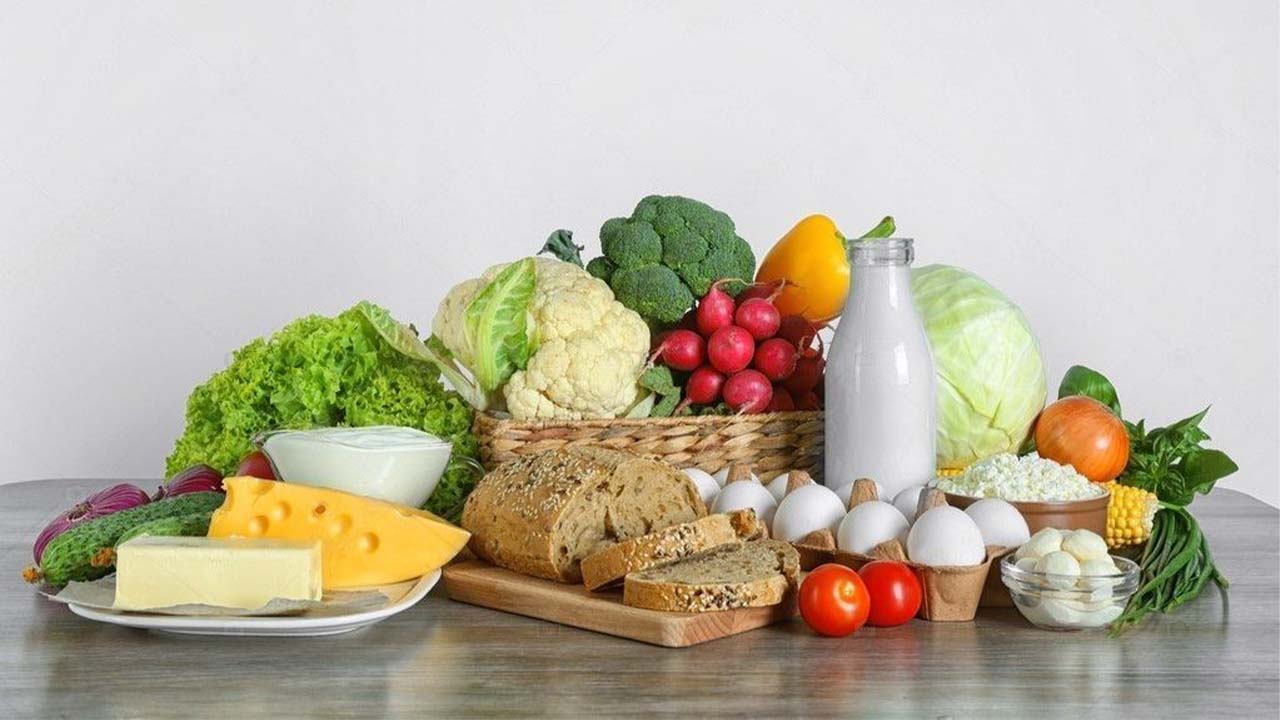
 If you are affected by high uric acid levels, you can solve the issue with a healthy diet. Avoiding some foods with high uric acid levels is also important.




There are many causes of joint and bone pain. One such common issue is high uric acid levels which can cause joint and bone pain. This is also called hyperuricemia.
How can foods affect uric acid levels?
Consuming foods rich in purines leads to the formation of uric acid in excess in the body. Most of this uric acid dissolves in the blood and travels to the kidneys. This is excreted through urine. But, if uric acid builds up in the body too much, then the kidneys are unable to filter out all the uric acid. This increases the level of uric acid in the blood. Its increase can lead to gout and kidney-related problems.
Why does uric acid increase?
The reason for the problem of gout is the growth of MSU crystals in the synovial fluid. Synovial fluid acts as a lubricant in all the joints of the bones. The increase in the amount of uric acid also affects the kidneys. When MSU crystals start to settle on the joints of the bones, the problem of joint pain and swelling develops due to lack of lubrication. You can include these foods in your diet to reduce uric acid
Foods to reduce uric acid levels
Fruit
Consuming fruits high in uric acid can be extremely beneficial for you. The cherries in the fruit can help reduce inflammation as well as reduce uric acid levels. It can also reduce the risk of problems like gout. Apart from this, you can also consume strawberries, grapes, oranges, pineapples, pears, and clementines. Uric acid can also be reduced by consuming lemon.
Green vegetables
You get many benefits by consuming green vegetables. When uric acid increases, only foods with low uric acid should be consumed. Therefore, you can consume spinach and asparagus. Apart from this, cauliflower, broccoli, carrot, beet, cucumber, and potato can also be consumed.
Dairy products
The amount of purine in dairy products is very low. Milk or milk products can be consumed to reduce uric acid.
Foods to avoid in hyperuricemia
- The amount of purine is high in meat-fish or other seafood, so avoid its consumption.
- Avoid consuming cold drinks, sodas, and fruit juices with sugar.
- Avoid taking certain medicines such as aspirin. If you have any health problems, consult a doctor.
- Eat a balanced diet, eating more in one go will increase your weight and can also increase the risk of gout problems.
- Do not consume alcohol or black tea.
- Do not include alcohol, packaged fruit juices, and chicken, etc. in your diet. This can lead to an increase in uric acid in the body and the problem of gout.
The risk of gout increases with an increase in uric acid. To reduce such problems, foods with low amounts of purine should be consumed. Spinach, broccoli, cherries, strawberries, grapes, lemon, eggs, etc. can help fight gout.





.jpeg)
.jpg)
.jpg)
.jpg)
.jpg)
.jpg)
.jpg)


.jpg)
.jpg)
.jpg)
.jpg)
.jpg)
.jpg)