 Sunday, October 11, 2026
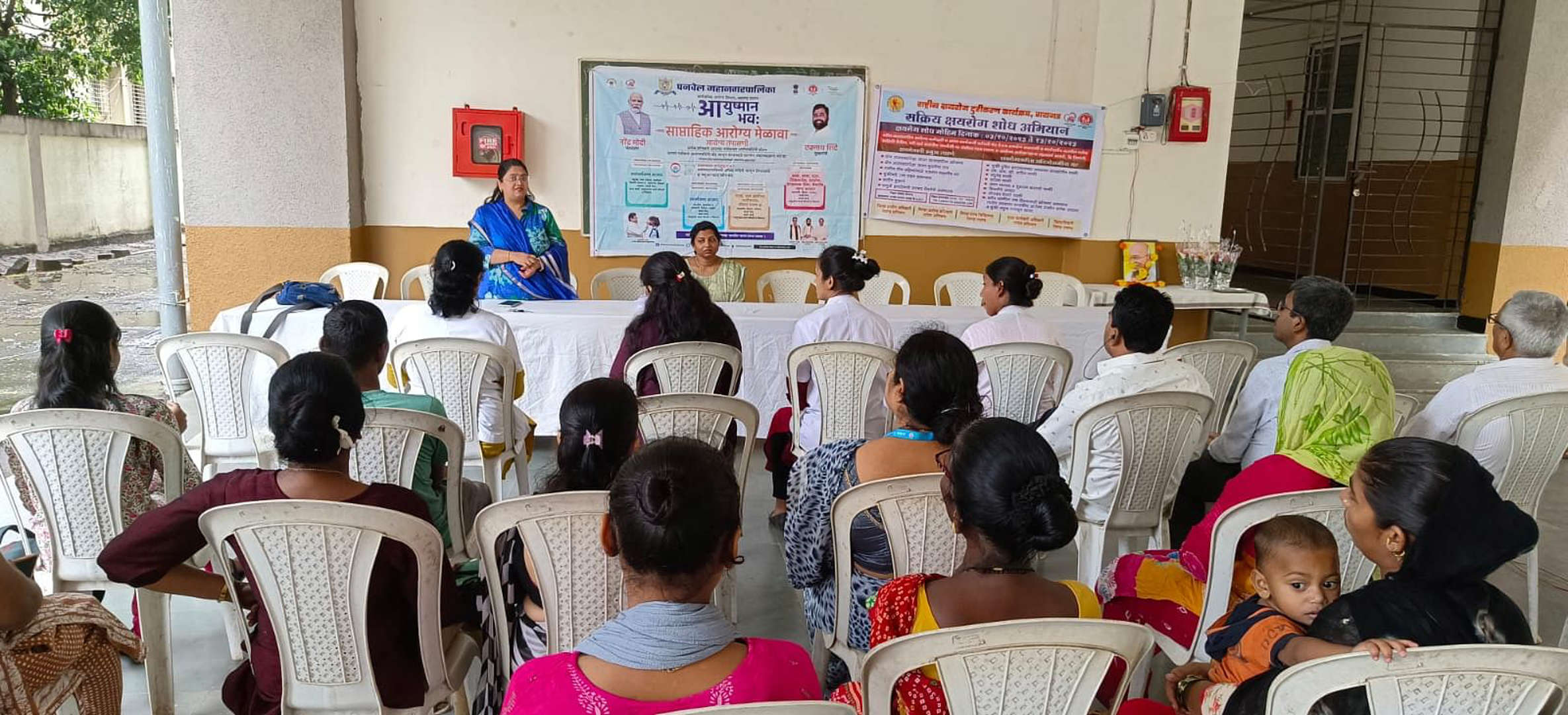
 These initiatives not only provide immediate healthcare solutions but also empower citizens with knowledge and resources to lead healthier lives. The Gram Sabha serves as a testament to the transformative potential of community-driven healthcare programs, fostering a culture of well-being and shared responsibility.




In a significant step towards universal healthcare, Panvel Municipal Corporation recently conducted a Gram Sabha under the Ayushman Bhava scheme, led by Commissioner Mr. Ganesh Deshmukh. This initiative, aimed at providing quality healthcare facilities to every individual, showcased the commitment of urban primary health centres in the region.
The Ayushman Bhava Abhiyan, a brainchild of the Central Government, is designed to democratize healthcare access, ensuring that people from all walks of life receive the best medical services. The Gram Sabha served as a platform for medical officers from civic primary health centres to inform citizens about the diverse programs initiated under this transformative scheme.
As part of the Ayushman Bhava campaign, the Maharashtra government, in collaboration with PMC, has arranged a weekly health fair. Every Saturday, citizens are invited to participate in health fairs hosted at Urban Primary Health Centres from 1 to 6. The goal is to encourage individuals to take advantage of the various health services offered during these fairs.
The campaign has structured its activities throughout the month, focusing on specific health aspects. On the first Saturday of each month until December 30, attention is given to non-communicable diseases such as diabetes, high blood pressure, kidney diseases, as well as infectious diseases like tuberculosis, leprosy, and HIV. On the fourth Saturday, special sessions are dedicated to nose, ear, throat, sickle cell, dentistry, palliative care, eye disease, and skin disease.
These health gatherings go beyond immediate treatment. They serve as educational hubs where citizens are guided on the registration and distribution of Abha cards and Ayushman cards. Additionally, information about organ donation, registration processes, and the importance of blood donation is disseminated during these sessions.
A notable aspect of the campaign is the proactive search for suspected tuberculosis patients. Asha volunteers and health workers conduct house visits as part of this program. Dr. Anand Gosavi, Chief Medical Health Officer, emphasized the need for citizen’s cooperation in this vital campaign. Importantly, all necessary tests and treatments for tuberculosis patients are made available free of cost across all health centres.
The Gram Sabha conducted on October 2 not only marked a pivotal moment in Panvel's healthcare initiatives but also exemplified a collaborative effort to ensure holistic health for its residents. The Ayushman Bhava Abhiyan, with its structured health fairs and targeted sessions, serves as a ray of hope for accessible and inclusive healthcare practices.
In conclusion, the commitment of Panvel Municipal Corporation to the Ayushman Bhava scheme reflects a broader nationwide push towards universal health coverage. These initiatives not only provide immediate healthcare solutions but also empower citizens with knowledge and resources to lead healthier lives. The Gram Sabha serves as a testament to the transformative potential of community-driven healthcare programs, fostering a culture of well-being and shared responsibility.





.jpeg)










.jpg)
.jpg)
.jpg)
.jpg)
.jpg)
.jpg)


.jpg)