 Thursday, October 08, 2026
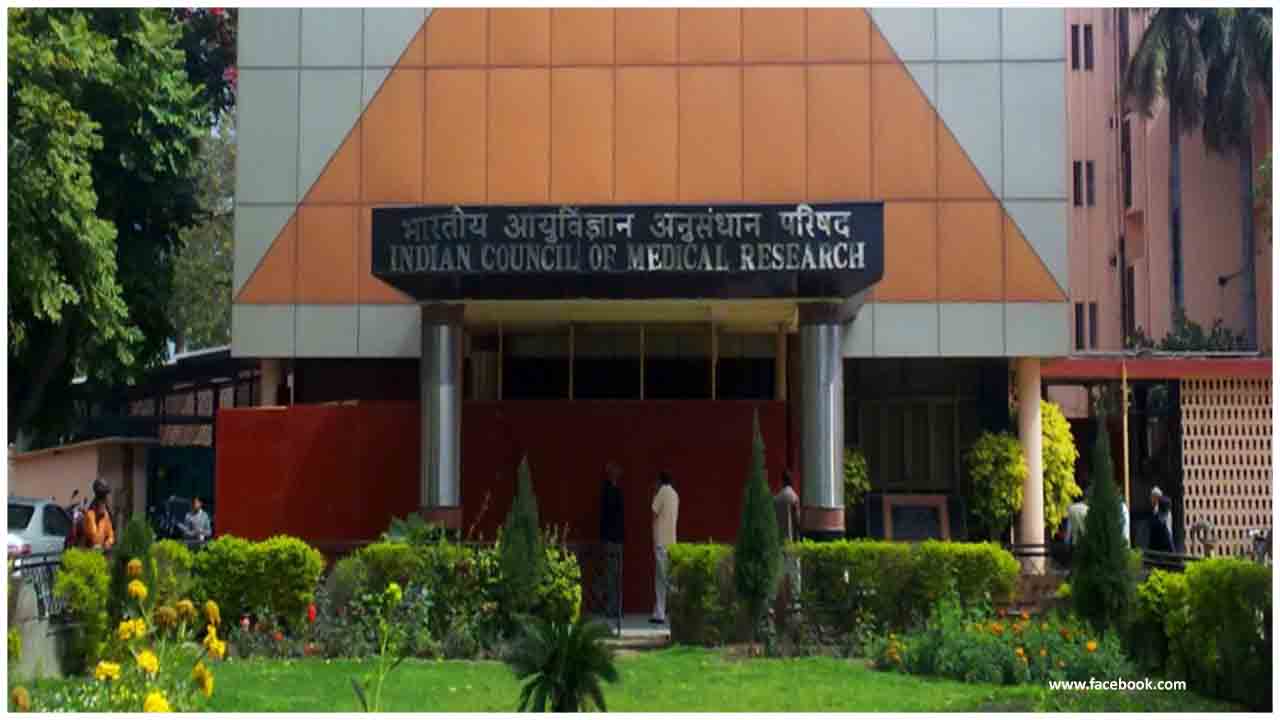
 Cheap, self collected and safe for collectors and front line workers, this could be the game changer in fight against Coronavirus




Nasal swabs and throat swabs are most widely accepted as the preferred method for obtaining respiratory samples to detect the presence of SARS CoV2, the virus that causes novel coronavirus. The Indian Council of Medical Research (ICMR) has now arrived at the conclusion that it has certain disadvantages which may be overcome by gargling.
A study done to assess the agreement between gargle lavage and swab as an appropriate respiratory sample for the detection of SARS-CoV-2 has thrown up interesting results. This study was also done to assess the patient acceptability of the two sampling methods.
A cross-sectional study was done at a tertiary care hospital in New Delhi, (at Delhi’s AIIMS) on 50 confirmed COVID-19 patients. Paired swab (NPS and OPS) and gargle samples were taken within 72 hour of diagnosis. Samples were processed by reverse transcription-polymerase chain reaction (RT-PCR) for detection of SARS-CoV-2. Post-sample collection, a 10-point scale was administered to assess the level of discomfort with either of the collection methods.It was found that all gargle samples were positive and comparable to their corresponding swab samples, irrespective of the symptoms and duration of illness.
A majority (72%) of the patients reported moderate-to-severe discomfort with swab collection in comparison to 24 per cent reporting only mild discomfort with gargle collection.
Importantly, the conclusion that has been arrived at is that the gargle lavage may be a viable alternative to swabs for sample collection for the detection of SARS-CoV-2.
The ICMR says this is crucial because it will enable easy self-collection, relieve healthcare workers and also lead to substantial cost savings by reducing the need for swabs and personal protective equipment.
Gargle is an easy-to-perform procedure, can be performed by the patients themselves without much training and may have better patient acceptability. The adoption of gargle for sample collection will translate to substantial cost savings as it would cut down not only the need for swabs and personal protective equipment (PPE) but also the need to develop and maintain special infrastructure for swab collection, says the ICMR in its study, now published in IJMR.
This was demonstrated in a study conducted in Germany where the authors utilised this method for testing of HCWs for COVID-19. They tested 924 HCWs using gargle and consequently saved 225 PPEs and 1,000 swabs.
The current practice of collection of swabs requires trained professionals who get exposed to the virus-containing aerosols and remain at high. That is the biggest advantage of gargled water swabs.
A disadvantage of gargling could be the generation of infectious aerosols. Whether the risk of aerosol generation was similar to swab collection (commonly leads to coughing and sneezing) or higher was not clear.
To minimise the risk of transmission due to aerosols and to maximise the benefits of this method of collection, it would be best to employ it for home collection. Furthermore, it cannot be used in patients who are critically ill as well as in young children/patients who may not be able to follow instructions/perform gargle, says the ICMR.






.jpeg)








.jpg)
.jpg)
.jpg)
.jpg)
.jpg)
.jpg)


.jpg)
.jpg)
.jpg)