 Sunday, October 11, 2026
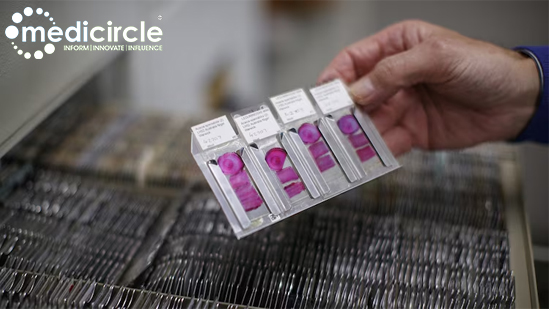
 This ambitious endeavour aims to identify unique genomic fingerprints associated with various diseases, including autoimmune diseases, heart diseases, and cancer, leading the way for personalized medicine and targeted therapies.




In a ground-breaking collaboration, scientists at Illumina, a leading genomics and human health company, and the Garvan Institute of Medical Research have embarked on a mission to map 50 million human cells from 10,000 individuals. This ambitious endeavour aims to identify unique genomic fingerprints associated with various diseases, including autoimmune diseases, heart diseases, and cancer, leading the way for personalized medicine and targeted therapies.
Mapping Genomic Fingerprints: Dubbed the TenK10K project, this initiative marks a significant milestone in genomic research, fuelled by a joint investment of 27 million Australian Dollars. The project builds on the success of previous endeavours, such as the OneK1K clinical trial for Crohn’s disease, which has already made significant strides in understanding disease mechanisms and treatment responses.
Utilizing cutting-edge technologies and expertise, Illumina is providing crucial support to the project by supplying supplies, equipment, and specialist research support. This partnership will enable the Garvan Institute to scale up its single-cell and whole genome sequencing capabilities, making the TenK10K project the largest of its kind.
Insights from Single-Cell Sequencing: The team’s approach relies on single-cell sequencing, a revolutionary technology that allows researchers to analyse individual cells and detect subtle genomic variations. In a recent paper published in Science, the team showcased their ability to analyse the genomic profiles of over one million cells from 1,000 individuals, identifying markers associated with autoimmune diseases.
According to Professor Joseph Powell, leader of the OneK1K and TenK10K projects, early results suggest that genetic profiles can predict a patient’s response to therapy accurately. By diving into the intricate fingerprints of individual cells, researchers can uncover nuances that were previously inaccessible, revolutionizing our understanding of disease mechanisms and treatment strategies.
Applications of Genomic Insights: The implications of this research extend beyond mere understanding; the TenK10K project aims to translate genomic discoveries into tangible clinical applications. By conducting commercial tests, researchers seek to identify optimal therapies for challenging autoimmune diseases, including multiple sclerosis, rheumatoid arthritis, lupus, and inflammatory bowel diseases.
Moreover, the project will explore novel RNA therapies, investigate early targets for cancer treatments, and develop strategies to address long-term consequences of conditions such as heart attacks and long Covid. By leveraging genomic insights, researchers aim to tailor treatments to individual patients, maximizing efficacy and minimizing adverse effects.
Towards a Healthier Future: The collaboration between Illumina and the Garvan Institute represents a significant leap forward in genomic research and personalized medicine. By exposing the complexities of human biology at the cellular level, researchers aim to revolutionize healthcare, offering hope to millions of individuals affected by chronic diseases.
As the TenK10K project unfolds, it promises to uncover novel insights into disease mechanisms, leading the way for innovative therapies and precision medicine approaches. With a focus on improving patient outcomes and enhancing quality of life, this collaboration stands poised to transform the landscape of healthcare and usher in a new era of personalized medicine.





.jpeg)










.jpg)
.jpg)
.jpg)
.jpg)
.jpg)
.jpg)


.jpg)