 Thursday, October 08, 2026
 The antiviral medication was one of the drugs used to treat U.S. President Donald Trump’s coronavirus infection, and has been shown in previous studies to have cut time to recovery, though the European Union is investigating it for possible




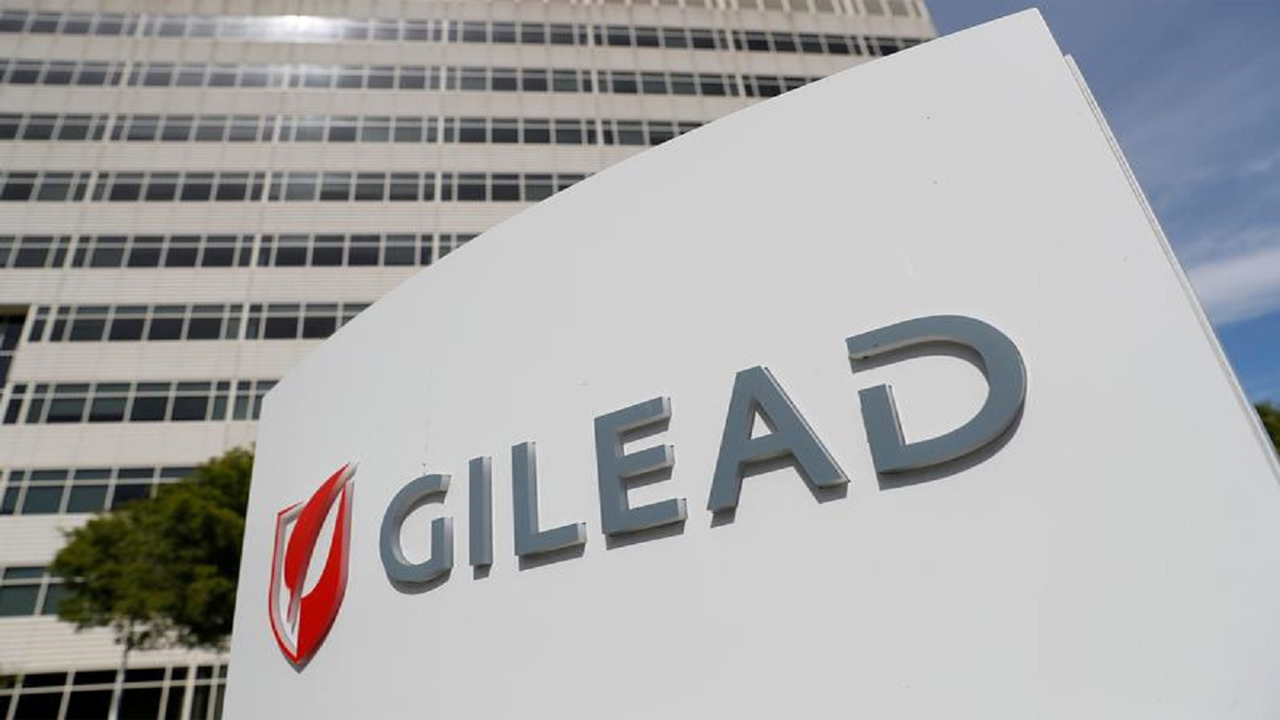
Gilead Sciences Inc GILD.O has questioned the findings of a World Health Organization (WHO) study that concluded its COVID-19 drug remdesivir does not help patients who have been admitted to hospital.
The American company told Reuters the data appeared inconsistent, the findings were premature and that other studies had validated the drug’s benefits.
In a blow to one of the few drugs being used to treat people with COVID-19, the WHO said on Thursday its “Solidarity” trial had concluded that remdesivir appeared to have little or no effect on 28-day mortality or length of hospital stays among patients with the respiratory disease.
The antiviral medication was one of the drugs used to treat U.S. President Donald Trump’s coronavirus infection, and has been shown in previous studies to have cut time to recovery, though the European Union is investigating it for possible kidney injury.
The WHO trial was conducted in 11,266 adult patients in more than 30 countries. The evidence was conclusive, the WHO said.
Gilead said other trials of remdesivir, including with 1,062 patients that compared it with a placebo, showed the treatment cut COVID-19 recovery time.
“The emerging (WHO) data appears inconsistent, with more robust evidence from multiple randomized, controlled studies published in peer-reviewed journals validating the clinical benefit of remdesivir,” Gilead told Reuters.
Gilead said it was “unclear if any conclusive findings can be drawn” given what it called differences in how the trial was conducted from site to site and between the patients who received the medicine.
In April, the top U.S. infectious disease official, Anthony Fauci, predicted remdesivir would become “the standard of care”.
Companies such as Gilead are racing to find a treatment for COVID-19. Some 1.1 million people have died and 39.1 million have been reported infected in the pandemic, and the global economy has been thrown into chaos.
Remdesivir was developed for Ebola, which causes fever, bleeding, vomiting and diarrhoea and spreads among humans through bodily fluids.
It was quickly repurposed and has offered some hope for patients, though the WHO's findings may shift the focus of the search for a vaccine to new monoclonal antibodies being developed by companies including Regeneron REGN.O.
The Solidarity trial also evaluated hydroxychloroquine, anti-HIV drug combination lopinavir/ritonavir and interferon, and concluded that they, like remdesivir, did little to help patients survive or leave the hospital more quickly.
Gilead say the Solidarity conclusions, lacking scrutiny from other scientists, were premature.
“We are concerned the data from this open-label global trial has not undergone the rigorous review required to allow for constructive scientific discussion, particularly given the limitations of the trial design,” it said.
Remdesivir got emergency use authorization from the U.S. Food and Drug Administration on May 1, and has been authorized for use in several countries.
During the Solidarity study, trials of hydroxychloroquine and lopinavir/ritonavir were stopped in June after they proved ineffective, but the studies of Gilead’s drug and interferon continued in more than 500 hospitals and 30 countries.
WHO chief scientist Soumya Swaminathan said this week the U.N. health agency was now looking at other, emerging treatment options such as monoclonal anti-bodies, immunomodulators and some newer anti-viral drugs.
Regeneron Pharmaceuticals Inc REGN.O is developing a monoclonal antibody that Trump received for his COVID-19 infection.
Eli Lilly and Co LLY.N said on Tuesday a trial of its COVID-19 antibody treatment had been paused by the U.S. government because of a safety concern.
STORY SOURCE- Reuters





.jpeg)










.jpg)
.jpg)
.jpg)
.jpg)
.jpg)
.jpg)


.jpg)