 Friday, October 09, 2026
 Wearables like those from Noise are increasingly becoming part of our daily lives, helping us monitor our health and stay connected to the world around us. In this case, they also served as a tool to measure the emotional pulse of a nation.




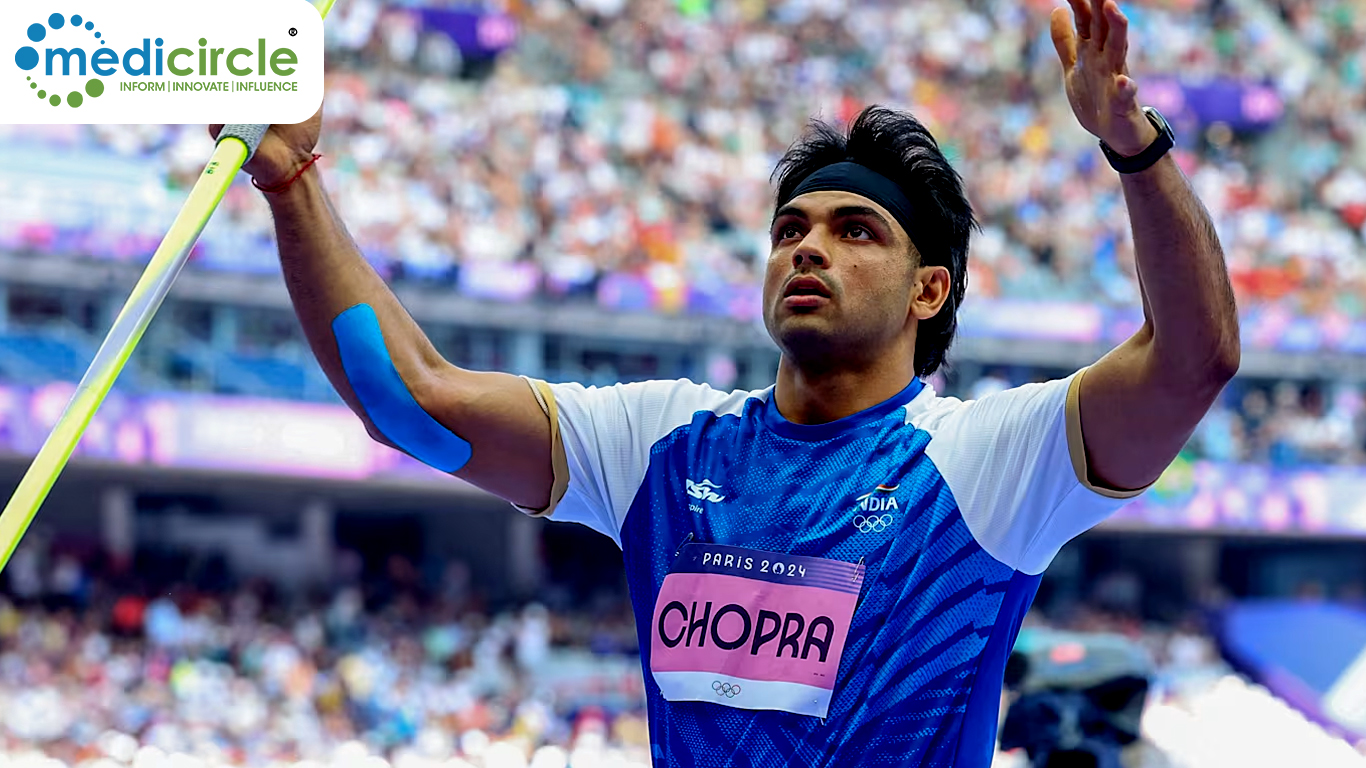
The Paris Olympics 2024 has been a rollercoaster of emotions for sports enthusiasts worldwide. For Indians, the Javelin event, featuring their star athlete Neeraj Chopra, was a moment of national pride and intense anticipation. Neeraj Chopra, a name that has become synonymous with excellence in Javelin, clinched a silver medal, leaving millions of Indians and Pakistanis on the edge of their seats.
But this event was more than just a thrilling moment of sports; it was a shared experience that quite literally got hearts racing across the nation. The day after this nail-biting event, Indian gadget and wearables brand, Noise, released fascinating data showing just how deeply connected Indians were during this historic moment.
The Data Behind the Drama: Noise, a brand known for its gadgets and wearables, has been one of the popular choice among Indian consumers for tracking their health metrics. On Friday, a day after the Javelin event, Amit Khatri, co-founder of Noise, shared some intriguing insights on LinkedIn. He revealed how the average heart rate of Noise users spiked during Neeraj Chopra’s Javelin throw, particularly at key moments of the event.
The data, gathered from three million Noise users, paints a vivid picture of a nation collectively holding its breath. According to Khatri, the average heart rate of active Noise users was "notably high" during the event, with significant spikes at different time stamps. This was not just a reflection of individual excitement but a collective pulse of a nation rallying behind its hero.
The concept of monitoring heart rates during major events is not new, but what makes this instance particularly interesting is the scale and specificity of the data. With three million users contributing to this dataset, Noise has provided a unique glimpse into how deeply sports events can affect a nation’s collective psyche.
1. Real-Time Engagement: The data from Noise shows that people were not just watching the event passively, they were emotionally and physically engaged. The spikes in heart rates suggest moments of tension, excitement, and eventual relief as Neeraj Chopra secured his place on the podium.
2. A Shared Experience: Sports has always been a unifying force, and this data showcases just how powerful it can be. Regardless of where they were, millions of Indians experienced the same highs and lows, their hearts beating in unison as they watched Neeraj Chopra compete.
3. The Role of Technology: Wearables like those from Noise are increasingly becoming part of our daily lives, helping us monitor our health and stay connected to the world around us. In this case, they also served as a tool to measure the emotional pulse of a nation.
The Power of Sports: The Olympics, especially events like the Javelin throw, go beyond mere competition. They are moments that bring people together, creating memories that last a lifetime. Neeraj Chopra’s silver medal is not just a victory for him but a shared triumph for millions of Indians who felt every moment of his journey.
Amit Khatri’s post on LinkedIn captures this sentiment beautifully: "...during the event, the average heart rate of active Noisemakers was off the charts. This just shows how connected we were in spirit and pulse, rallying behind Neeraj."
Source: Hindustan Times





.jpeg)










.jpg)
.jpg)
.jpg)
.jpg)
.jpg)
.jpg)


.jpg)