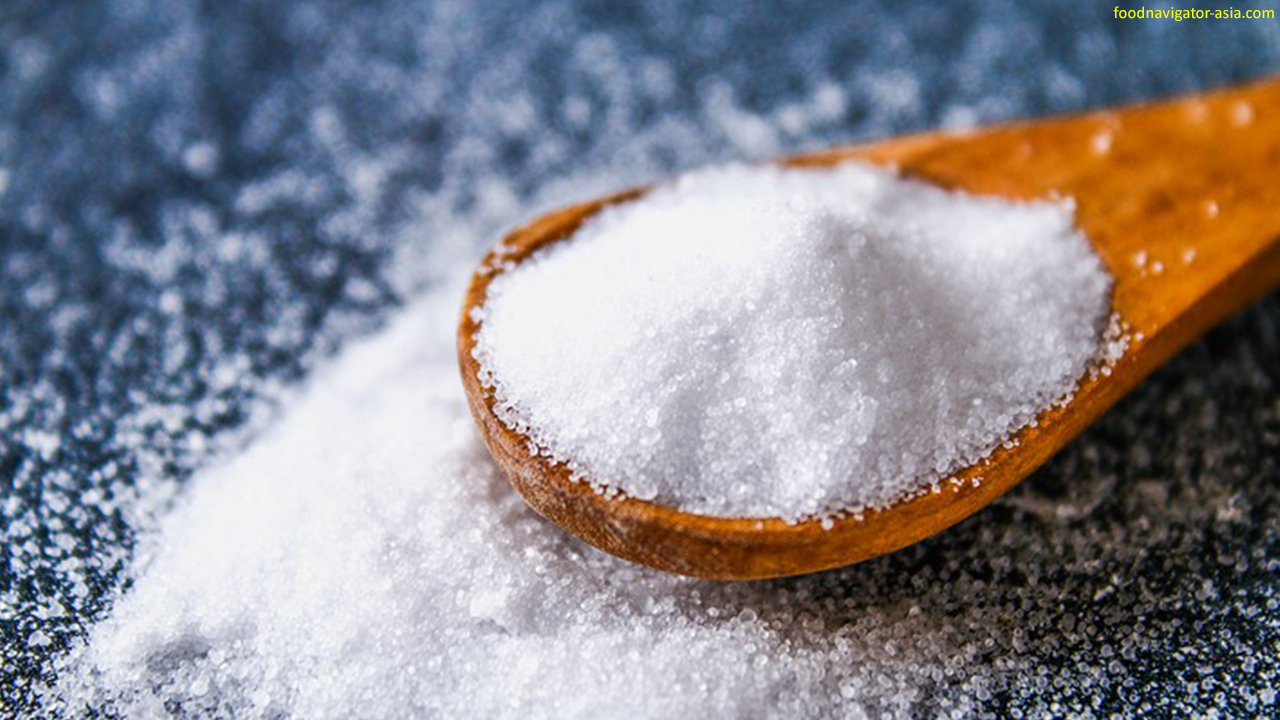
How much salt is good for you ?


Deprecated: strlen(): Passing null to parameter #1 ($string) of type string is deprecated in /home/medicircle/public_html/script_newsdetails.php on line 75
▴ salt
How much salt is good for you

As goes the proverb, ‘charity begins at home’, eating habit is consistent to maintenance of health. Small amendments to the regular diet can prevent chronic disease. one among them is controlled in intake of salts.

Scientific finding says that prime sodium consumption i.e greater than 2 grams each day that's like 5 gram of salt per day escalate blood glucose that causes heart condition and stroke, says the World Health Organisation (WHO)

The main source of sodium is salt and preserved food. Intake of but 5 grams (one level teaspoon) per day for adults lowers the vital sign and thus the danger of cardiovascular diseases, attack or stroke. WHO Member States have agreed to scale back the worldwide population’s intake of salt by a relative 30% by 2025

The rapid change in lifestyle is transforming diet patterns towards the consumption of processed foods with more salt.

Recommendations for salt reduction

• For adults: but 5 g (just under a teaspoon) of salt per day is very recommended for adults

• Iodized salts should only be consumed essentially for healthy brain development within the foetus and young child because of it optimises people’s mental function at large.

• Add less salt during the food preparation

• Avoid salt shaker on the table

• limit the consumption of salty snacks, pickles, sauces, Papad, chutneys, pizza, chips, bhujia etc

• Use freshly cooked foods with 4-5 servings of fruits and vegetables, as Potassium content in fruits and vegetables is sweet to regulate high vital sign. Adding unsalted nuts may be a good option.


Tags : #safe #salt #intake #good #medicircle

Related Stories

Loading Please wait...

-Advertisements-


Trending Now

Clinical Interventions in Chronic Hepatitis B and C: Antiviral Efficacy, Liver Fibrosis Scoring, and Monitoring August 11, 2026
Common Health Mistakes Indians Should Avoid: A Practical Guide to Everyday WellnessAugust 11, 2026
How to Build a Healthy Lifestyle After 40: A Practical Guide for Indian AdultsAugust 11, 2026
Milk Microbiome Could Hold New Clues to Lifelong Health, Experts SayAugust 10, 2026
Globally Renowned Dermatologist and Sesderma Founder Professor Dr. Gabriel Serrano to Visit India to Showcase Cutting-Edge Derma-Tech for Indian Skincare at Scientific Symposiums Hosted by Iberia PharmaceuticalsAugust 10, 2026
Sharda Hospital Celebrates World Breastfeeding Week with a Week-Long Awareness ProgrammeAugust 10, 2026
Swinburne University of Technology Opens Applications for Master of Engineering ScienceAugust 10, 2026
GLP-1 Receptor Agonists: A New Era in Weight Loss TreatmentAugust 10, 2026
Immunotherapy vs. Chemotherapy: Understanding the Mechanisms of Precision OncologyAugust 10, 2026
Mitigating Tech-Induced Ailments: Managing Screen Time, Sedentary Lifestyles, and Dry Eye SyndromeAugust 10, 2026
The Blueprint of Validation: Navigating Medical AI’s "Reckoning Year"August 10, 2026
The Future of Smart Hospitals: Redefining Healthcare Delivery in India August 10, 2026
Healthcare Data Security in India: Risks, Threats, and Best Practices for a Digital-First Health EcosystemAugust 10, 2026
The Science of Resilience: Psychological Strategies for Modern StressAugust 08, 2026
The Science of Fasting: 2026 Research on Autophagy and LongevityAugust 08, 2026
Early Markers of Insulin Resistance: Moving Beyond Fasting Blood SugarAugust 08, 2026
Healthcare Management Challenges in India: What Hospital Leaders Must Address NowAugust 08, 2026
Importance of Patient Safety: Why Every Hospital in India Must Prioritize ItAugust 08, 2026
Decoding Fatty Liver Disease: Symptoms, Reversibility, and the MASLD/NAFLD SpectrumAugust 07, 2026
Heart-Healthy Dietary Patterns: Translating Clinical Nutrition Guidelines into Daily MealsAugust 07, 2026